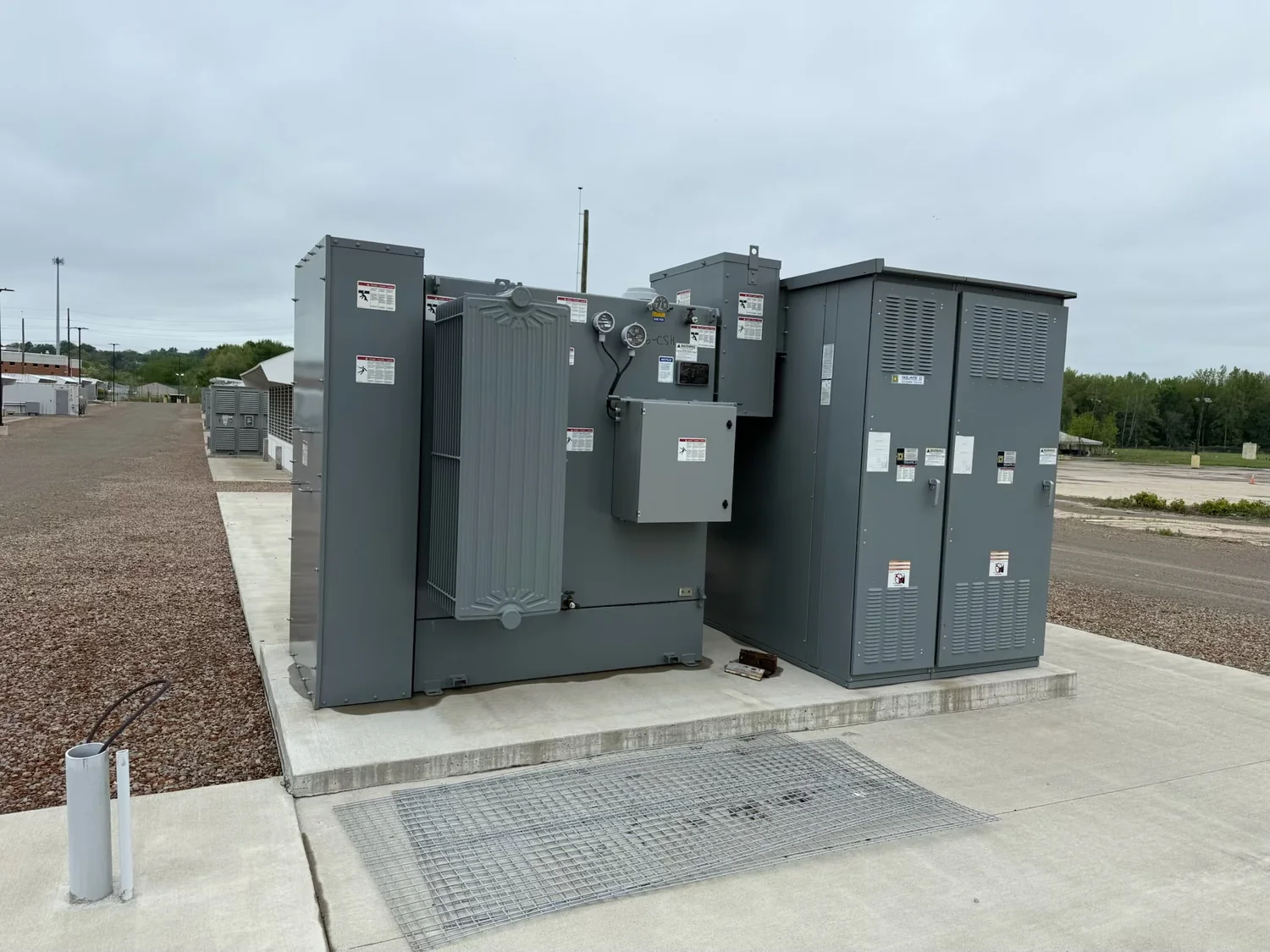
Hospital Campus Switchgear Decommissioning Buyer
When a hospital campus is decommissioning electrical infrastructure, switchgear disposition has to fit around a larger project: planned outages, replacement work, construction access, and the hospital’s operational and safety procedures. For facilities in Washington, DC, Northern Virginia, and Maryland, this guide explains how to prepare equipment information and coordinate a potential sale. The business described here buys switchgear; it does not sell equipment or provide electrical decommissioning services. It considers equipment across all voltage classes, and the seller is not required to test it before requesting an offer.
A purchase decision and removal plan depend on the actual equipment, its condition and completeness, ownership, and the practical conditions at the site. A preliminary review can help establish whether the assets merit an offer and what further details are needed. It is not a final price or a guarantee of purchase. Share clear records and discuss constraints before setting the project scope, schedule, and responsibilities.
Assemble an accurate equipment description
Start with clear photographs of each switchgear lineup and its visible sections, including both overall views and close-ups of available nameplates. Nameplate information can help identify the equipment and its stated ratings; provide legible images rather than relying on a typed description when possible. Do not infer or fill in missing manufacturer or voltage details. The buyer considers all voltage classes, but the specific equipment still needs to be reviewed before an offer can be made.
Include the lineup’s overall dimensions and, if known, the dimensions of individual sections or components that may need to pass through doors, corridors, elevators, loading areas, or other access points. Note the number of sections and what appears to remain with the lineup, such as associated cabinets or components. Describe known gaps, removed parts, damage, or other incompleteness candidly. Completeness and removal constraints can affect both the buyer’s review and the plan for handling the equipment.
If records are available, share drawings, equipment schedules, or other documentation that helps match the photos to the assets. These materials may clarify lineup configuration and project boundaries, but they do not replace a site-specific review. If the exact scope is uncertain, identify which equipment is included and which items are excluded rather than presenting adjacent or connected equipment as part of the sale by assumption.
Confirm ownership, authority, and site access
Before scope is set, explain who owns the switchgear and who is authorized to approve its sale and removal. Hospital campuses may involve different owners, operators, contractors, or project teams; the buyer will need a clear path to confirm that the seller has authority to offer the identified equipment. Provide the right project contact and clarify any internal review or approval steps that could affect timing. No particular ownership arrangement should be assumed from the fact that equipment is located at a hospital.
Describe where the lineup sits and how a removal crew and equipment could reach it. Relevant details may include the route from the equipment room to the loading point, door and corridor dimensions, stairs or elevators, floor level, available staging space, and the location and constraints of loading access. Share known restrictions on vehicle size, delivery windows, security check-in, escort requirements, work hours, or coordination with other campus activities. These are planning questions, not assumptions about any specific facility.
Also explain removal constraints such as adjacent construction, limited laydown space, restricted routes, or a requirement to coordinate with other trades. The buyer handles crane, rigging, disconnects, loading, freight, and hauling, subject to project arrangements and site access. Confirm the division of responsibilities before removal so the project team understands what the buyer will arrange and what access, approvals, or coordination the site must provide.
Plan safe removal around hospital operations
Switchgear must not be disconnected or handled by unqualified personnel. De-energization, isolation, and disconnect work must be performed by qualified personnel in accordance with the site’s safety requirements and outage procedures. The buyer’s role in handling disconnects is subject to the agreed project arrangements; the necessary work, qualified personnel, approvals, and sequence should be coordinated with the site before removal. Do not treat a purchase offer as authorization to work on energized equipment or to bypass facility procedures.
For a hospital campus, align the proposed removal window with the facility’s operational planning and the project’s approved outage schedule. The seller or site team should identify relevant timing limits and coordinate required access, escorts, and work approvals. The buyer and project contacts can then discuss how crane or rigging access, loading, freight, and hauling fit the agreed window. Exact timing depends on the scope, site conditions, and arrangements made for the project; it should not be assumed from an initial equipment review.
No seller testing is required to request consideration. Provide existing information about condition and completeness, and disclose whether the equipment is disconnected, awaiting work by the site’s qualified personnel, or subject to other project constraints. Do not arrange testing or disconnection solely on the assumption that it is a condition of receiving an offer; first confirm what information is needed and how any site work will be handled.
Request an offer and confirm the removal arrangement
A useful initial submission includes clear equipment photos, readable nameplates, lineup dimensions, a description of completeness, ownership and approval details, and an explanation of access and removal constraints. Include the project’s anticipated timing and the contact responsible for coordinating site access. If some information is unavailable, say so; the buyer can review what is provided and identify what else may be needed. A preliminary conversation cannot establish a final price without review of the specific assets and project conditions.
The buyer can make a cash offer. If the offer is accepted, payment is arranged upfront. The buyer pays the crane, rigging, loading, freight, and hauling costs, with responsibilities and project arrangements confirmed before removal. That does not eliminate the need to coordinate site access, qualified disconnect work, safety procedures, timing, and any required approvals. Agree on scope and logistics before scheduling the work, and do not assume that an offer covers equipment or services outside the assets and arrangements reviewed.
For sellers across Washington, DC, Northern Virginia, and Maryland, the most practical first step is to send the asset information and discuss site conditions early. Clear records and realistic access details help the parties assess whether an offer is appropriate and whether removal can be coordinated with the decommissioning plan. Every campus and project is different, so the offer, schedule, and removal scope remain subject to review and agreed arrangements.