Switchgear Payment Coordination Guide
Selling switchgear involves more than agreeing on a number. Payment timing, equipment ownership, outage planning, removal responsibilities, and access all need to be coordinated before a lineup can leave a facility. This guide is for businesses in Washington, DC, Northern Virginia, and Maryland that want to understand how payment can fit into a practical switchgear disposition plan.
The buyer purchases equipment only; it does not sell switchgear. Sellers can request a cash offer, and when an offer is accepted, payment is arranged upfront. The buyer does not require the seller to test the equipment. An offer is not a final price until the equipment details, scope, and project conditions have been reviewed. All voltage classes are considered, but the specific equipment and removal plan still need to be assessed.
What to Share Before an Offer Is Set
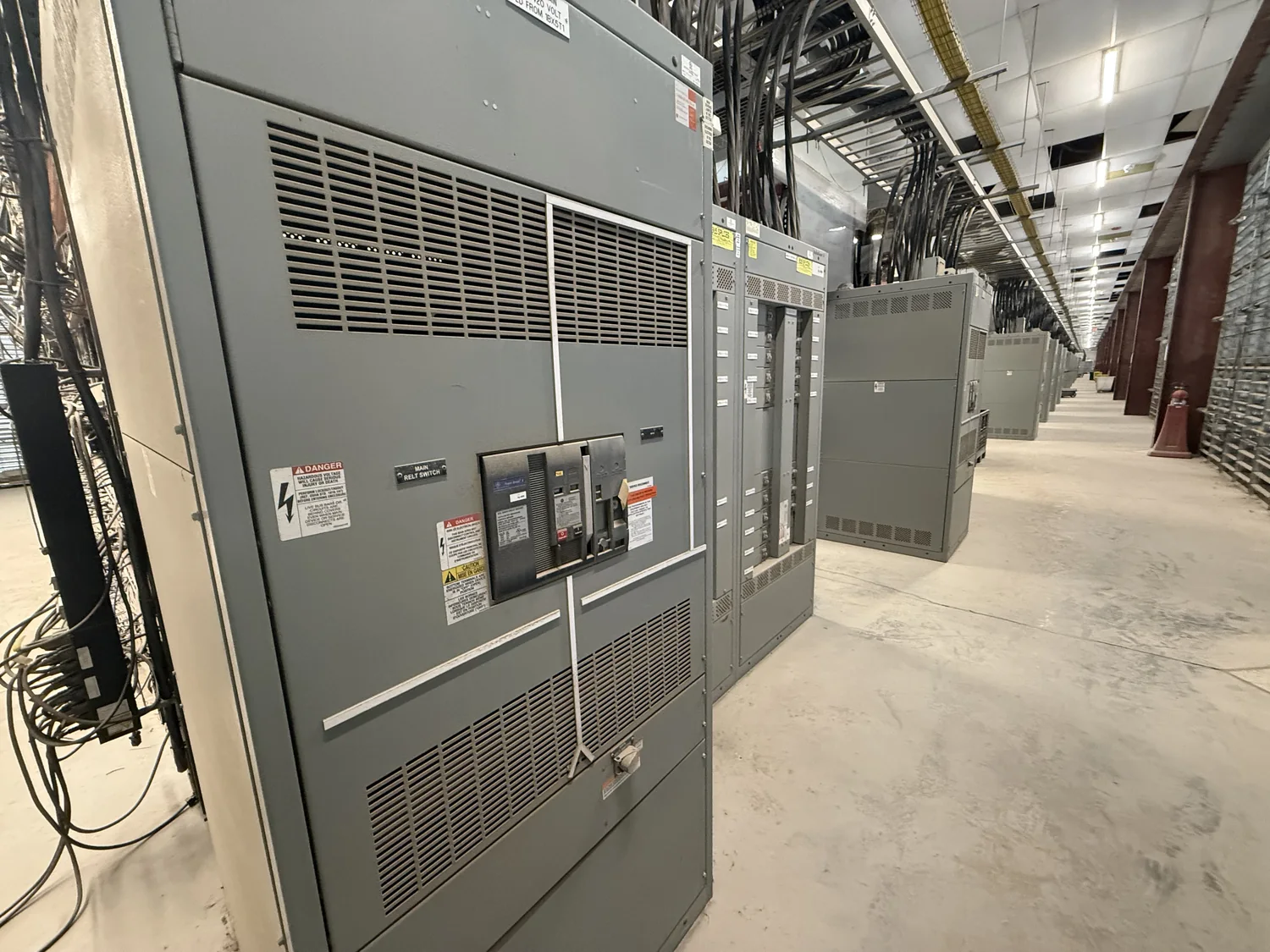
Start with clear photographs of the switchgear, including the overall lineup, individual sections, doors, visible damage, and any loose or separate components that are part of the equipment being offered. Include readable nameplate photos where available. These can help identify the equipment and its stated ratings without relying on assumptions from appearance alone. Do not remove covers or enter restricted areas to obtain photographs; follow the facility’s access and safety rules.
Provide the lineup’s approximate overall dimensions, including height, width, and depth, and note the number of sections if known. Ratings and configuration details shown on nameplates may help the buyer understand what is being reviewed. Also explain whether breakers, relays, metering, bus components, accessories, or other parts are included, missing, stored separately, or intended to remain on site. Completeness can affect both the equipment assessment and the removal scope. No seller testing is required, and sellers should not energize equipment or perform inspections that conflict with site procedures.
Confirm who owns the equipment and who has authority to approve its sale and removal. If ownership, lease terms, liens, or other restrictions may affect disposition, clarify those before scheduling. Share the facility location at the level needed for planning, the site contact, relevant access rules, and any known limits on delivery vehicles, staging, working hours, or equipment movement. These details help establish a realistic scope; they do not by themselves guarantee an offer or a particular payment amount.
Coordinate Payment and Removal as One Scope
Payment and removal should be discussed together so both parties understand what happens after an offer is accepted. Payment is arranged upfront upon acceptance, with the payment method, recipient, timing, and any required transaction documentation confirmed for the project. The final offer depends on review of the equipment and the agreed scope. Do not rely on a general estimate as a final price before that review is complete.
The buyer handles crane, rigging, disconnects, loading, freight, and hauling, subject to project arrangements and site access. Confirm these responsibilities before removal, including which equipment is included, how it will be moved, where vehicles or lifting equipment can stage, and whether the site imposes scheduling or access requirements. The buyer’s responsibility for these logistics does not remove the need to coordinate the work with the facility’s authorized personnel or to resolve access constraints in advance.
For a DC-region facility, practical planning can depend on the particular building and site: loading-area availability, routes from the equipment room, elevator or doorway clearances, restricted access windows, traffic or curb constraints, and coordination with facility operations may all matter. These conditions vary by project, so share known requirements rather than assuming a standard approach. Confirm the planned work window and access arrangements with the buyer and site contact before committing to a removal date.
Plan Safe Disconnection and Site Access
Switchgear must be de-energized, isolated, and disconnected by qualified personnel under the facility’s safety, outage, and authorization procedures. Do not ask unqualified staff to disconnect, move, or handle electrical equipment. The buyer can coordinate disconnect logistics as part of the project, but the timing, boundaries of work, and required site approvals must be established with the facility before removal. The applicable outage plan and site controls remain essential to scheduling.
Discuss how the buyer and site personnel will coordinate the disconnect, when the equipment will be available for removal, and what conditions must be met before work can begin. Identify access routes and any removal constraints such as narrow doors, stairs, low clearances, overhead obstructions, limited staging, restricted loading areas, or nearby equipment that must remain in place. If the lineup is installed in a tight or active area, photos and measurements of the route—not just the equipment—can help clarify the plan.
Share whether equipment is anchored, connected to adjacent sections, integrated with other assemblies, or positioned where removal could affect nearby assets. Do not assume that every section can be removed independently. The removal plan should reflect the actual configuration and site conditions, with qualified personnel and authorized facility contacts addressing work boundaries and safety requirements.
A Practical Checklist Before Scheduling
Before the scope is set, gather clear equipment photos, readable nameplates, approximate lineup dimensions, available ratings and configuration information, and a list of included or missing components. Confirm ownership and the seller’s authority to approve the transaction. Describe site access, route dimensions, staging options, work-hour restrictions, outage timing, and any known crane, rigging, loading, or hauling constraints. This information supports a more informed review without requiring the seller to test the equipment.
Before removal, confirm the accepted offer and upfront payment arrangements, the equipment included in the transaction, and the buyer’s responsibility for crane, rigging, disconnects, loading, freight, and hauling. Agree on project timing and access arrangements, and ensure that de-energization, isolation, and disconnect work are coordinated through qualified personnel under site procedures. If details change—such as the equipment scope, access route, or available work window—raise them before the scheduled removal so the parties can review the impact.
A clear, project-specific plan helps avoid mismatched expectations about payment and logistics. Sellers across Washington, DC, Northern Virginia, and Maryland can begin by providing the equipment and site information available to them. The buyer can then review the switchgear and proposed arrangements, make an offer for consideration, and confirm responsibilities and timing before work is scheduled. No general guide can establish a final price or promise a removal date without that review.