Switchgear Seller Intake Guide for the Washington, DC Region
If your organization is considering the sale of switchgear in Washington, DC, Northern Virginia, or Maryland, a clear intake package is the best place to start. The buyer purchases equipment only; it does not sell switchgear. It considers all voltage classes, and the seller is not required to test equipment before submitting it for review. A cash offer may be made after the available information has been assessed, and payment is arranged upfront if the offer is accepted.
Intake is a review, not a commitment to purchase at a predetermined price. The equipment’s configuration, apparent condition, completeness, ownership, removal requirements, and project logistics can all affect whether an offer is appropriate. Providing useful details early can help establish what is being considered and what additional questions need to be resolved before scope, timing, and removal responsibilities are set. No final price should be assumed until the equipment and project details have been reviewed.
What to Send for an Initial Review
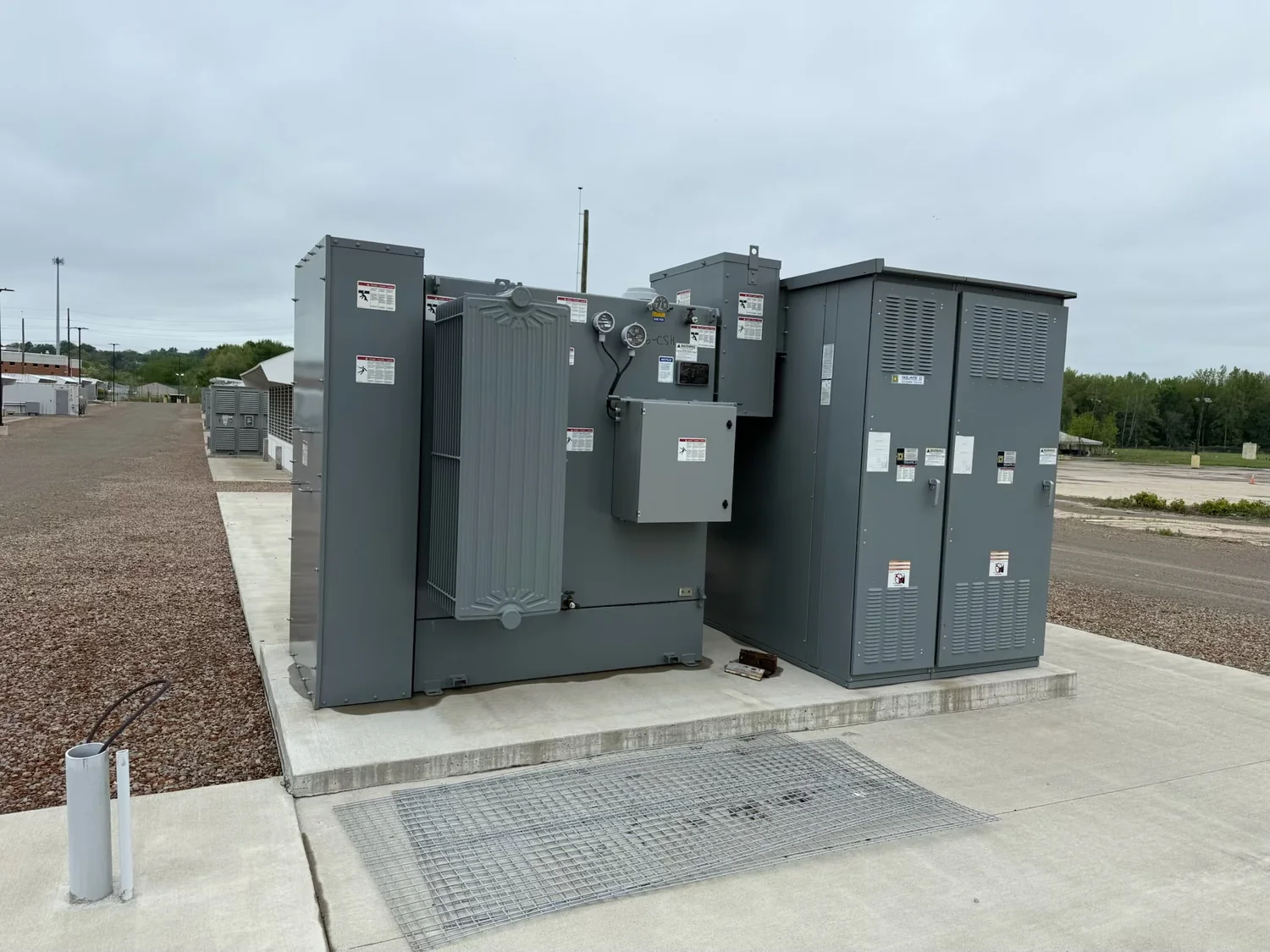
Start with clear photographs of the complete lineup and its surroundings. Where practical, include wide views showing how the sections are arranged and close views of visible equipment identification and condition. Photographs of nameplates are especially useful when they are legible and taken without opening or accessing energized equipment. Do not remove covers or approach exposed electrical parts to obtain a picture; follow the facility’s safety rules and use qualified personnel when access requires it.
Include the lineup’s approximate overall dimensions—height, width, and depth—and the number of sections, if known. Nameplate information and other available records can help identify ratings and configuration, but do not guess at unreadable details. Share any existing inventories, drawings, or documentation that accurately relate to the equipment. If records are unavailable, say so; the seller does not need to conduct testing simply to submit the switchgear for consideration.
Describe what appears to be included. For example, note whether the offer would cover the full lineup or only identified sections, and whether associated components, accessories, or loose parts are included. Mention anything visibly missing, damaged, modified, or separated from the lineup. These details help prevent mismatches between the equipment reviewed and the equipment later made available for removal.
Ownership, Site Access, and Removal Constraints
Confirm that the person or organization submitting the equipment has authority to sell it, or explain who must approve the transaction. If ownership, liens, landlord approval, tenant approval, or another party’s authorization is still being resolved, disclose that before scheduling removal. The buyer should not be expected to proceed until the seller’s authority to transfer the equipment is clear.
For sites in the DC region, access and scheduling can be as important as the equipment description. Share the site location, available access windows, relevant building or facility rules, loading-area constraints, and any known restrictions on vehicle access, staging, elevator use, or movement through the building. Do not assume that a location’s access conditions are standard. The project team needs to review the actual site and coordinate timing with the people responsible for the facility.
Explain how the switchgear is installed and what may constrain its removal. Useful details include whether it is indoors or outdoors, the route from its current position to the loading point, overhead or doorway clearances, stairs or ramps, narrow turns, floor or platform limitations, and whether a crane or other lifting equipment may be needed. Photos of the route and loading area can help identify questions, but they do not replace a site-specific review where one is needed. Access, equipment condition, removal method, and timing should be confirmed before work is scheduled.
Electrical Safety and Project Coordination
Any de-energization, isolation, and disconnect work must be performed by qualified personnel under the facility’s applicable safety and outage procedures. Do not ask unqualified staff to disconnect, open, move, or handle switchgear. The seller and buyer should coordinate the required outage window, responsible site personnel, and readiness of the equipment before removal. The buyer’s review or offer does not substitute for the site’s electrical-safety controls.
Clarify whether the switchgear is still connected, whether it has already been made available for removal, and who is responsible for arranging the qualified personnel needed to de-energize, isolate, and disconnect it. The exact sequence depends on the site and project, so responsibilities and timing should be agreed before a crew or lifting equipment is dispatched. If facility procedures require advance approvals or notice, allow time for those steps when discussing a target schedule.
Completeness also affects removal planning. Tell the buyer whether doors, panels, internal components, bus connections, or other parts have been removed or altered, to the extent known and safely observable. Avoid presenting an assumption as a verified fact. If the condition or configuration is uncertain, identify it as uncertain so the review can account for it rather than relying on an incomplete description.
Offer, Payment, and Buyer-Managed Logistics
After reviewing the information, the buyer may make a cash offer. The offer is subject to review of the equipment and the agreed project scope; submitting photos or requesting a review does not guarantee an offer or establish a final price. If the seller accepts an offer, payment is arranged upfront. The parties should confirm the accepted scope, payment arrangements, schedule, and any required approvals before removal begins.
The buyer handles the crane, rigging, disconnects, loading, freight, and hauling, subject to project arrangements and site access. Those responsibilities should be confirmed for the specific transaction, including how qualified electrical personnel and the facility’s outage procedures will be coordinated. The seller should describe site rules and constraints accurately so the removal plan can be checked against the actual conditions. No one should treat buyer-managed logistics as permission to bypass facility controls or proceed without proper access.
A concise intake email can include the site location, clear equipment and nameplate photos, lineup dimensions, available ratings or documentation, a description of what is included, ownership or approval status, and access, scheduling, and removal constraints. Add a contact who can answer questions and coordinate with the facility. With those details in hand, the buyer can assess whether the opportunity fits the proposed scope and discuss next steps without requiring the seller to test the equipment.