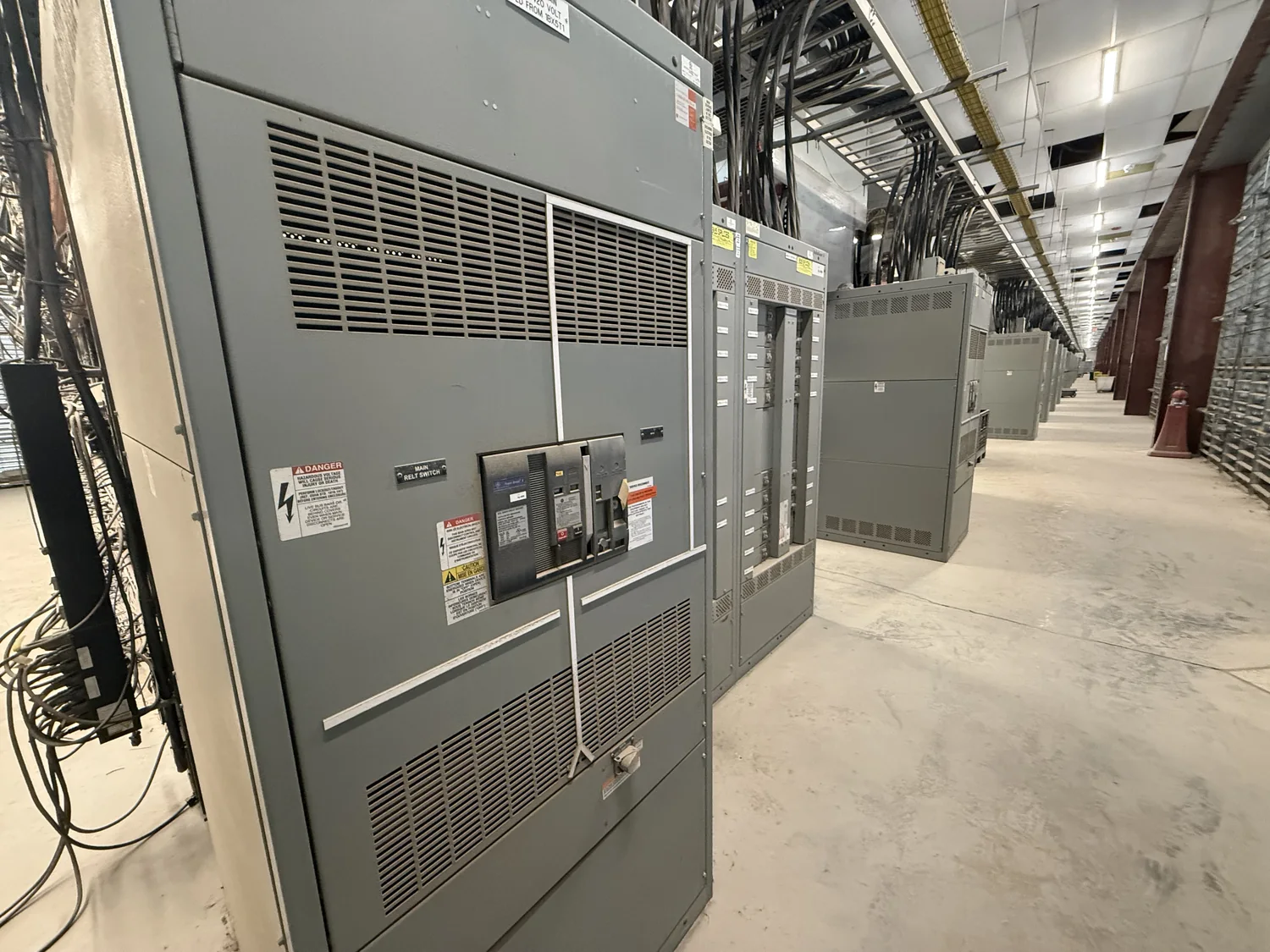
Sell Used Motor Starters in the Washington, DC Region
If your organization is considering selling used motor starters, start with a clear picture of what is installed, what is included, and what the site can support during removal. We buy used motor starters from commercial, institutional, and industrial sellers across Washington, DC, Northern Virginia, and Maryland. We are a buyer, not a reseller offering equipment for sale. We can make a cash offer after reviewing the equipment and project details; if you accept, payment is arranged upfront, with timing and method confirmed before removal.
There is no seller-required testing process. We consider motor starters across all voltage classes, but that does not mean every unit or project will receive the same offer. Condition, identification, completeness, quantity, removal effort, and logistics can all affect whether the equipment is a fit and how it is valued. A preliminary review is not a final price or a guarantee of purchase. We need enough information to understand the actual equipment and the work involved before setting scope.
Prepare an Accurate Equipment Description
Begin by gathering legible nameplate photos and clear views of each starter or lineup. Include the manufacturer and model information visible on the plates, ratings, catalog or serial numbers where present, and any other identifying markings. Do not guess at a rating or fill in details that cannot be read; a close, well-lit photograph is more useful than an uncertain description. If the installation contains multiple units, label photos or provide a simple list so that each item can be matched to its location and nameplate.
Photograph the front, sides, interior areas that are safely visible, and the overall lineup. Note whether the equipment is a standalone starter, part of a lineup, or integrated with other control equipment. Describe what appears to be included, such as enclosures, sections, doors, covers, or associated components, and identify anything that is missing, damaged, modified, or being retained. Do not open energized equipment or remove covers to take pictures. Any inspection requiring access to electrical interiors must follow the site’s safety procedures and be performed by qualified personnel.
Provide approximate dimensions for individual sections and the full lineup, including height, width, and depth where practical. Also share the number of sections, how the equipment is mounted, and whether it is on a floor, platform, or in a confined electrical room. Dimensions help determine whether the equipment can pass through doors, corridors, loading areas, and other parts of the removal route. If precise measurements are not available, estimates and wide-angle photos can help begin the review, but final scope may require confirmation.
Confirm Ownership, Completeness, and Site Access
Before requesting an offer, confirm that your organization owns the equipment or has authority to sell it. If the motor starters are part of a larger asset-disposition process, identify the responsible contact and any internal approval steps that could affect the schedule. Tell us whether the equipment is available for removal as a complete lineup, as selected sections, or only with other assets. Make clear which parts are included and which must remain in place. This avoids misunderstandings about the purchase scope and the work area.
Access is a project-specific issue, especially at active commercial, institutional, and industrial sites in the DC region. Explain where the equipment is located, the likely route from its installed position to the loading point, and any known limits involving doors, stairs, elevators, ramps, overhead clearance, turning space, or staging. Note relevant site rules, access windows, security or check-in requirements, loading-dock arrangements, and restrictions on vehicle size or work hours. These details are not assumptions about your facility; they are questions to resolve with the people who control the site.
Share the contact responsible for coordinating access and the person who can confirm the removal area is ready. If other contractors, building operations staff, or an outage coordinator are involved, include their scheduling requirements early. Removal timing depends on the equipment, site access, readiness, and agreed project plan. A photo review can help identify questions, but it cannot replace coordination with the site team or a review of the actual removal conditions.
Plan Qualified Disconnection and Removal
The buyer handles crane, rigging, disconnects, loading, freight, and hauling, subject to project arrangements and site access. The buyer pays the crane, rigging, loading, freight, and hauling costs, with responsibilities and scope confirmed before removal. The exact method and equipment needed depend on the starter lineup’s size, weight, configuration, location, and route out of the building. Before the work is scheduled, confirm who is providing each removal activity, what areas must be made available, and how the equipment will be transferred from its installed position to the transport vehicle.
Electrical de-energization, isolation, and disconnection must be performed by qualified personnel under the site’s safety procedures. Sellers should not disconnect, move, or handle electrical equipment unless they are qualified and authorized to do so. Coordinate the required outage, isolation, verification, and release of the work area through the facility’s established process. The timing of disconnect work and physical removal should be agreed with the appropriate site representatives; an accepted offer does not override operating requirements or safety controls.
For a workable removal plan, share any known constraints that could affect lifting or movement, such as limited overhead clearance, narrow access, nearby equipment, restricted staging, or a need to protect occupied areas. If rigging or a crane may be needed, access and setup conditions must be reviewed for the specific site. No single removal plan should be assumed from a nameplate or photograph alone. The project scope should set out responsibilities and coordination before equipment is taken out.
Request a Review and Agree the Scope
To begin, send clear nameplate and equipment photos, the lineup dimensions, a description of completeness and condition, and the quantity available. Include the equipment’s location within the site, ownership or selling authority, access details, preferred timing, and any known removal constraints. If more than one starter is involved, identify each unit or section and note whether all items are being offered together. These details help us assess the equipment and identify practical questions before an offer is prepared.
After review, we can discuss whether the equipment is a fit and make a cash offer when the available information supports one. A final offer requires review of the actual items and the project conditions; it should not be inferred from a general description or treated as guaranteed. If you accept, payment is arranged upfront, and the parties confirm payment timing and method along with the purchase scope before removal. No testing is required from the seller.
Before scheduling work, confirm the included equipment, any exclusions, the agreed payment arrangements, site access and timing, and the removal responsibilities. The buyer handles the crane, rigging, disconnects, loading, freight, and hauling under the project arrangements, while qualified personnel and the facility’s procedures govern electrical work. Clear information at the outset supports a practical review and helps the seller, buyer, and site team coordinate a responsible equipment disposition across Washington, DC, Northern Virginia, or Maryland.