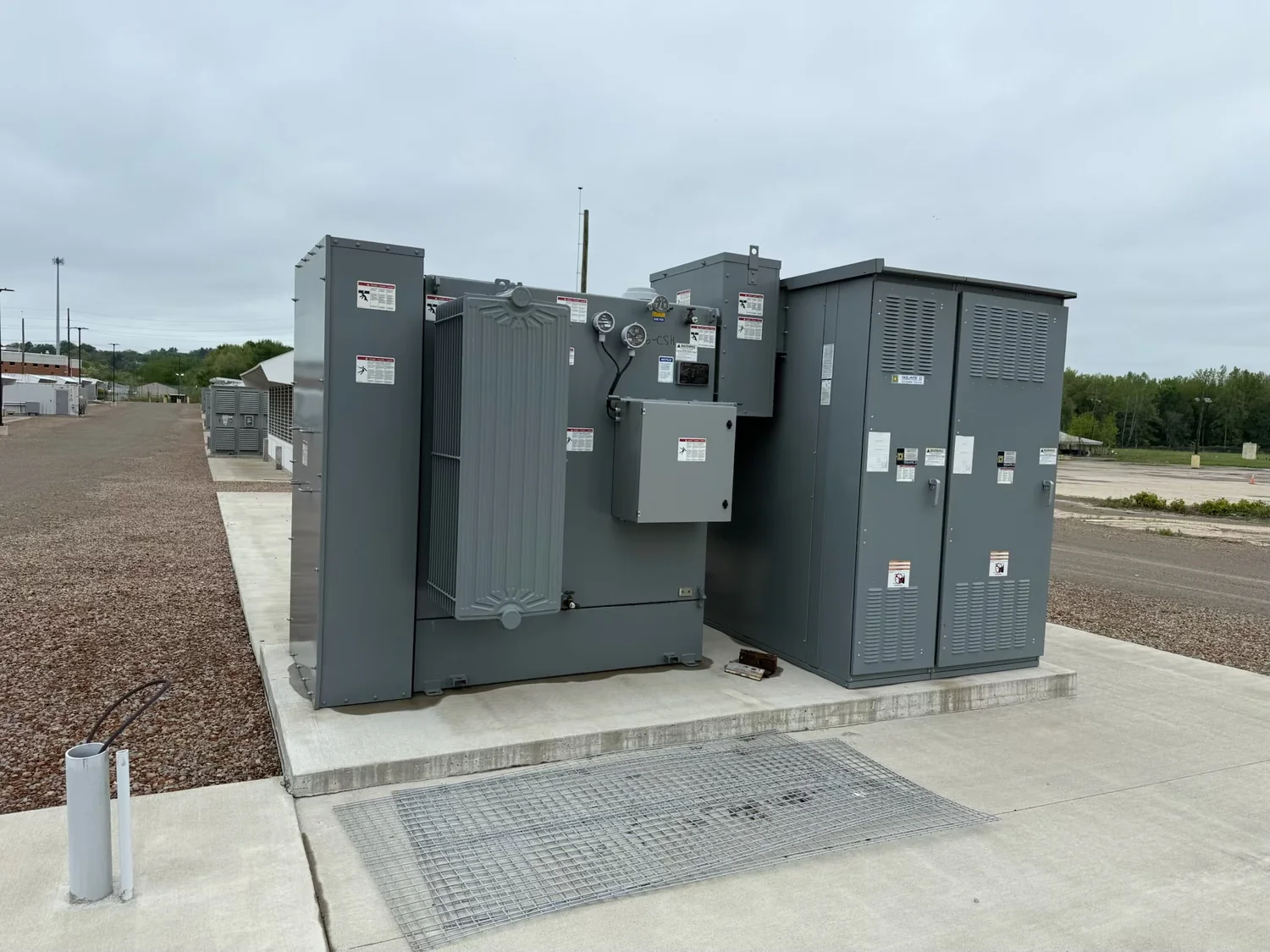
Sell Surplus Switchgear in Harford County, Maryland
Surplus switchgear can become a significant closeout item when a facility is changing its electrical infrastructure, clearing space, or winding down a project. For owners and facility teams in Harford County, the challenge is often coordinating the equipment’s release with the work that still needs to happen around it. A practical sale process begins with a clear inventory, a review of ownership and site conditions, and a removal plan that fits the facility’s schedule.
We buy surplus switchgear; we do not sell equipment. We consider equipment across all voltage classes, and a seller does not need to test it before asking us to review it. We can make a cash offer after reviewing the available information, but any offer depends on the specific equipment and removal scope. There is no responsible way to set a final price from a general description alone. When an offer is accepted, payment is arranged upfront, with the timing and release steps coordinated before removal.
Prepare the equipment information before setting scope
Start with clear, well-lit photographs of the switchgear lineup, including the front, sides, rear where accessible, and any visible sections or accessories that may be included. Close-up photos of each nameplate help identify the equipment for review. Capture labels and markings without removing covers or entering restricted areas. If a nameplate is obscured, damaged, or missing, note that rather than trying to alter or reconstruct the information.
Provide the lineup’s overall dimensions, including approximate height, width, and depth, and note how many sections are included. If available, share the equipment’s stated ratings and configuration as shown on the nameplates or existing records; do not guess at specifications. Tell us whether the lineup appears complete or whether breakers, doors, relays, bus components, or other parts are missing or have been removed. Completeness and condition can affect review and the planned handling, but no seller testing is required.
Ownership and release authority matter as much as equipment details. Confirm that the person arranging the sale is authorized to release the switchgear and identify any owner, landlord, lender, contractor, or other party whose approval is needed. Include the Harford County site’s access conditions, proposed release date, loading-area details, and any restrictions on vehicle entry, working hours, staging, or removal. These details let the scope be discussed before a crew or equipment is scheduled.
Plan removal around operations and closeout milestones
A facility closeout may involve several activities that cannot happen at once: electrical work, demolition or construction, inventory reconciliation, access control, and final building turnover. Treat switchgear disposition as a scheduled workstream rather than a last-minute pickup. Identify the date by which the equipment must be released, the earliest practical removal window, and any milestones that depend on keeping the lineup or surrounding area in place. Share those dates early so the offer review, payment arrangement, site preparation, and loading plan can be coordinated.
The exact route from the lineup to the loading point affects what removal can be planned. Describe doors, corridors, stairs, overhead clearances, floor transitions, exterior access, and the distance to the truck or staging area. Note whether equipment is installed in a tight electrical room, whether other assets or building work limit maneuvering, and whether the loading area has restrictions. Photos of the route and loading location can be useful. If measurements are uncertain, flag them for confirmation rather than assuming a lineup will pass through an opening.
Access and timing must be agreed for the particular project. A removal window may depend on building access, site rules, contractor sequencing, approved work hours, and the availability of qualified electrical personnel. Coordinate those requirements with the people responsible for the facility and the applicable safety and outage procedures. Do not plan removal on the assumption that a buyer’s crew can work around energized equipment or bypass site controls.
Coordinate safe electrical isolation and equipment release
Disconnects and any de-energization or isolation must be handled by qualified personnel under the site’s safety and outage procedures. The seller should not ask unqualified staff to open, disconnect, move, or handle electrical equipment. Before a removal date is confirmed, the project team should establish who is responsible for electrical work, what approvals and outage coordination apply, and when the equipment will be cleared for loading. The buyer’s role in removal logistics does not replace the facility’s responsibility to control electrical hazards or authorize access.
Clarify whether the switchgear is being released as a complete lineup or in defined sections, what components are included, and whether any parts must remain at the site. Point out nearby equipment, structural limits, overhead services, or other conditions that may constrain lifting and movement. If removal involves cutting, dismantling, or a restricted path, disclose that during scope review; do not make assumptions about what can be taken apart or how it will be lifted. These practical details help avoid mismatched expectations on the scheduled date.
Confirm that the equipment is accessible in the condition and location described, and that the facility can provide the agreed entry and loading access. If site conditions, equipment contents, or the intended release scope change, communicate the change before removal. Revised information may affect the offer, schedule, or logistics, so the parties should reconfirm the plan rather than rely on an earlier assumption.
Confirm payment, responsibilities, and loading before removal
The buyer handles the crane, rigging, disconnects, loading, freight, and hauling, subject to the project arrangements, site access, and agreed scope. Responsibilities and timing should be confirmed before removal, including any site-specific coordination needed for qualified personnel to perform disconnect work. The owner should identify the access and release conditions the site can provide; the buyer should review the equipment and removal information before committing to a particular logistics plan. This division is intended to make the arrangement clear, not to imply that every site has the same lifting or access requirements.
After reviewing the equipment details and project conditions, we can make a cash offer for consideration. There is no guaranteed value or final price until the equipment and scope have been reviewed. If the offer is accepted, payment is arranged upfront before the agreed removal proceeds. Confirm the payment timing, who is authorized to accept the offer, what assets are included, and how release will be documented. Align these steps with the facility’s closeout process so payment, asset release, and loading do not conflict with ongoing operations or turnover requirements.
For a Harford County inquiry, a useful first submission includes clear equipment and nameplate photos, lineup dimensions, available ratings and configuration information, a list of included or missing components, ownership and release details, site access and loading information, and the preferred schedule. You do not need to test the switchgear to request a review. With those facts in hand, the parties can discuss the equipment, prepare a project-specific offer, and coordinate removal around the facility’s approved safety procedures and closeout timeline.