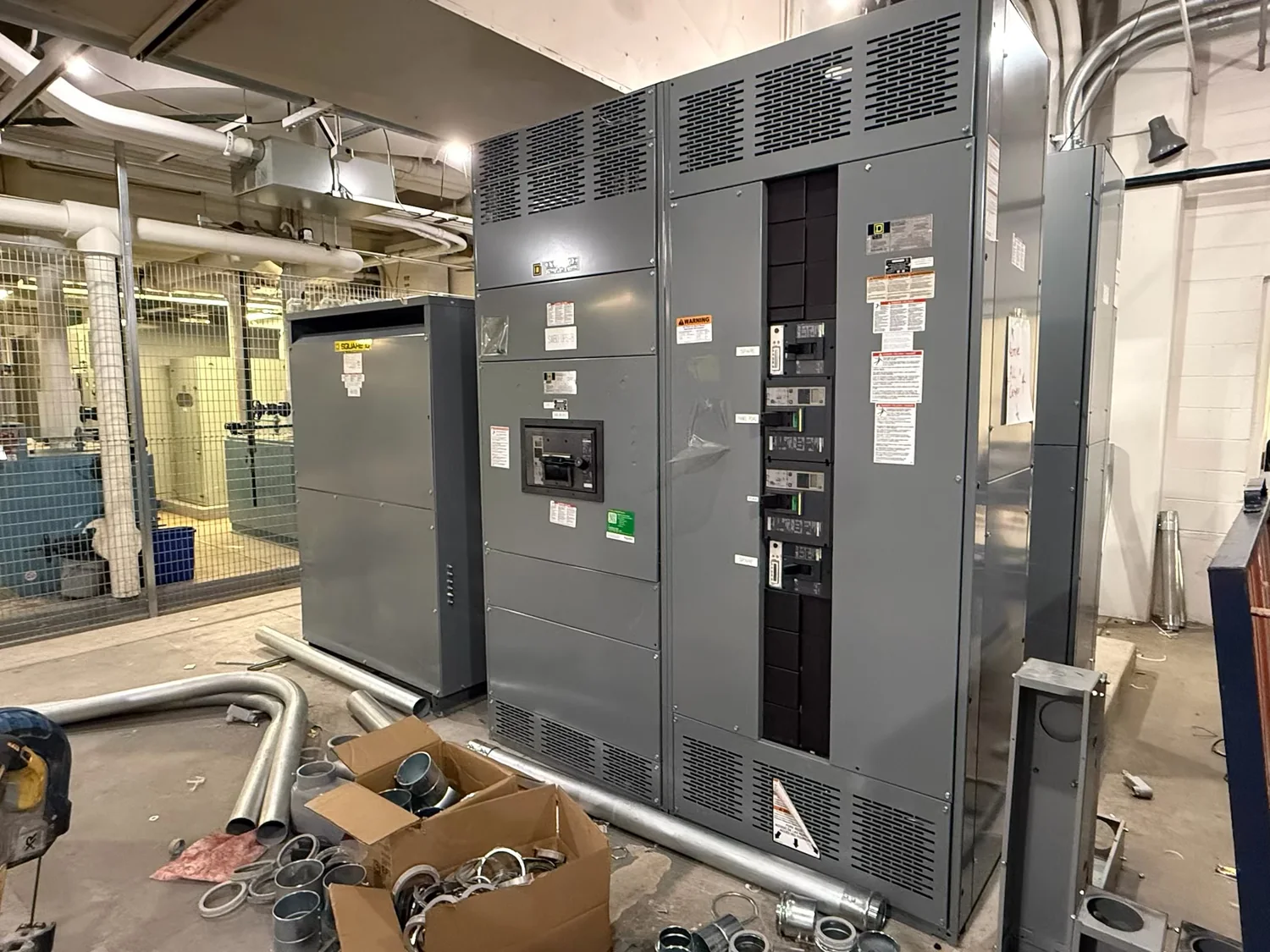
We Buy Used Switchgear in Sterling, Virginia
If your facility in Sterling, Virginia, has used switchgear to disposition, we can review it for a purchase. We buy electrical equipment; we do not sell it. We consider switchgear across all voltage classes, including large lineups, and can make a cash offer after reviewing the equipment and the project details. The seller does not need to test the gear before requesting a review.
A useful first step is to share clear photos, readable nameplates, and the overall lineup dimensions. Include pictures of the front and rear where safely accessible, the lineup ends, visible compartments, and any separate sections or accessories. These details help us understand what is present and what may need to be coordinated. Photos are for review only; they do not replace a site assessment when one is needed, and they do not guarantee an offer or final price.
Information to Share Before Scope Is Set
For a practical review, send the equipment location in Sterling, the approximate lineup length, height, and depth, and any known ratings or configuration details shown on the nameplates. If labels are damaged or difficult to read, say so rather than guessing. Note whether the lineup appears complete, whether sections or components are missing, and whether related items are included. Completeness and condition can affect whether the equipment is suitable for purchase and how removal should be planned.
Please also confirm that you own the switchgear or are authorized to arrange its sale. If ownership involves a landlord, tenant, lender, utility, or another party, clarify who can approve disposition and sign the necessary paperwork. Share the site contact and any limits on photography, access, work hours, deliveries, staging, or movement through the building. The buyer can evaluate the information provided and follow up with questions before defining the project scope.
Large Lineups Need a Removal Plan
A large switchgear lineup is not simply a collection of cabinets to move at the end of a sale. Its size, weight, arrangement, route out of the building, and available loading area can shape the removal plan. Helpful details include door and corridor clearances, turns, thresholds, floor or loading-dock conditions, elevator restrictions, overhead obstructions, and the distance from the equipment to the loading point. Share known limits on truck positioning, staging, crane access, or permitted work windows; do not estimate a lift or attempt to move equipment to demonstrate access.
Project arrangements determine the specific removal method. Before scope is set, the site team and buyer should discuss how the lineup can be accessed, where equipment may be staged, how loading can occur, and what timing is available. The buyer handles crane, rigging, loading, freight, and hauling, subject to project arrangements and site access. Responsibilities and the practical removal plan should be confirmed before removal begins. The site team’s role is to communicate constraints and coordinate access—not to perform a lift.
Coordinate Safety, Disconnects, and Scheduling
Any de-energization, isolation, and disconnect work must be performed by qualified personnel under the facility’s safety rules and outage procedures. Do not ask unqualified staff to disconnect, open, handle, or prepare switchgear for removal. The facility’s responsible personnel should establish the required safe-work conditions and coordinate the timing of any outage, isolation, and disconnect work with the buyer’s removal schedule.
Sterling projects may involve site-specific access controls, operating schedules, loading arrangements, and coordination with building or facility teams. Share those requirements early, including check-in procedures, escort needs, restricted areas, delivery windows, and any limits on when work can take place. Timing depends on the equipment review, approvals, site readiness, access, and the agreed project plan; removal should not be scheduled on an assumption that the equipment is ready or that an outage is available.
Offer and Payment Process
Once we have reviewed the available equipment information and discussed the site and removal requirements, we can determine whether to make an offer. A final price cannot be set responsibly from the location or a brief description alone. Nameplate details, lineup dimensions, visible completeness, ownership authority, access, removal constraints, and the scope agreed for the project can all inform the review. If key information is unavailable, explain what is unknown so the next steps can be discussed rather than inferred.
We can make a cash offer, and payment is arranged upfront when an offer is accepted. The buyer pays the crane, rigging, loading, freight, and hauling costs, with responsibilities confirmed before removal. The seller is not expected to test the switchgear to request consideration. To begin, send clear equipment photos, nameplate images, lineup dimensions, ownership and access details, plus any known timing or removal restrictions. That information gives both sides a practical basis for reviewing the equipment and planning a suitable next step in Sterling, Virginia.