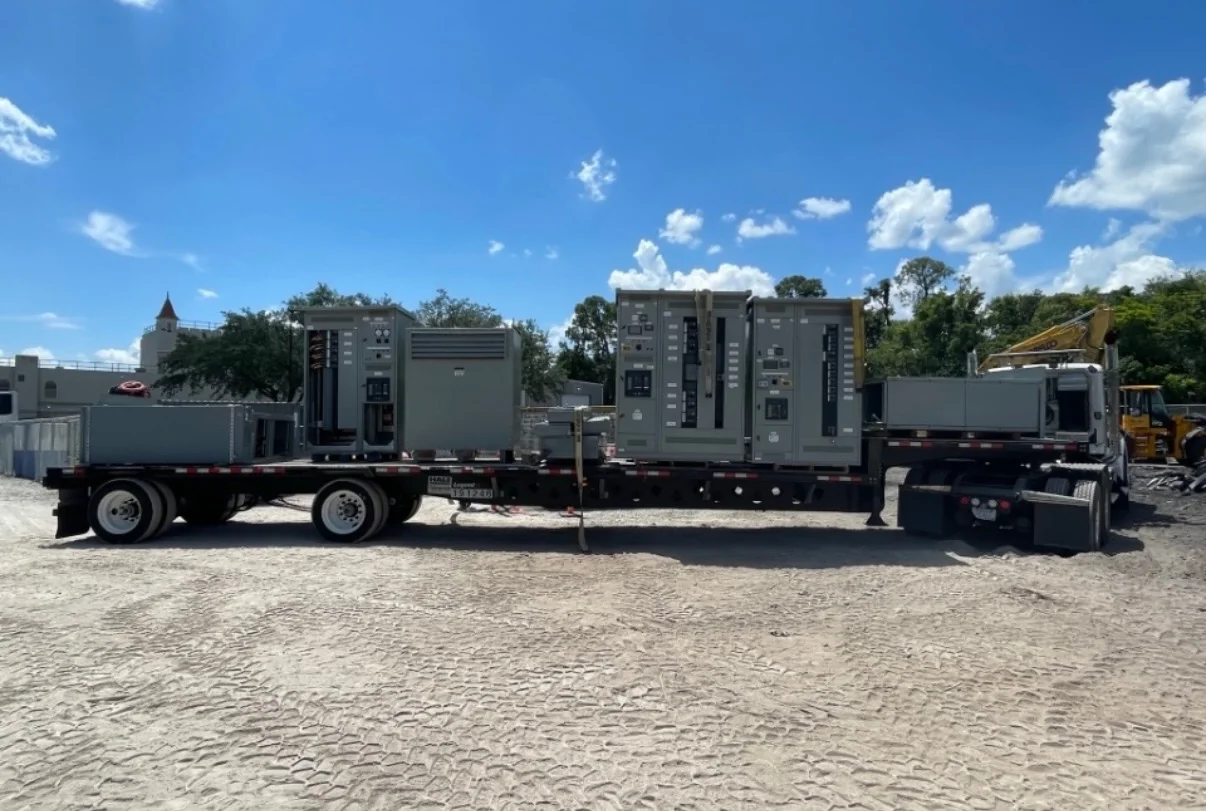
We Buy Used Switchgear in Hyattsville, Maryland
If your facility in Hyattsville has used switchgear to disposition, we buy electrical equipment and can make a cash offer after reviewing the equipment and removal scope. We buy; we do not sell. We consider all voltage classes, and sellers do not need to test equipment before requesting an offer. The purchase and removal plan depend on the specific lineup, its condition and completeness, ownership, and what can be safely accessed and removed at the site.
This page is for sellers arranging disposition in Hyattsville and the wider Washington, DC, Northern Virginia, and Maryland service area. A local office or a particular facility arrangement should not be assumed. Before scope is set, share clear equipment photos, nameplate information, lineup dimensions, ownership details, site access information, and any known removal constraints. Those details help determine what is being offered and what work the project requires; they do not establish a final price on their own.
Document the Full Lineup—and the Sections That Stay
A switchgear lineup may contain several connected or adjacent sections, while only some are available for sale. Make a simple lineup plan that identifies each section in order and marks which units are offered for purchase, which are retained, and where the boundary falls between them. If removable sections are included beside retained equipment, show that distinction in wide-angle photos and close-ups. A clear written scope can reduce confusion about what may be disconnected, lifted, loaded, and taken away.
For each offered section, provide the visible nameplate details and photos of the front, sides, rear where safely accessible, and connections or barriers that help identify its position in the lineup. Include overall lineup length, approximate height and depth, and the dimensions of individual sections when available. Note whether sections are complete or whether doors, covers, breakers, internal components, bus links, or accessories are missing or have already been removed. Do not open energized compartments or enter restricted areas to gather information; site rules and qualified personnel govern safe access.
Ask the responsible facility representative to review a written scope before removal is scheduled. The approval should identify the included equipment, retained sections, separation points, and any items that must remain in place. It should also record how shared supports, bus connections, barriers, cables, or adjacent equipment are to be treated. Do not rely on a verbal description or a photo alone when the boundary between purchased and retained property is consequential. If the scope changes after review, update the written approval before work proceeds.
Information That Helps Shape an Offer
Nameplates can help identify the equipment, ratings, and configuration, but they are only one part of the review. Send legible images of available labels without making assumptions about specifications that are not visible. A brief inventory should distinguish lineup sections and note any known breakers or other major components included with each section. Photos should show the equipment as it currently stands, including visible damage, corrosion, missing covers, modifications, storage conditions, and nearby obstructions when relevant.
Ownership and authority matter as much as physical description. Confirm that the seller owns the switchgear or is authorized to arrange its sale, and identify any retained, leased, customer-owned, or otherwise excluded components. Share the facility contact who can coordinate access, site requirements, and scheduling. Also flag limitations such as restricted work hours, security check-in, loading-area rules, limited staging space, low overhead clearance, narrow routes, stairs, or other conditions that may affect moving large electrical assemblies. These are planning questions, not assumptions about any particular Hyattsville facility.
No seller testing is required. If condition or completeness is uncertain, say so and provide the available documentation rather than arranging tests just to request an offer. Any inspection or further information needed can be discussed as part of the project review. Because the offer depends on the actual equipment and agreed removal scope, a review is needed before a price can be confirmed; photos or preliminary details alone are not a guarantee of value or acceptance.
Safe Disconnects, Access, and Removal Planning
Electrical equipment must be de-energized, isolated, and disconnected by qualified personnel under the facility’s safety procedures and outage plan. Do not ask unqualified staff to disconnect, open, move, or handle switchgear. The facility and its qualified personnel coordinate the safe condition of the equipment and any required outage timing; the buyer coordinates project logistics with the site. Access and timing should be agreed before the removal date so the planned work can fit the facility’s operating and safety requirements.
The buyer handles crane, rigging, disconnects, loading, freight, and hauling, subject to project arrangements and site access. The work plan should make responsibilities explicit, including the sequence for separating included sections from retained equipment and any site-specific restrictions that affect equipment movement. Confirm in advance the available route from the lineup to the loading point, clearances, floor or ground conditions, staging area, and whether crane access or another lifting approach is feasible. The actual method depends on the site and equipment; it should not be presumed from an address or a photograph.
Before committing to a schedule, confirm who will authorize access, who will perform qualified electrical work, how the equipment will be made safe, and when loading can occur. If a shared lineup, tight access, or a complex boundary creates uncertainty, resolve it through a documented scope and project coordination. Safe work and protection of retained equipment take priority over speed.
Payment and a Clear Agreement Before Pickup
We can make a cash offer, and payment is arranged upfront when an offer is accepted. Before removal, confirm the accepted equipment, purchase amount, payment timing, and scope in writing. The buyer pays the crane, rigging, loading, freight, and hauling costs, with responsibilities confirmed before removal. This arrangement is subject to the project’s agreed scope and site access; it should not be treated as a promise that every removal condition or schedule can be accommodated without review.
To begin, send clear photos, readable nameplates, lineup and section dimensions, an inventory of included and missing components, and a marked plan showing what is being sold versus retained. Add confirmation of ownership or sale authority, the facility contact, access and scheduling requirements, and known removal constraints. Once the equipment and boundaries have been reviewed, the parties can agree on the offer and removal responsibilities. A documented scope is especially important for mixed lineups: only the sections approved in writing should be treated as included, and retained equipment should be clearly protected in the plan.