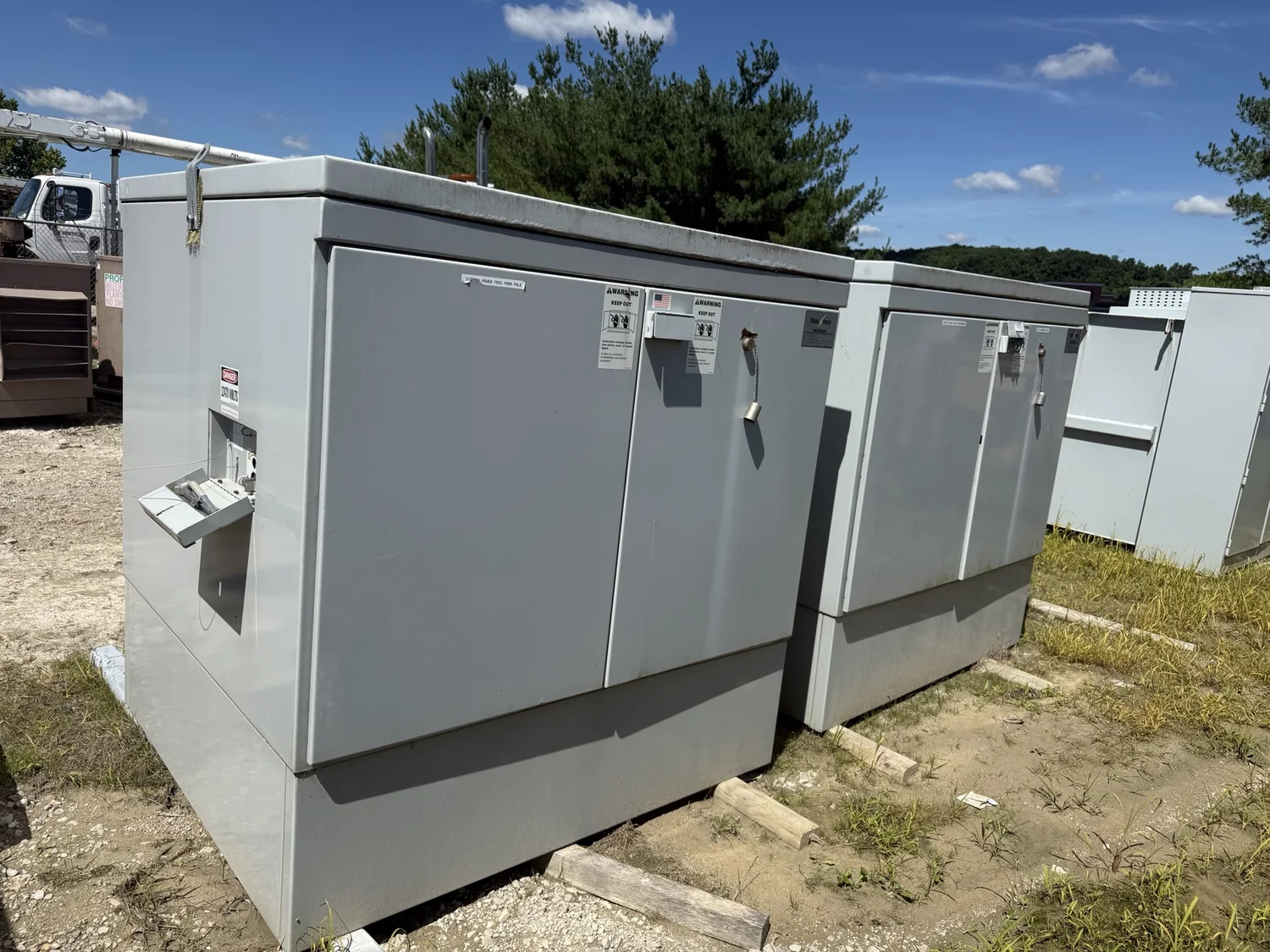
We Buy Used Switchgear in Gaithersburg, Maryland
If your business has used switchgear at a facility in Gaithersburg, Maryland, we can review it for purchase. We buy equipment; we do not sell it. We consider all voltage classes, and you do not need to test the equipment before requesting a review. Clear photos, nameplate information, basic dimensions, and details about ownership and site access help us understand what is available and what removal may involve.
A purchase is not determined from the location or a brief description alone. Equipment configuration, completeness, condition as represented in the available records, and the practical requirements for access and removal can all affect an offer. We review the information you provide and discuss the project scope before settling removal responsibilities or scheduling. Any offer and payment arrangements are confirmed for the specific equipment and project; there is no guaranteed price before review.
What to Share Before Scope Is Set
Start with photographs that can be taken without entering restricted areas or touching the equipment. Useful images may include a wide view of the switchgear lineup, the room or approach to it, visible sections and doors, and close-ups of each accessible nameplate. Include photos of labels, breakers, meters, accessories, and any visible damage or missing components when those details can be documented safely. Do not open energized equipment or enter an electrical room unless site rules and your role authorize it.
Provide the nameplate details you can read, such as manufacturer, model or catalog identifiers, serial number, and ratings shown. Record the lineup’s approximate overall length, height, and depth, along with the number of sections if known. Note whether the equipment is believed to be complete, whether breakers or other components are included, and whether related documentation or loose parts are available. These details help identify the equipment and plan a review, but they do not replace a project-specific inspection or guarantee an offer.
Ownership, Records, and Restricted-Room Planning
Before a sale is considered, clarify who owns the switchgear and who has authority to approve its disposition. If the equipment belongs to a landlord, tenant, lender, or another organization, identify the party authorized to make the decision and arrange access. Helpful records may include available inventory lists, drawings, maintenance records, prior equipment schedules, or documentation identifying included components. Share only information you are authorized to provide, and do not remove labels or records from the site without permission.
A restricted electrical room may limit who can enter, when photographs can be taken, and how equipment can be approached. A seller can often provide initial information through approved photos and records while the equipment remains in place. Tell us about escort requirements, sign-in procedures, access hours, security rules, room clearances, and any restrictions on photography or staging. If site staff need to accompany a visit or coordinate with operations, account for that in the proposed schedule rather than assuming unrestricted access.
Removal, Safety, and Gaithersburg Logistics
Switchgear removal is a coordinated project, not simply a pickup. The buyer handles crane, rigging, disconnects, loading, freight, and hauling, subject to project arrangements and site access. Responsibilities and the work plan are confirmed before removal. The ability to use particular equipment or routes depends on conditions at the facility, so provide practical details such as door and corridor dimensions, turns, floor or loading-area constraints, overhead obstructions, available staging space, and the route from the electrical room to the loading point. For outdoor or dock access, share relevant clearances and any scheduling or vehicle restrictions you know about.
Only qualified personnel should perform de-energization, isolation, and disconnect work, following the site’s safety procedures and approved outage plan. Do not disconnect, open, move, or handle electrical equipment yourself unless you are qualified and authorized under those procedures. Coordinate the timing, access, outage window, and any required site oversight among the facility, the qualified personnel responsible for electrical work, and the buyer before removal. Gaithersburg projects may involve different access and scheduling conditions from one facility to another; the actual site details, not assumptions about the location, determine the workable plan.
Offer Review and Upfront Payment
Once the equipment information and project details are reviewed, we can discuss whether to make a cash offer and what it covers. The offer depends on the identified equipment and the removal scope, including completeness, available ratings and records, access, and removal constraints. A final price cannot be set responsibly without reviewing those details. If an offer is accepted, payment is arranged upfront. The buyer pays the crane, rigging, loading, freight, and hauling costs, with responsibilities confirmed for the specific project before removal begins.
To start, send the clearest available nameplate and equipment photos, approximate lineup dimensions, a description of included components, confirmation of ownership or selling authority, and a concise account of access and removal conditions. You do not need to test the switchgear to request consideration. With accurate information and a coordinated plan, a seller can begin the disposition process while keeping restricted-room access and site safety requirements in view.