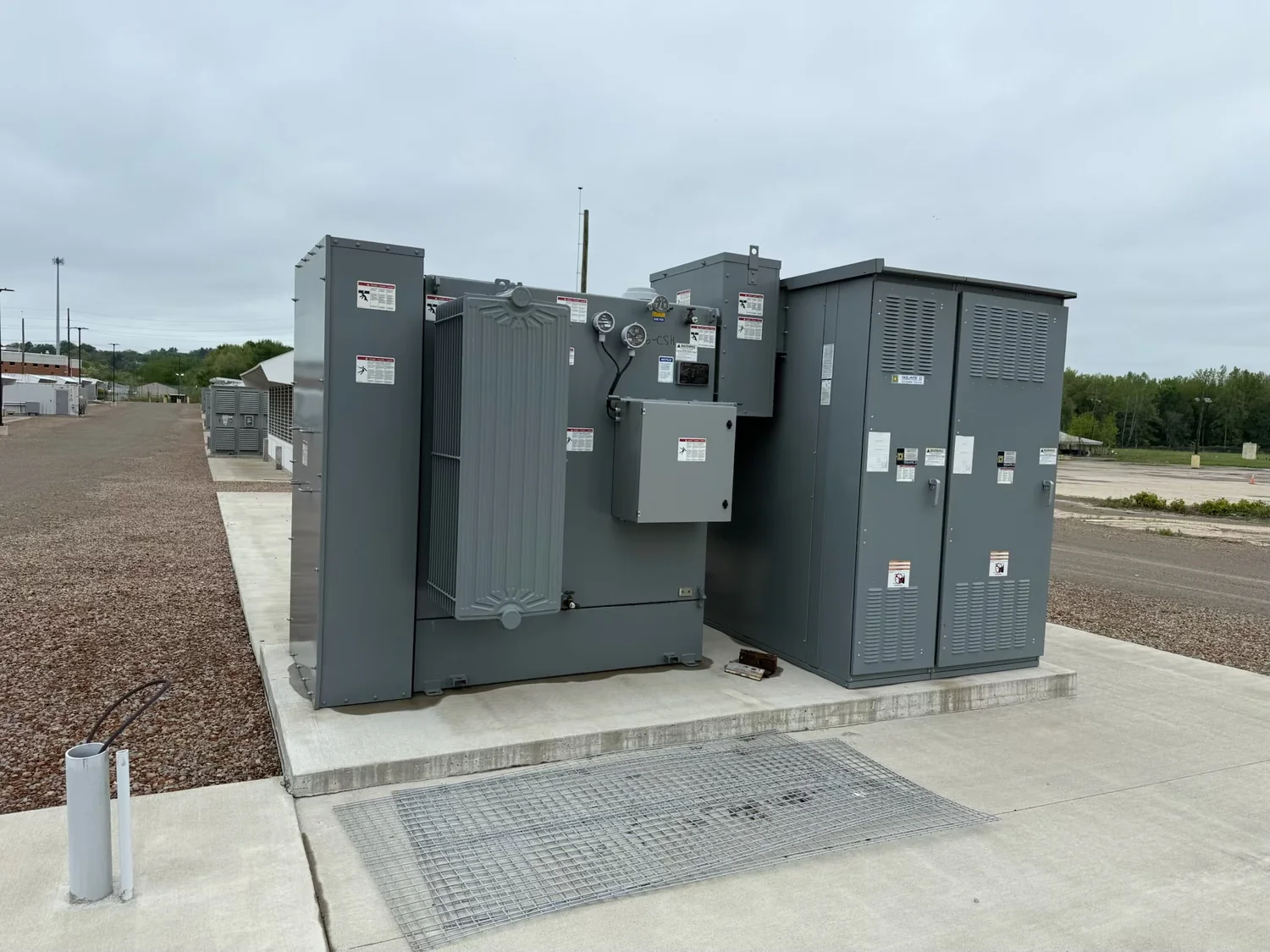
We Buy Used Switchgear in Reston, Virginia
If your business has used switchgear at a facility in Reston, Virginia, we can review it for purchase. We buy electrical equipment; we do not sell switchgear. The equipment may be part of a planned upgrade, a facility consolidation, a decommissioning, or another asset-disposition project. A practical first step is to share clear photos, available nameplate information, the lineup’s approximate dimensions, and basic details about ownership and site access. That information helps establish what equipment is being offered and what removal planning may involve.
We serve businesses in Washington, DC, Northern Virginia, and Maryland. A Reston project still needs to be assessed on its own facts: the building, equipment location, access route, site rules, schedule, and removal conditions can differ from one facility to another. We do not assume a particular manufacturer, voltage, condition, or configuration from the location alone. We consider all voltage classes, and no testing is required from the seller to begin a review. Any offer depends on reviewing the equipment and project details; a final price cannot be set from a brief description alone.
Document the Equipment Before Scope Is Set
Photograph the switchgear from several angles, including the full lineup, individual sections, visible labels, and surrounding space. Clear images of nameplates can help identify the available ratings and equipment details without relying on assumptions. If a label is damaged, obstructed, or unreadable, note that rather than guessing at its contents. Photos showing the equipment in context can also help reveal nearby walls, doors, overhead clearance, and possible paths for moving sections out of the building.
Provide approximate lineup length, height, and depth when available, along with the number of sections and any known accessories or associated components included in the proposed sale. Note whether the equipment is complete, whether parts have already been removed, and whether items such as bus components, breakers, or other sections are included or excluded. These details help clarify what is being evaluated and can affect the handling plan. Dimensions and completeness should be described as accurately as practical; they are planning inputs, not a substitute for an on-site review when one is needed.
Share any available records that help establish what the equipment is and who owns it. That might include asset records, purchase documentation, or other internal paperwork. The seller should identify the party authorized to approve the sale and confirm which equipment is included. Clear documentation can help avoid confusion between the switchgear being offered and other assets that remain with the facility.
Confirm Ownership and Release Authority
Ownership deserves particular attention in leased, managed, or shared-use buildings. The party currently using the equipment may not be the party authorized to sell it. Before scope is set, identify the legal owner of the switchgear, the person or organization with authority to approve its disposition, and any required internal release steps. If a landlord, tenant, property manager, facilities contractor, or another organization has a role, clarify who can authorize removal and who can provide access on the scheduled date.
The buyer can review the information provided, but the seller is responsible for confirming that the equipment may be sold and released. Resolve questions about ownership, inclusion in a lease or other agreement, and permission to remove equipment before arranging a removal date. For shared-use spaces, coordinate with the parties responsible for the building and affected operations so that access, work boundaries, and any required approvals are understood. Do not assume that possession of equipment or responsibility for operating a facility alone establishes authority to sell it.
Plan Safe Removal and Site Access
Switchgear removal requires project-specific planning. De-energization, isolation, and disconnection must be handled by qualified personnel under the site’s safety procedures and outage requirements. Do not ask unqualified staff to disconnect, move, or otherwise handle electrical equipment. Coordinate the required work with the facility’s authorized personnel, including the people responsible for electrical safety, operations, and any affected tenants or users. The timing and sequence of the work depend on the site and must be agreed for the project.
The buyer handles crane, rigging, disconnects, loading, freight, and hauling, subject to project arrangements and site access. Before removal, responsibilities and the planned scope should be confirmed so everyone understands what work is included and what the site must provide or coordinate. The buyer’s handling of disconnects does not replace the need for qualified personnel and compliance with the facility’s safety and outage procedures. Discuss who will coordinate any required de-energization or isolation, when the equipment can be accessed, and how the work fits the site’s approved schedule.
Useful access details include the equipment’s location within the building, door and corridor dimensions, floor or loading-area constraints, overhead obstructions, staging space, and the route from the lineup to the loading point. Also disclose restrictions on vehicle access, crane placement, working hours, security check-in, elevators, loading docks, and other relevant site rules. These are planning questions, not assumptions about a particular Reston property. A tight route, limited staging, or restricted work window may affect the removal approach and schedule, so raise known constraints early.
Request an Offer and Coordinate the Schedule
To begin, send the equipment photos, readable nameplates where available, approximate lineup dimensions, a description of what is included, and details about ownership and release authority. Add the facility location in Reston, the equipment’s position within the site, known access restrictions, and your preferred timing. If the equipment is in a leased or shared-use building, say which party owns it and who can approve its sale and removal. More complete information can make the initial review more useful, while unknown details can be identified for follow-up.
If an offer is made and accepted, payment is arranged upfront. The buyer pays the crane, rigging, loading, freight, and hauling costs, with responsibilities confirmed before removal. The specific project arrangements, access conditions, and removal scope must still be reviewed and agreed; avoid treating an initial discussion as confirmation of a final price, schedule, or removal plan. No testing is required from the seller, and we consider all voltage classes. A clear exchange of equipment details, ownership information, and site constraints provides a practical basis for reviewing used switchgear in Reston and coordinating the next steps.