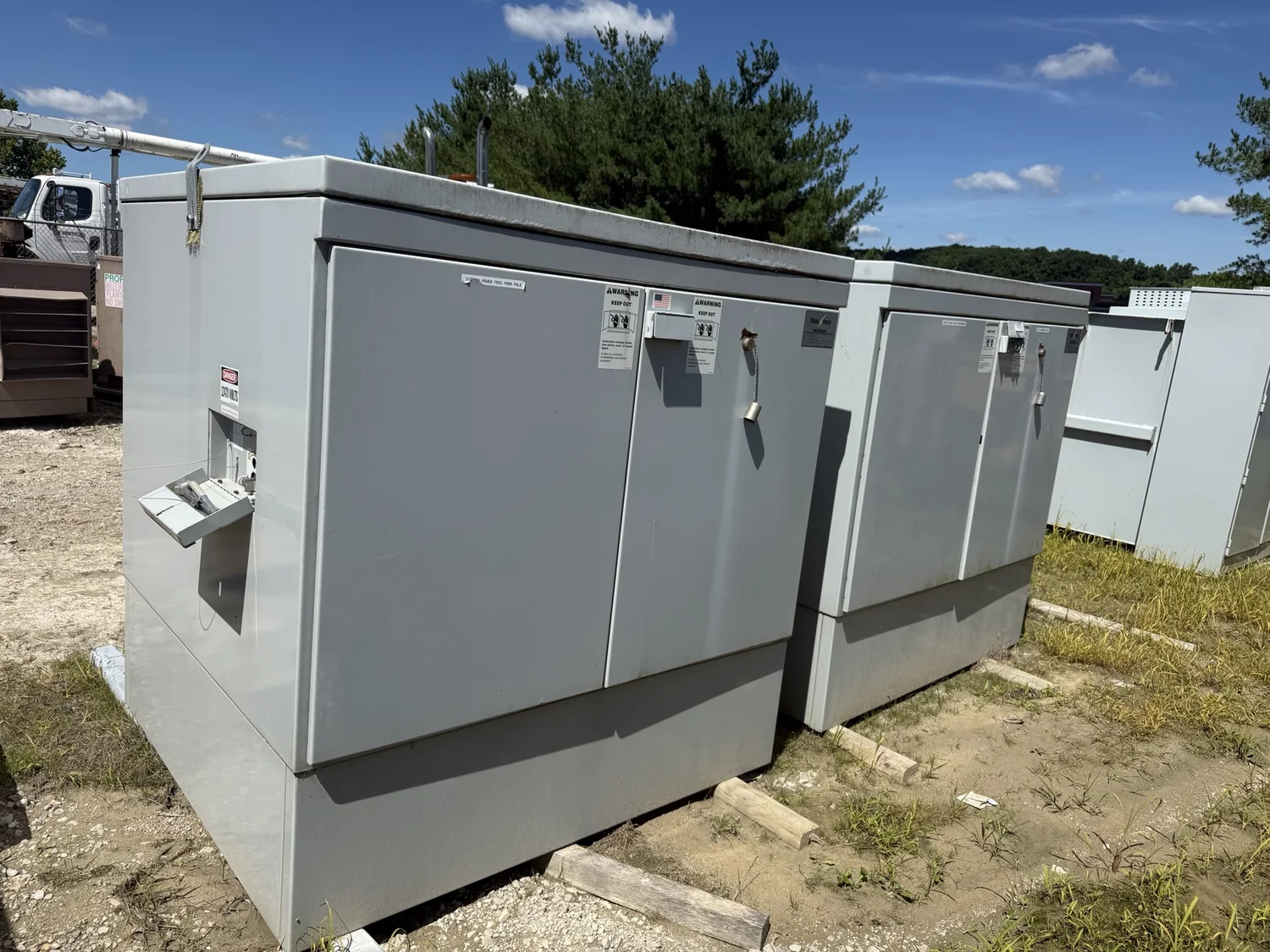
Plan switchgear disposition early in a mining-facility closure
Closing or changing out a bitcoin mining facility involves more than deciding which equipment will remain. Switchgear may be part of an operating electrical lineup, a larger property transition, or a staged shutdown, so its disposition should be considered alongside the site’s outage plan, access restrictions, and project schedule. For owners and project teams in Washington, DC, Northern Virginia, and Maryland, early coordination can help establish whether equipment is available for removal and what information is needed to review it.
This buyer purchases electrical equipment; it does not sell equipment or provide electrical decommissioning services. It considers switchgear across all voltage classes. The seller does not need to test equipment to request a review. A preliminary assessment can begin with clear photographs, nameplate information, lineup dimensions, and a description of what is included. Those details help identify the equipment and frame a possible scope, but they do not establish a final offer or guarantee that every item can be purchased.
Gather identification, condition, and scope details
Photograph the lineup from several useful angles: a full view of each section, close-ups of readable nameplates, and details of visible accessories, compartments, and connections where safely accessible. Include photographs of the equipment in its surroundings so the buyer can understand how the lineup sits in the room or on the site. Do not remove covers or approach energized equipment to obtain pictures. If safe access to a label or component is uncertain, leave that task to qualified site personnel.
Nameplates can help identify manufacturer, model or type, ratings, and other markings, but the review should use only information actually visible on the equipment or supplied by the seller. Share overall lineup length, height, and depth where available, along with section count and any known shipping or handling dimensions. Note whether the proposed scope includes only switchgear or also related components, spares, or documentation. Report missing sections, known damage, incomplete assemblies, or items that may have been altered. A clear account of completeness is more useful than an unsupported assumption that a lineup is intact or ready for resale.
Ownership and authority to transfer the equipment also matter. Confirm who owns the assets, who can authorize their sale, and whether any lender, landlord, lessor, or other party must approve disposition. If several organizations are involved in a facility closure, identify the contact responsible for coordinating the asset list and the person who can arrange site access. These details help prevent a review from advancing on equipment that is not yet available for transfer.
Coordinate access and removal around the site plan
A bitcoin mining facility may be closing, changing its electrical arrangement, or removing only selected equipment. The intended sequence can affect access to the lineup, work-area clearance, and the timing available for removal. Describe whether other systems or work crews will be operating nearby, whether equipment must pass through doors or corridors, and whether loading areas have restrictions. In the DC region, urban access, building rules, security procedures, traffic controls, and site-specific delivery or loading windows may affect planning; these must be confirmed for the actual facility rather than assumed from its location.
The buyer handles crane, rigging, disconnects, loading, freight, and hauling, subject to project arrangements and site access. The parties should confirm responsibilities, schedule, equipment scope, and removal conditions before work is arranged. The review may need measurements of doorways, overhead clearances, turning space, loading-dock or yard access, and the route from the equipment to the pickup point. If a crane or specialized rigging may be needed, site constraints and placement options should be discussed before removal is scheduled. No removal plan should be treated as settled until access and responsibilities are understood.
Switchgear must not be disconnected or handled by unqualified personnel. De-energization, isolation, and disconnect work must be performed by qualified personnel under the facility’s safety procedures and outage controls. Coordinate the required outage window, access approvals, and work sequence with the site’s responsible personnel. The buyer’s responsibility for arranging or handling disconnects is subject to those project arrangements; it is not permission for anyone to bypass the facility’s procedures or perform electrical work without proper qualification.
Understand review, offer, and payment steps
Start by sending the available photos, nameplate details, lineup dimensions, item list, ownership information, and access notes. If some information is unavailable, say so and identify what can be confirmed later. The buyer can review the submitted details and ask follow-up questions before determining whether to make an offer. No seller testing is required for this initial review, and all voltage classes are considered; however, consideration does not guarantee an offer or acceptance of a particular configuration.
Any offer is subject to review of the equipment and project scope. A final price should not be assumed from a photograph, a voltage class, or a brief asset description. Completeness, visible condition, identification, ownership, removal effort, scheduling, and site access can all affect whether a proposed transaction is workable. If an offer is accepted, payment is arranged upfront. Confirm the payment timing and the agreed equipment scope before removal begins, and put the project responsibilities in clear terms so both sides understand what is included.
Because the buyer pays the crane, rigging, loading, freight, and hauling costs, those responsibilities should still be confirmed for the specific project rather than left implicit. The parties should document the agreed scope, access arrangements, target schedule, and any site conditions that could affect pickup. This practical confirmation helps align asset disposition with the broader closure or changeout plan without promising a particular price, removal date, or outcome before review.
Prepare a useful inquiry for a DC-region facility
A concise inquiry can include the facility’s general location within Washington, DC, Northern Virginia, or Maryland; the reason for disposition, such as closure or changeout; an equipment list; readable nameplate photographs; overall lineup dimensions; and notes on completeness or known issues. Add the ownership and authorization contact, the site-access process, and any known restrictions on work hours, loading, staging, or removal routes. Do not share sensitive access credentials in an initial inquiry; arrange security details through the facility’s approved process.
If the lineup remains connected to an operating system, explain the planned outage and who will coordinate qualified personnel for de-energization, isolation, and disconnect work. If the site is being cleared in stages, indicate which equipment is available first and what must remain until later work is complete. These details help the buyer assess the proposed scope and logistics while leaving site safety decisions with the responsible facility team.
A well-prepared review is a practical first step, not a substitute for a site-specific removal plan. Provide the clearest information available, flag uncertainties, and coordinate access and timing before scheduling work. The buyer can consider the equipment and make a cash offer if the scope is suitable; if accepted, payment is arranged upfront, and the buyer handles the agreed crane, rigging, disconnects, loading, freight, and hauling responsibilities subject to project arrangements and site access.