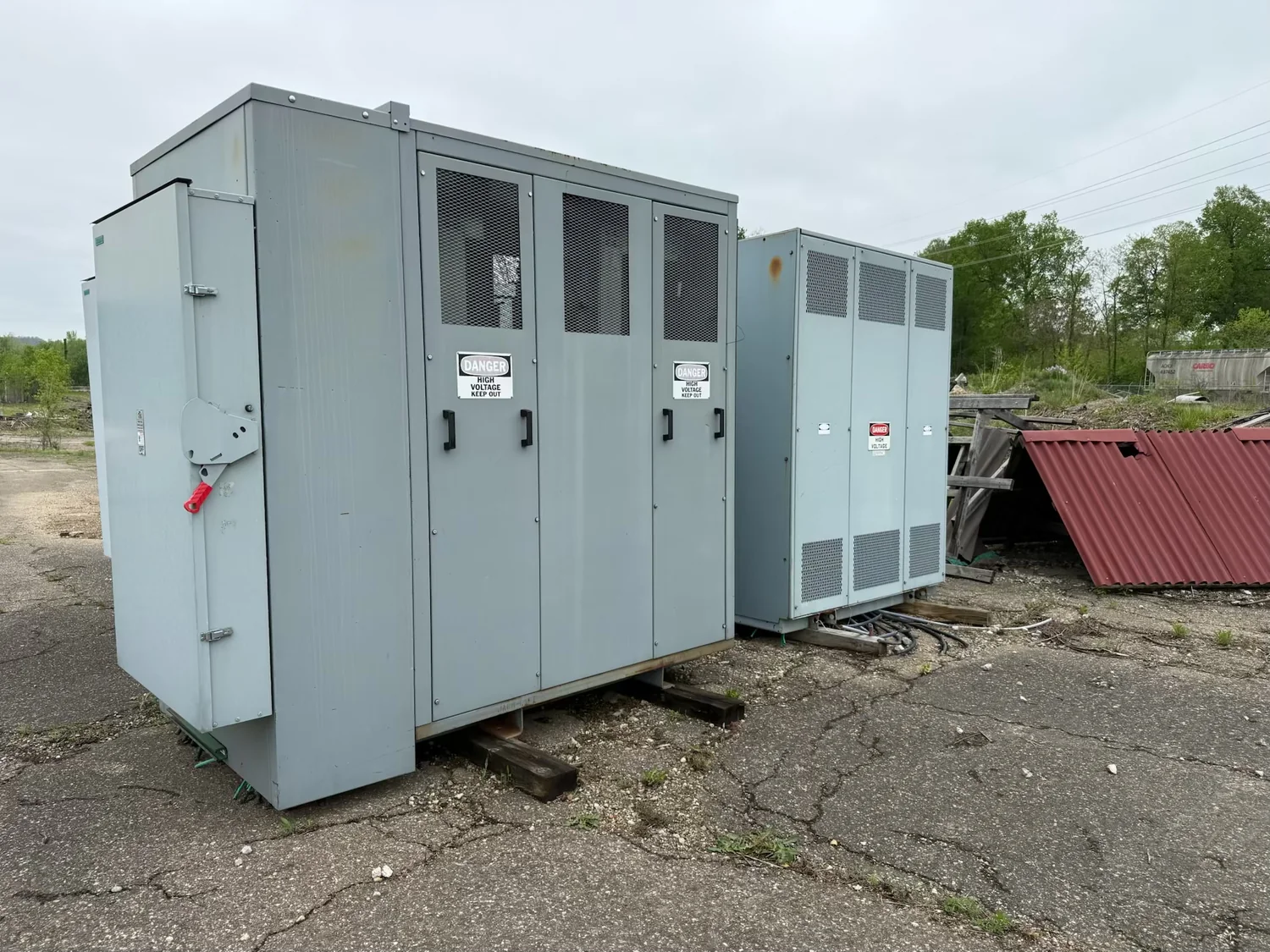
Switchgear Loading Sequence Guide for the Washington, DC Region
Planning a switchgear loading sequence starts well before a crane arrives. The sequence needs to account for the equipment’s configuration, how it will be disconnected and removed, the route from its installed position to the pickup point, and the conditions at the site. For sellers in Washington, DC, Northern Virginia, and Maryland, access and scheduling can vary by property and project, so the removal plan should be based on the actual site—not assumptions about the building or neighborhood.
This guide is for businesses considering the sale of switchgear they own or are authorized to dispose of. The buyer purchases equipment and can make a cash offer; it does not sell switchgear. If an offer is accepted, payment is arranged upfront, and the buyer pays the crane, rigging, loading, freight, and hauling costs, subject to the agreed project arrangements and site access. Scope, timing, responsibilities, and payment arrangements should be confirmed before removal. No seller testing is required for an initial review, and all voltage classes are considered.
Start With Equipment and Ownership Information
Before setting a removal scope, share clear photographs of the complete switchgear lineup, its surrounding area, and any visible obstacles along the anticipated removal path. Include close, readable photographs of each available nameplate and labels that identify the equipment or its sections. Nameplate details can help the buyer review what is being offered, while overall photos can show the lineup’s apparent configuration and condition. Do not remove covers or enter restricted areas to obtain photographs; follow site rules and use personnel authorized to access the equipment.
Provide the lineup’s approximate overall dimensions—height, width, and depth—and, if available, the dimensions and weight information for individual sections. Note whether the lineup appears to be one assembly or multiple sections, and identify any bus, accessories, or associated components included in the offer. A list of what is present and what is excluded helps prevent confusion about completeness. If exact measurements or weights are not available, say so rather than estimating beyond what can be safely observed.
The seller should also confirm ownership or authority to sell, the equipment’s location within the facility, and who can approve access and removal. Useful planning details include the preferred pickup window, building or site access process, operating-hour restrictions, loading-area rules, and any known limits on staging or vehicle access. These are project questions, not assumptions about a particular DC-area property; the site representative should confirm the applicable conditions.
Build the Sequence Around Safe Isolation and Access
Switchgear must be de-energized, isolated, and disconnected under the site’s safety procedures and outage plan. Those tasks must be performed by qualified personnel authorized for the equipment and installation. The buyer’s purchase or removal arrangements do not replace the site’s electrical-safety requirements, and unqualified sellers or other personnel should not attempt to disconnect, move, or handle electrical equipment. Coordinate the responsible parties, work boundaries, outage timing, and release of the equipment before physical removal is scheduled.
A practical sequence generally begins with confirming the equipment and the agreed scope, then coordinating the site’s required outage and qualified disconnect work. After the equipment has been released for removal, the parties can carry out any project-specific preparation, rigging, loading, and transportation steps under the agreed plan. The exact order depends on the installation and site conditions. For example, access to the lineup, the way it is secured, available clearances, and the route to the loading point may affect how sections are prepared and moved. These details should be assessed rather than assumed from photos alone.
Identify possible constraints early: stairs, narrow corridors, door or ceiling clearances, floor or loading-area limits, elevators, overhead obstructions, turning space, restricted delivery windows, or a long route from the equipment room to the pickup area. Mention any known requirements for escorts, check-in, reservations, or coordination with facility operations. A crane or rigging plan may be affected by where equipment can be positioned and how the load can travel. The buyer handles crane and rigging arrangements, but the project plan still depends on accurate site information and confirmed access.
Confirm Removal Responsibilities Before Scheduling
The buyer handles crane, rigging, loading, freight, and hauling, with the scope arranged for the specific project and subject to site access. The buyer also coordinates the agreed removal logistics, including disconnect arrangements as applicable; however, electrical de-energization, isolation, and disconnect work must be handled by qualified personnel in accordance with the site’s procedures. Confirm in writing who is responsible for coordinating those qualified personnel, what work the site must complete before removal, and when the equipment will be available to load.
Before a date is set, clarify the equipment included, any excluded parts, the expected removal route, site access and timing, and any restrictions that could change the work plan. Confirm who will provide access, who can authorize the outage and release, and how the loading area will be made available. If conditions differ from what was described or shown, pause and coordinate before proceeding; a changed route, incomplete lineup, or unexpected access constraint may require a revised plan. Neither a preliminary review nor a proposed schedule should be treated as a guarantee that removal can proceed without adjustment.
For a useful initial review, send the equipment photos, nameplate images, lineup dimensions, a description of completeness, ownership or disposal authority, and site access and removal details. Include known crane, rigging, loading, or hauling constraints and the timing windows the site can support. The buyer can review the information and make an offer after assessing the equipment and project details. Any final price and removal scope require review; they cannot be established from the topic or a generic loading sequence alone. If the offer is accepted, payment is arranged upfront, and the buyer covers the agreed crane, rigging, loading, freight, and hauling costs.