Switchgear Hauling Scope Guide for the Washington, DC Region
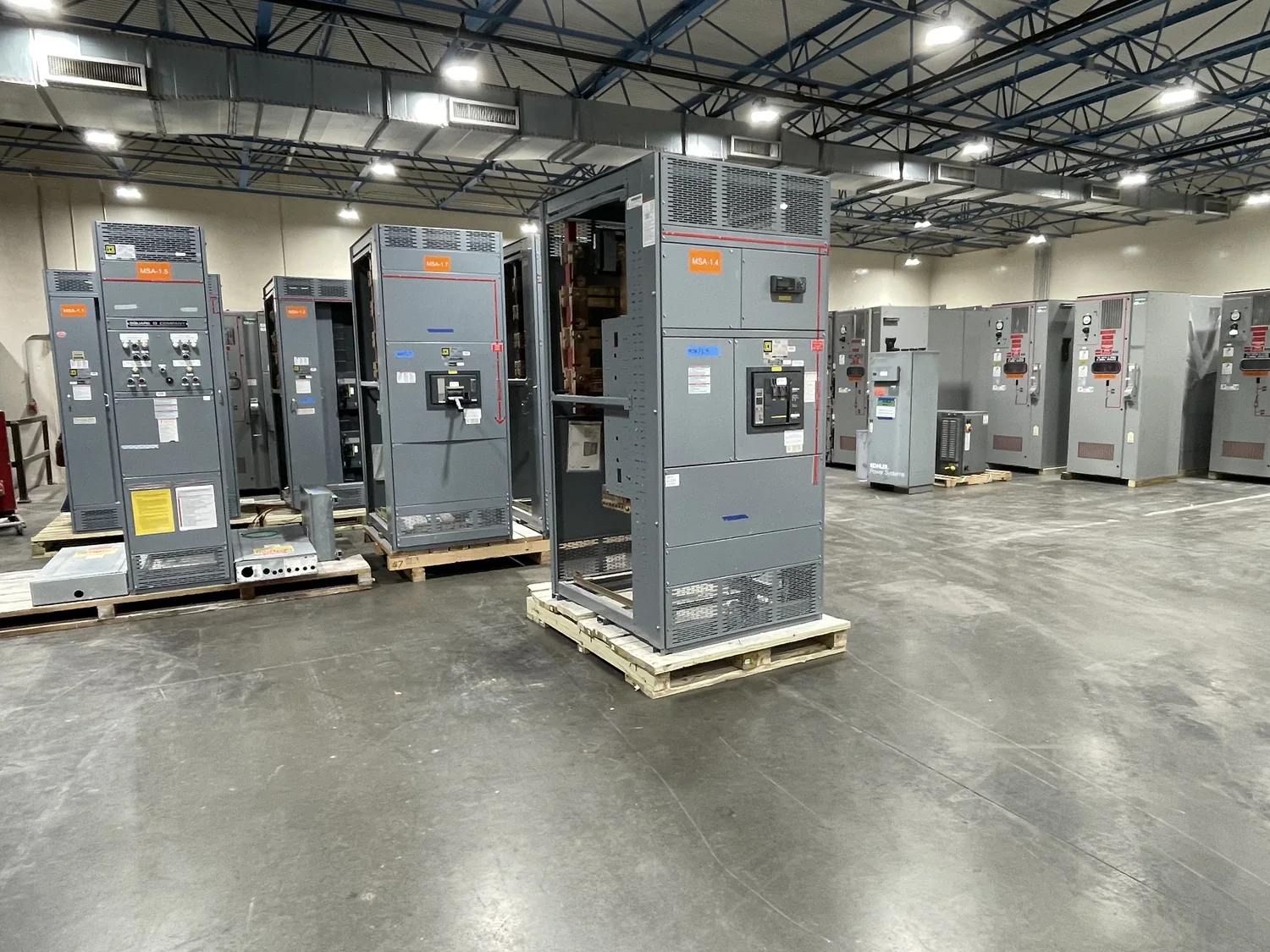
If you are planning to remove switchgear in Washington, DC, Northern Virginia, or Maryland, it helps to define the hauling scope before setting a removal date. A clear scope connects the equipment being considered, the work required to move it, site conditions, and the responsibilities each party will handle. It also gives the buyer enough information to review the equipment and make an offer without relying on assumptions about the facility or the lineup.
This business buys electrical equipment; it does not sell or install it. It can make a cash offer and, if you accept, arranges payment upfront. The seller does not need to test the switchgear as a condition of submitting it for review. All voltage classes are considered, but the equipment, its condition and completeness, and the practical removal requirements still need to be reviewed before a final offer or scope is set. No price can be confirmed from a general description alone.
Start with Equipment Identification and Clear Photos
Gather the information that lets the buyer understand what is being offered. Send clear, well-lit photos of the complete lineup, its front and rear where accessible, visible interior sections if they can be photographed safely, and any associated equipment included in the proposed disposition. Include close-ups of each available nameplate and identification label. Do not remove covers or enter restricted areas to get a photo; follow site rules and use qualified personnel where access or equipment condition calls for it.
Share the lineup’s approximate overall length, height, and depth, along with the number and arrangement of sections if known. Note visible ratings and nameplate details, such as voltage, current, and other markings, without guessing where information is unreadable. Describe what is included or excluded—for example, sections, breakers, accessories, or related components—and flag missing or uncertain items. Completeness matters because a partial lineup and a complete lineup may require different review and removal planning. Photos and dimensions help clarify the request, but they do not replace a review of the specific equipment and site arrangements.
Confirm Ownership, Site Access, and Removal Constraints
Before discussing removal, confirm that you own the equipment or have authority to arrange its sale and removal. Identify who can approve the disposition, coordinate the facility’s requirements, and provide access on the scheduled date. If ownership, asset records, or approval authority is unclear, resolve that before committing to a pickup window. The buyer may need a responsible site contact who can confirm which equipment is included and what conditions apply to entry and work.
Describe the route from the switchgear to the loading area, including door and corridor clearances, stairs or level changes, tight turns, overhead obstructions, floor or dock limitations, and any known restrictions on staging or vehicle access. In the DC region, building rules, loading arrangements, traffic, and access windows can affect scheduling; the exact requirements depend on the facility and must be confirmed for the particular project. Share relevant site rules, permitted work hours, appointment requirements, and any constraints on truck or crane positioning. Do not assume that equipment can be removed through the nearest doorway or during ordinary business hours.
Define Disconnects, Rigging, and Hauling Responsibilities
The buyer handles the crane, rigging, loading, freight, and hauling, subject to project arrangements and site access. Confirm these responsibilities before removal, including how the equipment will be made accessible, what route will be used, and whether the proposed equipment and handling plan fit the site. A crane or specialized rigging may or may not be appropriate; that decision depends on the equipment, building, route, access, and project plan. The buyer’s responsibility for removal logistics does not eliminate the need to coordinate site approvals, access, timing, and any facility-specific conditions.
De-energization, isolation, and electrical disconnect work must be performed by qualified personnel in accordance with the site’s safety and outage procedures. Do not ask unqualified staff to disconnect, dismantle, or handle electrical equipment. Coordinate who will perform disconnect work, when it can occur, and how the equipment will be released for removal. The timing should account for the facility’s outage plan and access requirements. Clarify in advance whether equipment must remain in place until a particular approval or work step is complete; responsibilities and sequencing should be agreed for the project rather than assumed.
Set the Scope Before Scheduling Pickup
A useful scope summary brings the equipment description and logistics together: what switchgear is included, what is known about its ratings and completeness, where it is located, how it can be accessed, and what work must occur before loading. Send the nameplate photos, overall and detail photos, lineup dimensions, ownership confirmation, site contact and access details, and any known removal constraints. If information is unavailable, say so plainly. The buyer can review what is provided and ask follow-up questions before setting the scope.
Payment is arranged upfront if an offer is accepted, and the buyer pays the crane, rigging, loading, freight, and hauling costs, with responsibilities confirmed before removal. An offer and pickup plan depend on review of the actual equipment and the project’s access and scheduling details; neither a price nor a removal date should be treated as guaranteed before that review and coordination. Once the parties have confirmed the equipment, access, disconnect plan, responsibilities, and timing, they can determine whether the proposed removal arrangement works for the seller’s site and schedule.