Switchgear crane scope: what sellers should know
Planning to sell switchgear that may need a crane? Crane scope is the project-specific work needed to safely access, disconnect, rig, remove, load, and haul the equipment. It can vary substantially with the lineup’s size and configuration, where it sits, the building’s access route, and the site’s outage and safety requirements. In the Washington, DC region—including Northern Virginia and Maryland—sharing accurate equipment and access information early helps establish a realistic removal plan and schedule.
This business buys switchgear; it does not sell equipment. It considers switchgear across all voltage classes, and no seller testing is required. You can request a cash offer by providing information for review. If you accept an offer, payment is arranged upfront. The buyer handles crane, rigging, loading, freight, and hauling, subject to project arrangements and site access. Responsibilities and the removal plan should be confirmed before work begins. An offer or removal plan is not final until the equipment and project conditions have been reviewed.
Start with clear equipment details
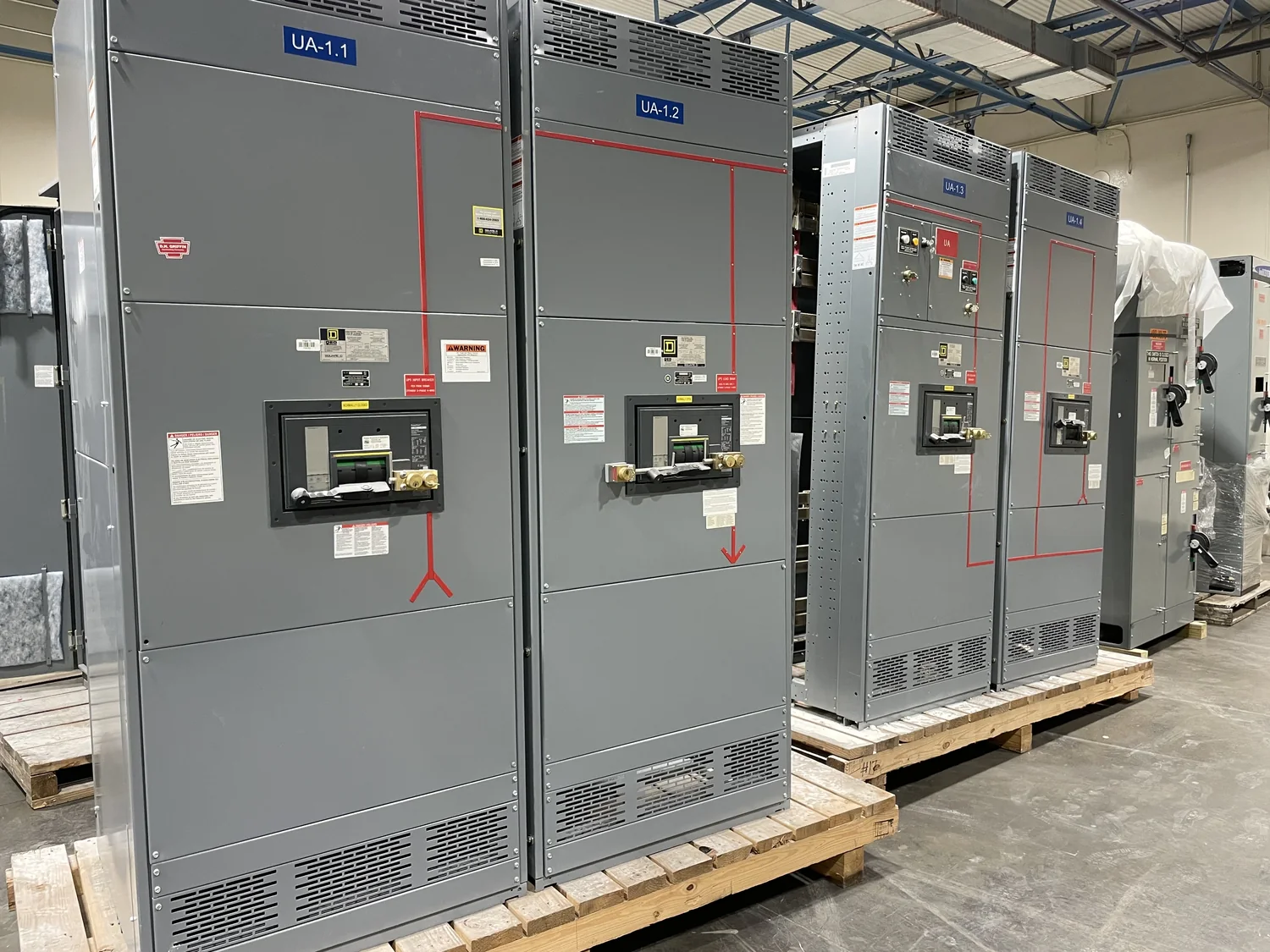
Send clear, current photos of the full lineup and its surroundings, along with close-ups of each available nameplate. Nameplates can help identify the equipment and its stated ratings; do not guess or infer details from appearance if a label is unreadable. Photograph the lineup from multiple angles, including visible sections, doors, connected or adjacent equipment, and any components that may be included in the sale. If equipment is incomplete, altered, or missing parts, describe that plainly.
Provide lineup dimensions, including overall length, height, and depth where measurable, plus relevant clearances above and around the equipment. Note whether the lineup appears to be one assembly or separate sections, and whether any parts have already been removed. Dimensions and photos help assess possible crane and rigging needs, turning space, lifting path, loading position, and the freight arrangement. They do not replace a site review where access or removal conditions are uncertain.
Also identify what is included in the proposed sale. This might include related sections or accessories, but the scope should be stated rather than assumed. Mention visible damage, storage conditions, prior dismantling, or restrictions on removing particular components. Do not open energized equipment or take photographs from a position that exposes anyone to electrical or other site hazards. Follow the facility’s safety rules and have qualified personnel determine what can be safely accessed.
Crane and rigging scope depends on the site
A crane may be appropriate when equipment cannot be moved safely through the building or when the available lifting path requires an outdoor pick. Whether a crane is needed—and what type of lifting arrangement may be practical—depends on verified equipment information, the lift location, the route, available setup space, and site conditions. Rigging scope can also depend on how the lineup is supported, whether it can be removed intact or must be separated, and how the equipment can be secured for loading. No particular crane, lift method, or equipment weight should be assumed before review.
Share the equipment’s location within the facility and describe the route from its present position to the loading area. Relevant details may include door and corridor clearances, stairs or level changes, elevators, overhead obstructions, floor or dock access, outdoor staging space, and potential limits on vehicle or crane positioning. If known, explain whether access is shared, restricted to certain hours, or subject to building or facility coordination. For a site in Washington, DC, Northern Virginia, or Maryland, local traffic, building access, and scheduling constraints may affect coordination; the actual conditions must come from the seller or site contact, not assumptions about the location.
Photographs of the route and loading area can help identify questions to resolve before scheduling. The buyer handles crane, rigging, loading, freight, and hauling costs, with the specific scope and responsibilities confirmed for the project. This does not mean every lift or access condition can be accepted without review. Site access, timing, equipment condition, and the agreed removal plan all affect what can be arranged.
Coordinate ownership, disconnects, and removal timing
Before an offer or removal plan is finalized, provide the equipment’s ownership and authority-to-sell details. Confirm who can approve access and removal, who will coordinate with the facility, and whether any third-party, tenant, lender, or property restrictions may apply. Accurate ownership information helps prevent scheduling a removal before the seller has authority to release the equipment. Also identify any site requirements for insurance documents, contractor onboarding, escorts, work hours, staging, or advance notice; these should be confirmed rather than presumed.
Switchgear must not be disconnected or handled by unqualified personnel. De-energization, isolation, and disconnect work must be performed by qualified personnel under the site’s safety procedures and outage requirements. Coordinate the responsible personnel, required approvals, outage window, and timing with the facility before removal is scheduled. The buyer’s crane and hauling scope does not authorize anyone to bypass the site’s electrical safety process or perform work outside their qualifications.
Make removal constraints explicit: whether the equipment must remain in place until a particular date, whether the site has limited access windows, what areas must remain clear, and whether the seller or facility requires advance coordination. Timing should be agreed around the project’s actual access and safety conditions. Do not assume that an accepted offer automatically establishes a removal date; the parties should confirm the schedule and responsibilities before mobilization.
Request an offer with a review-ready package
A useful initial package includes clear equipment and nameplate photos, lineup dimensions, a description of completeness and condition, ownership and authorization details, and information about the route, loading area, access rules, and removal constraints. Include the site’s known disconnect and outage coordination requirements without asking unqualified staff to perform electrical work. If some details are unavailable, say so; the buyer can indicate what additional information is needed to review the equipment and project.
After review, the buyer can make a cash offer. The seller is not required to test the switchgear. If the offer is accepted, payment is arranged upfront, and the buyer handles crane, rigging, loading, freight, and hauling subject to the agreed project arrangements and site access. The final price and scope depend on review of the specific equipment and removal conditions, so a preliminary description or photograph should not be treated as a guaranteed valuation or commitment to a particular lift plan.
For sellers across Washington, DC, Northern Virginia, and Maryland, the most practical next step is to assemble the equipment details and access information before requesting scope. A clear package makes it easier to discuss what is included, what must be coordinated at the site, and which logistics need confirmation before removal. Final arrangements should be documented with the people authorized to approve the sale and coordinate the facility work.