A practical route for data center switchgear decommissioning
When a data center in Washington, DC, Northern Virginia, or Maryland is being decommissioned, expanded, or reorganized, switchgear disposition is one part of a larger project. A buyer can consider surplus switchgear for purchase, but the equipment, ownership, access, schedule, and removal plan need review before the scope or an offer is set. This page is for organizations looking to sell equipment; the buyer buys equipment and does not sell or install it.
Data center electrical lineups can be integrated into site-specific infrastructure, and equipment may be connected to systems that must remain available while other parts of a facility change. That makes coordination as important as the asset description. Share what is known about the equipment and project constraints early, and have the facility team coordinate any outage, isolation, or removal work under its established safety procedures. No seller testing is required for an initial review, and all voltage classes are considered.
What to provide for an initial review
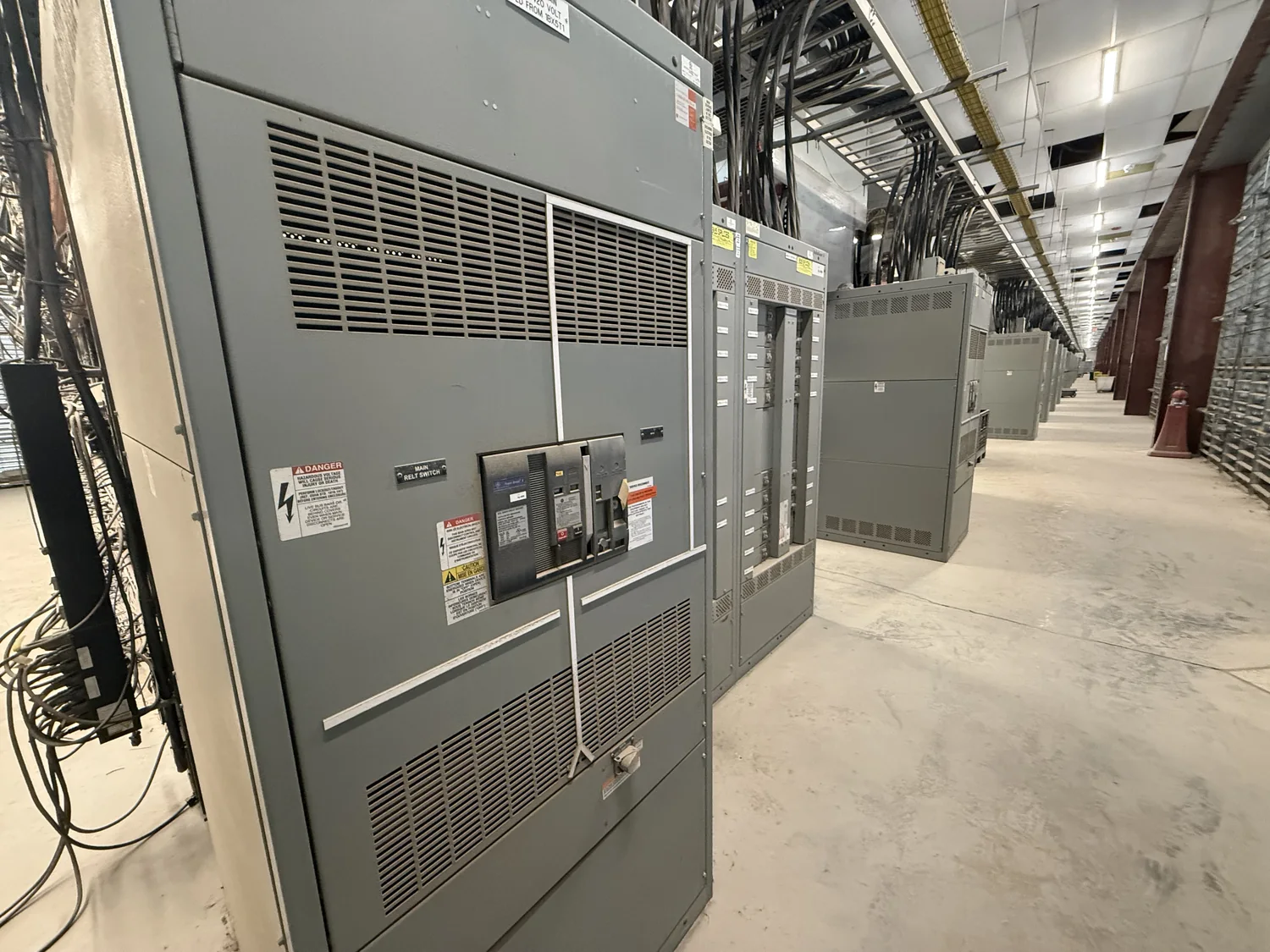
Clear, well-lit photos help establish what is present before anyone plans a site visit or removal. Useful images include the overall lineup, each section or cubicle, front and rear views where accessible, visible bus or cable compartments, and any labels or accessories. Do not open energized compartments or enter restricted areas to take photos. Follow facility access rules and have qualified site personnel determine what can be photographed safely.
Include legible nameplate photos for each lineup or major section, along with any available equipment schedules, drawings, or inventory lists. Nameplate information can help identify manufacturer, model, serial number, ratings, and other configuration details, but the buyer will review the actual information rather than assume a specification from the facility type or a partial label. Note missing, damaged, modified, or unreadable labels; do not guess at ratings.
Provide approximate lineup dimensions, including height, width, and depth, and note the number of sections if known. A simple layout or marked-up drawing can help show how the equipment is arranged and where it sits in relation to doors, corridors, loading areas, and other equipment. Also describe what is included or excluded—such as breakers, relays, metering, bus components, control equipment, barriers, or spare parts—so the review reflects the actual package. Completeness and condition can affect whether an offer is possible and how removal should be scoped; neither a photo set nor an inventory alone guarantees a purchase or a particular price.
Ownership, access, and project timing
Before an offer can be considered, clarify who owns the switchgear and who is authorized to approve its sale. If the equipment is leased, financed, subject to a contractual restriction, or owned by another party, resolve the relevant authority before arranging disposition. Identify the facility contact responsible for coordinating the project and the person who can confirm site access and removal requirements.
For projects across the DC region, access and scheduling should be discussed site by site rather than assumed from the general location. Share the facility’s target dates, any outage or decommissioning windows, delivery or loading restrictions, escort or badging requirements, and limits on work hours if known. Mention whether access involves controlled entrances, constrained corridors, stairs, elevators, docks, or limited staging space. These details help establish whether the proposed removal approach and timing are workable; they do not establish a fixed schedule until the project is reviewed.
If equipment is being removed in phases, identify which sections are available and when. Specify whether adjacent systems or occupied areas must remain in service, whether other contractors will be working nearby, and whether the site has requirements for debris, packaging, floor protection, or restoration. The buyer and seller should confirm project responsibilities and access arrangements before removal is scheduled.
Safe, coordinated removal and logistics
The buyer handles crane service, rigging, disconnects, loading, freight, and hauling, subject to the agreed project arrangements and actual site access. Responsibilities, methods, timing, and any site-specific conditions should be confirmed before removal. Share practical constraints such as overhead clearance, equipment-room access, turning space, crane setup limitations, loading-dock availability, and the route from the lineup to the loading area. If the equipment must be broken down or moved in sections, that should be discussed during scope review rather than presumed.
Only qualified personnel may perform de-energization, isolation, and electrical disconnect work. These activities must follow the facility’s safety, outage, and authorization procedures and be coordinated with the project team. Sellers should not ask unqualified personnel to disconnect, open, move, or otherwise handle electrical equipment. Agree on who coordinates the site’s electrical work and when the equipment will be made available for removal; the buyer’s handling of disconnects is still subject to those arrangements and qualified-person requirements.
Condition and accessibility should be described candidly. Note whether equipment is intact, partially dismantled, exposed to water or contamination, missing components, or already disconnected, and explain any known restrictions on lifting or movement. Do not remove components or alter the lineup solely to prepare it for sale unless that work has been agreed as part of the project. The removal plan should account for the facility’s procedures and the equipment’s actual configuration.
Offer and payment process
After reviewing the photos, nameplates, lineup dimensions, completeness, ownership and access information, the buyer can determine whether it can make an offer and what additional review may be needed. A final price cannot be established from the page alone; it depends on the equipment presented and the project scope. The seller is not required to test the switchgear as a condition of submitting information for review, although available records and an accurate description can make that review more useful.
The buyer can make cash offers. If an offer is accepted, payment is arranged upfront, with the specific payment and removal arrangements confirmed between the parties before the project proceeds. The buyer pays the crane, rigging, loading, freight, and hauling costs, with responsibilities confirmed in advance and subject to project arrangements and site access. Share the essential information together where possible, then coordinate any follow-up questions, access review, offer, payment, and removal timing with the appropriate facility and project contacts.