Plan switchgear disposition early in a data center closure
A data center closure or changeout can put switchgear on a tight schedule: the equipment may need to remain in place through an outage, transition, or final operating period, while removal depends on a separate sequence of approvals and site work. Planning disposition early helps establish what is being offered, who has authority to transfer it, and when the equipment can be made available without disrupting facility operations.
This buyer serves Washington, DC, Northern Virginia, and Maryland, and buys electrical equipment; it does not sell equipment. A business preparing for closure, decommissioning, or a switchgear changeout can share the available information for review and request a cash offer. There is no seller testing requirement. The buyer considers all voltage classes, but an offer and removal scope depend on reviewing the specific equipment and project details. No final price or removal plan should be assumed before that review.
Start discussions while the facility team can still identify the equipment and confirm its disposition status. A target closure date by itself is not enough to set a removal schedule. The parties will need to coordinate equipment availability, outage and safety procedures, building access, removal sequencing, and any restrictions imposed by the facility or property owner. Early coordination can also reveal whether a proposed pickup window is workable for the site.
Build a clear equipment record before setting scope
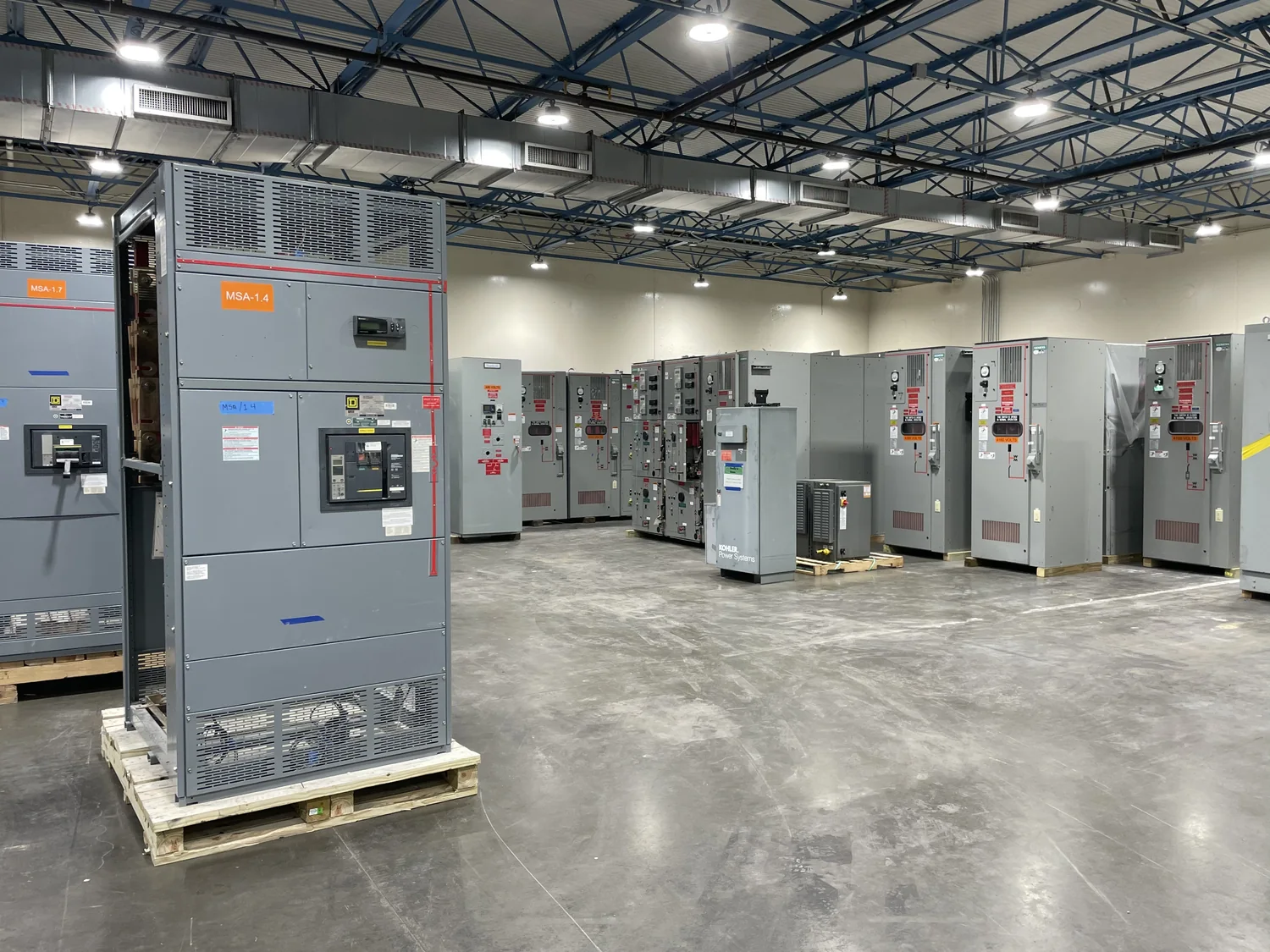
Provide clear, well-lit photos of the switchgear, including overall views of each lineup and closer views of nameplates and visible labels. If equipment is in multiple rooms or sections, identify which photos correspond to which lineup. Nameplate information may help describe the equipment for review; do not guess at unreadable details or rely on a general facility description in place of the labels. The buyer considers all voltage classes, so a seller does not need to screen equipment out based on voltage class before making an inquiry.
Include lineup dimensions and, where practical, the dimensions and approximate weight of individual sections if that information is available from records or qualified personnel. Note the number of sections, whether sections are connected as a lineup, and whether any parts appear missing, separated, damaged, or altered. Share available information about breakers, compartments, control components, bus connections, doors, panels, and accessories, without assuming that any particular item is included in the purchase. Completeness and condition can affect the scope and evaluation, so describe what is present and what is not known.
A simple inventory can keep the review organized: equipment identification, room or area, lineup length and height, section count, available nameplate details, visible condition, and known missing components. Add recent photos that show working clearance and the route from the equipment area toward the loading point. This does not replace an on-site assessment when one is needed, but it helps the parties identify questions before agreeing on scope.
Confirm ownership, site authority, and access conditions
Before equipment is offered, confirm who owns it and who can authorize its sale and removal. In a closure involving a tenant, owner, operator, lender, contractor, or other interested party, responsibilities and approvals may not sit with one person. The seller should be prepared to identify the authorized decision-maker and explain any known restrictions on transferring the equipment, entering the site, or scheduling removal. Do not treat equipment being scheduled for replacement as proof that it is available for sale.
Access details are important across the Washington, DC region, where a project may involve controlled entrances, loading docks, service corridors, elevators, restricted hours, parking or staging limits, and building or campus security procedures. Share the facility location at the appropriate level for initial review, the equipment-room location, the proposed access route, and any known limits on vehicle size, equipment staging, or working hours. The buyer does not claim a local office based on serving the region; site-specific arrangements must be confirmed for the project.
Describe the removal path from the switchgear room to the loading area, including door and corridor clearances, turns, floor transitions, stairs or elevators, and any overhead or structural constraints that are known. Explain whether other equipment, stored materials, or ongoing operations could affect access. If measurements are uncertain, identify them as estimates and arrange for qualified site personnel to verify critical clearances before removal planning is finalized. Access and removal constraints can shape what methods and timing are practical.
Coordinate disconnection, outage procedures, and removal
Switchgear must not be disconnected or handled by unqualified personnel. De-energization, isolation, verification, and disconnect work must be performed by qualified personnel in accordance with the facility’s safety requirements and outage procedures. The seller should coordinate the required work with the site team and any responsible electrical contractor; the buyer’s purchase review does not replace the facility’s electrical-safety process or authorize work on energized equipment.
Agree on the sequence and division of responsibilities before a removal date is set. Confirm when the equipment will be released, what must happen before it can be accessed, who will approve the outage and work window, and how the site will communicate that the equipment is ready for removal. Timing may depend on continued facility operations, changeout milestones, shutdown plans, security clearance, and access to loading areas. These details should be coordinated directly for the project rather than inferred from a closure date.
The buyer handles crane, rigging, disconnects, loading, freight, and hauling, subject to project arrangements and site access. Responsibilities and scope must be confirmed before removal. In particular, coordinate disconnect work with qualified personnel and the site’s procedures, and establish how the equipment will be made accessible for the buyer’s removal activities. Crane or rigging needs depend on the equipment, route, building conditions, and available lifting access; no particular method should be assumed before those conditions are reviewed. The seller should not arrange or perform hazardous handling on the assumption that removal is routine.
Review the offer and payment arrangements before release
Once the buyer has reviewed the equipment information and relevant project details, the parties can discuss a cash offer and the proposed removal scope. The offer is subject to review; photographs or an initial inventory are useful starting points, not a guarantee of price or acceptance. Changes in the stated equipment, completeness, access, ownership authority, or removal conditions may require further discussion before the scope is settled.
If an offer is accepted, payment is arranged upfront. Confirm the payment arrangement and the authorized seller before equipment is released, and make sure the agreed scope and project responsibilities are clear to the people coordinating the closure. The buyer pays the crane, rigging, loading, freight, and hauling costs, with responsibilities confirmed before removal. No seller testing is required, though available records, photos, and accurate identification can help the buyer evaluate the equipment.
For an efficient first review, send clear lineup and nameplate photos, dimensions, section count, known completeness or missing components, ownership and authorization details, facility access information, and the anticipated availability window. Include any known outage, security, loading, or removal restrictions. With those details, the buyer can assess the opportunity and identify what else needs to be confirmed before an offer or project schedule is finalized.