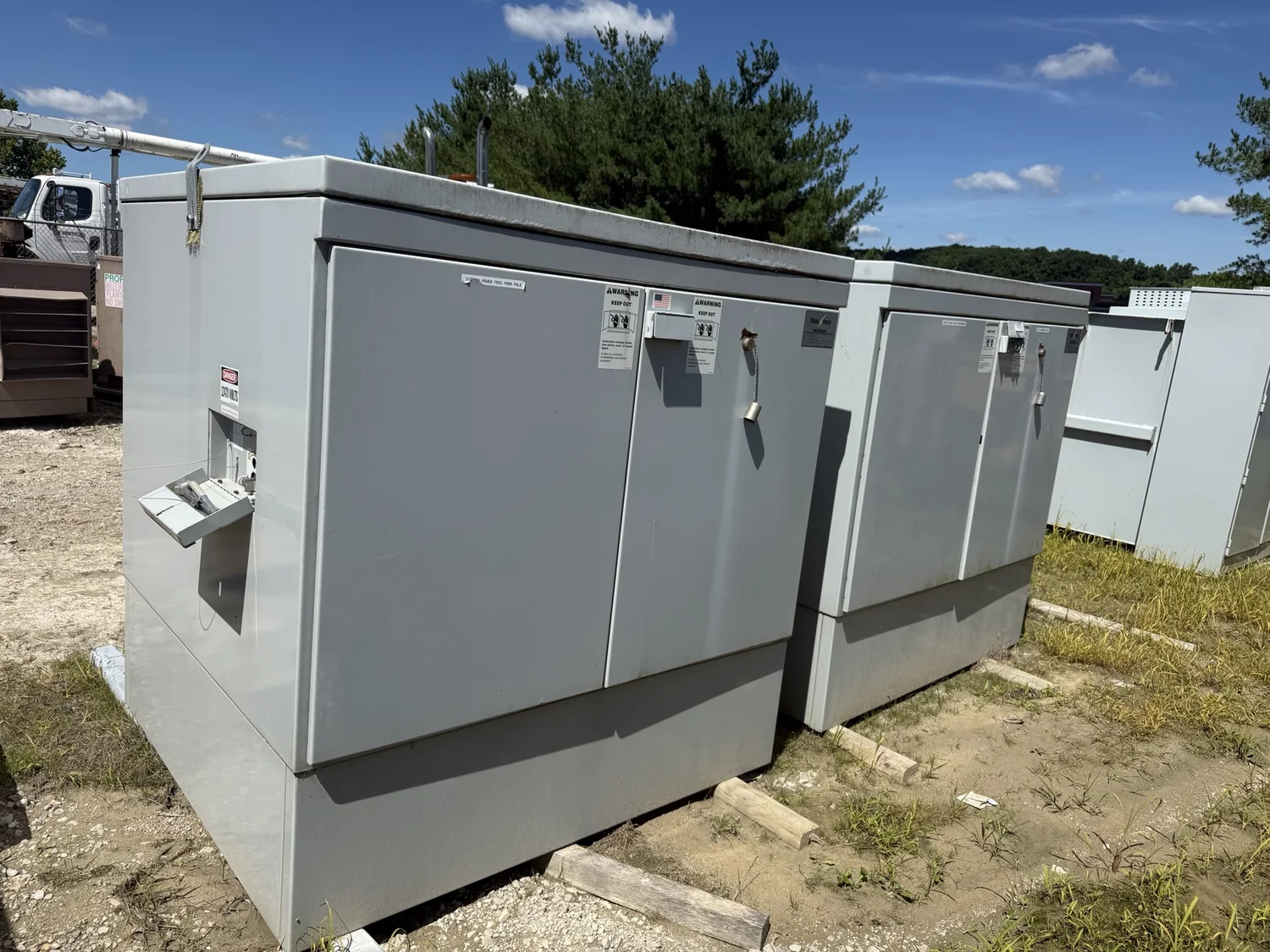
We Buy Used Switchgear in Ashburn, Virginia
If your facility in Ashburn, Virginia, has used switchgear to sell, we can review it for purchase. We buy switchgear; we do not sell equipment. We consider all voltage classes, and the seller does not need to test the gear before requesting a review. We can make a cash offer, and when an offer is accepted, payment is arranged upfront. The equipment, project scope, and removal plan must be reviewed before a final offer or schedule is set.
A useful first step is to send clear photographs, any available nameplate information, approximate lineup dimensions, and a brief description of the equipment’s condition and completeness. Include what is known, and identify what is not. Incomplete records are common enough to plan around: a missing rating, unreadable label, or uncertain component should be documented as unknown rather than filled in by guesswork. This gives us a sounder basis to assess the equipment and determine what additional information may be needed.
Photographs and Records That Help Define the Scope
Photograph the switchgear from several useful viewpoints: a wide view of the full lineup, the front of each section, visible sides and rear areas where accessible, and close-ups of each readable nameplate. If a nameplate is faded, obstructed, or missing, take a photo showing its location as well as any nearby labels or markings. Do not remove covers or enter restricted areas to obtain images. Follow the facility’s access rules, and have qualified site personnel determine what can be photographed safely.
When records are incomplete, send the available material together rather than waiting for a perfect package. Useful documents may include equipment schedules, drawings, prior inventories, or records identifying the lineup and its sections. Label files by lineup or section if that information is known, and note when a label or document cannot be matched confidently to a particular component. Avoid inferring manufacturer, ratings, internal configuration, or condition from appearance alone. Clear notes such as “not visible,” “record unavailable,” or “rating needs confirmation” help distinguish observed facts from unresolved questions.
Approximate dimensions can help establish handling and transport needs. If available, provide the lineup’s overall length, height, and depth, along with section widths or the dimensions of individual pieces if they may be removed separately. Identify whether measurements are estimated or verified, and mention any known obstacles that could affect movement. Photos and measurements support an initial review, but they do not replace a project-specific assessment of the equipment and removal route.
Ownership, Completeness, and Equipment Condition
Before scope is set, be prepared to confirm who owns the switchgear and who has authority to approve its sale and removal. If equipment is leased, financed, shared, or otherwise subject to another party’s rights, clarify that status before proceeding. The person coordinating the sale should also identify the site contact who can discuss access, safety requirements, outage timing, and removal conditions.
Describe what appears to be included with the lineup, such as sections, breakers, doors, panels, or related components, but do not assume that a part is present simply because it appears in an old schedule. Note anything removed, stored separately, damaged, incomplete, or of uncertain association. Photos of loose or separately stored items can help establish what is being offered. If the operating history or condition is unknown, say so; seller testing is not required for us to consider the equipment, and no unsupported condition claim is needed.
The initial information helps determine whether the opportunity merits further review, but it is not a final valuation. An offer depends on the equipment details that can be established, its completeness and condition as represented, and the practical scope of access and removal. We will review the information before making an offer, and we do not guarantee acceptance or a particular price based only on a brief description or a few photographs.
Removal Planning and Ashburn Site Coordination
Removal planning should account for the actual facility and route rather than assumptions about a particular Ashburn building. Share the equipment location within the site, the available path from its installed position to the loading area, and any known restrictions involving doors, corridors, elevators, floor conditions, staging space, vehicle access, or working hours. If there are security procedures, booking requirements, delivery-yard rules, or limited access windows, include them early so responsibilities and timing can be coordinated for the project.
The buyer handles crane, rigging, disconnects, loading, freight, and hauling, subject to project arrangements and site access. The parties should confirm the removal scope, access conditions, timing, and responsibilities before work is scheduled. Whether a crane or a different lifting approach is appropriate depends on the equipment and site conditions; it should not be assumed before those details are reviewed. Any site-specific cost or constraint that falls outside the agreed scope should be addressed before removal proceeds.
Electrical equipment must not be disconnected or handled by unqualified personnel. De-energization, isolation, and disconnect work must be performed by qualified personnel under the facility’s safety rules and outage procedures. Coordinate required approvals, outage windows, and site supervision with the appropriate facility representatives. The buyer’s responsibility for disconnect work does not override the site’s safety requirements or make it appropriate for the seller to perform work without qualification.
Offer, Upfront Payment, and Next Steps
Once the equipment information and project logistics have been reviewed, we can determine whether to make a cash offer. If you accept an offer, payment is arranged upfront. The removal plan and payment arrangements should be confirmed before the project is carried out, along with the agreed equipment included in the sale and any access or scheduling conditions. No final price or removal schedule should be assumed until the relevant details have been reviewed and coordinated.
To start, send clear equipment photographs, readable nameplate images where available, approximate lineup dimensions, a list of known included or missing components, and any records that help identify the gear. Add the ownership contact, site access information, and known restrictions on disconnecting, moving, staging, or loading the equipment. For every detail you cannot verify, mark it as unknown rather than guessing. This straightforward package gives us a practical starting point for reviewing used switchgear at your Ashburn facility and discussing the next steps for a possible purchase and removal.