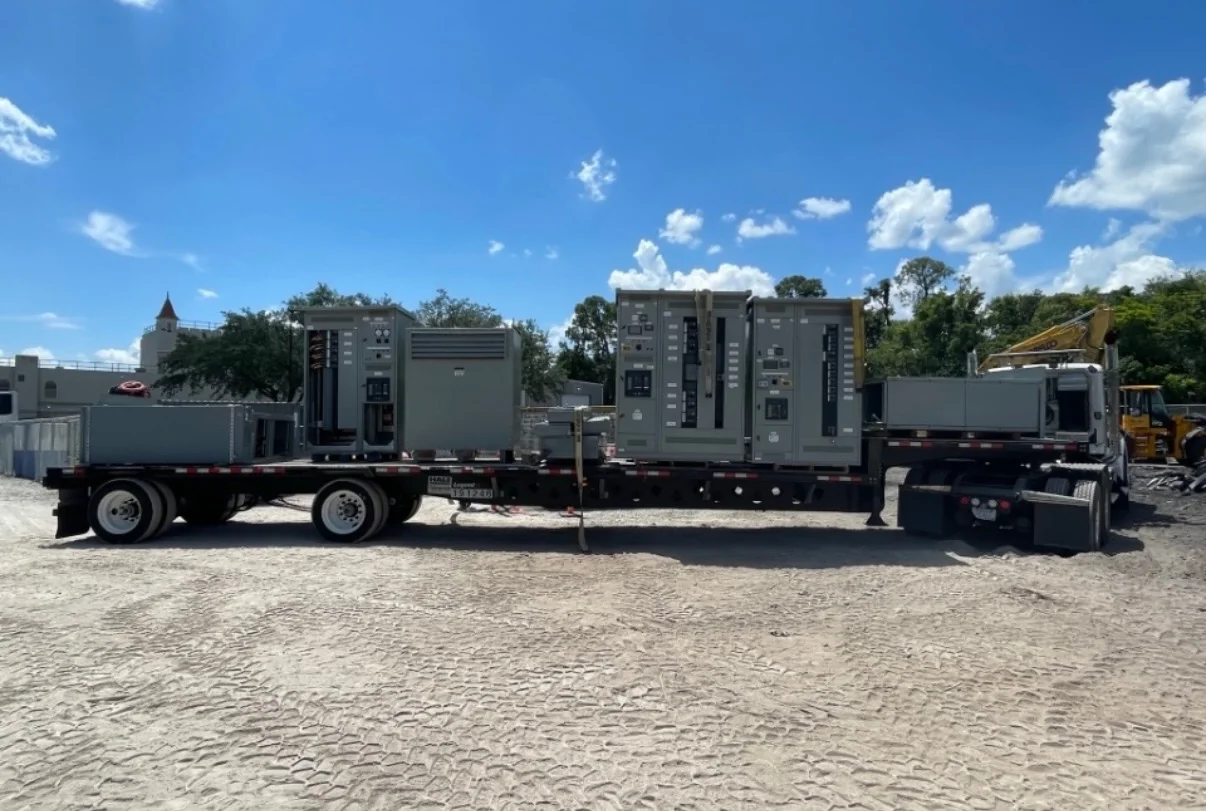
Sell Surplus Switchgear in Frederick County, Maryland
When switchgear is no longer needed, selling it can be one part of closing out a project, clearing a former equipment room, or making space for a new installation. The first step is to identify what is available and share enough information for a buyer to review the equipment and plan a safe, practical removal. For sellers in Frederick County, Maryland, the same approach applies whether the equipment is at an operating facility, a renovation site, or a location being prepared for another use.
We buy surplus switchgear and consider equipment across all voltage classes. We can make a cash offer, and payment is arranged upfront if you accept it. The seller does not need to test the equipment. An offer and removal plan depend on review of the specific assets, their condition and completeness, ownership, and the work required to reach and remove them. A description alone is not enough to set a final price, so clear photos and basic project details are useful before scope is agreed.
Start with Photos, Nameplates, and Lineup Details
Send clear photos of the overall lineup, individual sections, doors, visible components, and any loose or separately stored items included in the sale. Include readable nameplate images wherever possible. Nameplates help identify the equipment and its ratings; they are reference information for review, not a request for the seller to perform testing. If labels are damaged, inaccessible, or missing, note that rather than trying to open energized equipment or disturb components to find them.
Provide the approximate lineup dimensions, including overall length, height, and depth, and indicate how many sections are included. If you have a layout or equipment schedule, it may help clarify the configuration, but it is not a substitute for photos and a site discussion. Describe what appears to be included—such as sections, breakers, or other associated parts—and identify anything that is excluded, disconnected already, incomplete, or stored separately. These details help avoid confusion about what an offer covers and what must be handled as a separate item.
Also share the equipment’s known status and history, if available: whether it is surplus, removed, stored, or still installed; whether parts are missing; and whether any damage or access limitations are apparent. No seller testing is required. Do not energize equipment, remove covers, or inspect internal components for the purpose of preparing a sale. Any inspection or work that could expose electrical hazards belongs to qualified personnel following the site’s procedures.
Confirm Ownership, Access, and Removal Constraints
Before an offer is finalized, establish that the seller has the authority to sell the switchgear and can transfer it as agreed. If ownership or disposition approval involves a property owner, contractor, lender, tenant, or other party, resolve that authority before scheduling removal. Clarify whether the equipment is being sold as a complete lineup or in identified sections, and make a written record of inclusions and exclusions so everyone can work from the same scope.
Access is just as important as equipment identification. Share the site location, available entry route, doorway and corridor clearances, floor or loading-area constraints, and any known restrictions on vehicles, lifting, or work hours. Note whether the lineup is on a raised floor, in a confined room, near other equipment, or behind obstacles. Photos of the route from the equipment room to the loading point can help reveal issues that a lineup photograph will not. These are planning questions, not assumptions about any particular Frederick County facility.
Agree on site access, timing, and removal responsibilities before work begins. The buyer handles crane, rigging, disconnects, loading, freight, and hauling, subject to the project arrangements and site access. The specific method and sequence depend on the equipment, the building, the route out, and the site’s requirements. Confirm who provides access, who coordinates with facility representatives, and when the work may take place. No one should attempt to disconnect, move, or handle electrical equipment unless qualified and authorized to do so.
Coordinate a Safe Handoff from the Equipment Room
For switchgear cleared from a former equipment room, the closing sequence should be deliberate. First, confirm the accepted offer, the equipment included, payment arrangements, and the agreed removal scope. Then coordinate the work window with the site and ensure that qualified personnel handle de-energization, isolation, and any disconnect work under the facility’s safety and outage procedures. The buyer’s responsibility for disconnects does not replace the site’s control of its electrical safety process or authorize unqualified work.
Next, verify that the agreed access route and staging area will be available at the scheduled time. Coordinate any required site check-in, escort, delivery or lifting arrangements, and restrictions on work hours in advance. The buyer arranges and pays for crane, rigging, loading, freight, and hauling, with the actual plan confirmed for the project. Costs and responsibilities should be clear before removal rather than left to interpretation on site. If access, equipment scope, or timing changes, pause and agree on the revised plan before proceeding.
At handoff, the parties should confirm that the equipment removed matches the agreed scope and that the room and route can be left in the condition established by the project arrangements. The seller should not assume that removal includes unrelated demolition, repair, or cleanup unless those items have been expressly discussed and agreed. A clear record of what was taken, any excluded materials, and completion of the planned transfer helps close out the disposition without confusing the equipment sale with other site work.
Request an Offer and Set the Removal Plan
To request a review, prepare the nameplate and equipment photos, approximate lineup dimensions, a description of completeness, confirmation of ownership authority, and details about access and removal constraints. Include the preferred timing and any site procedures that will affect scheduling. If information is not available, say so; an incomplete record can still begin a conversation, but the missing details may need to be resolved before the scope and logistics can be confirmed.
After reviewing the information, we can discuss the equipment and make a cash offer when appropriate. There is no requirement for the seller to test the switchgear, and we consider all voltage classes. Any offer remains subject to review of the particular equipment and agreed scope; a final price cannot be responsibly determined from the location or a general description alone. If the offer is accepted, payment is arranged upfront. The buyer pays the crane, rigging, loading, freight, and hauling costs, with project responsibilities confirmed before removal.
A well-planned sale connects the equipment review to a safe, coordinated handoff: establish what is included, confirm the seller’s authority, arrange upfront payment, and align access and timing with the site’s procedures. This practical sequence works for sellers across Frederick County and the wider Washington, DC, Northern Virginia, and Maryland service area, without assuming a local office or any particular facility conditions.