Distribution Panel Removal Planning for DC-Area Sellers
Planning the removal of distribution panels starts with a clear picture of what is being offered and what the site can accommodate. For sellers in Washington, DC, Northern Virginia, and Maryland, building access, loading routes, work windows, and coordination with facility operations can all affect how a project is scoped. Conditions vary from one property to another, so an initial review should establish the equipment’s identity and condition as well as the practical limits on access and removal.
This is a purchase-only service: the buyer reviews distribution panels offered by the seller and may make a cash offer after reviewing the available information. No testing is required from the seller. If an offer is accepted, payment is arranged upfront, with timing and payment details confirmed before removal. The buyer handles crane, rigging, loading, freight, and hauling, subject to project arrangements and site access. Responsibilities, timing, and removal scope should be agreed before work is scheduled; an initial discussion is not a final price or a commitment to buy.
Build a Useful Equipment Record Before Scope Is Set
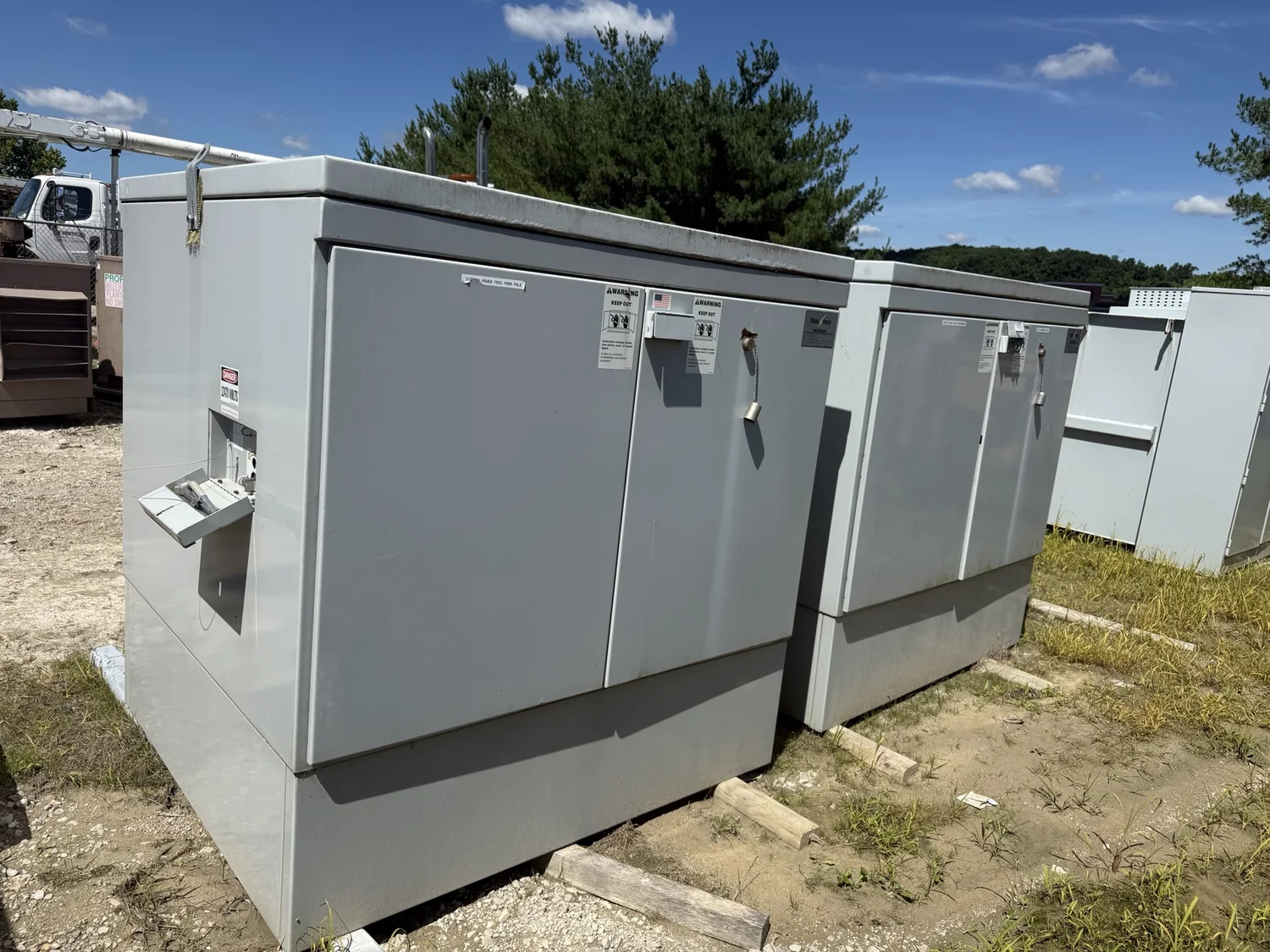
Start with clear, well-lit photographs of each panel or lineup. Where possible, include full exterior views, close-ups of nameplates, visible labels, doors, sections, and any apparent damage or missing parts. Avoid opening energized equipment or reaching inside to obtain images. Photos should be taken only from locations that the seller is authorized to access and in accordance with the site’s safety rules. If the equipment is already safely accessible, photographs of the interior may help, but the seller does not need to perform testing or unsafe inspection to support a review.
Record the nameplate information that is visible, along with the number of sections, overall lineup dimensions, approximate weight if known, and any available drawings or inventory records. Ratings and configuration may be relevant to the review, but do not guess at specifications when a label is unreadable or information is unavailable. The buyer considers all voltage classes; that does not mean every panel will be purchased, since any decision depends on review of the equipment and project details.
Describe completeness as accurately as possible. Note whether sections, covers, doors, trim, internal components, accessories, or related documentation appear to be present, and identify anything removed or altered. Include known condition issues such as corrosion, water exposure, visible damage, or incomplete assemblies without attempting to diagnose them. A straightforward account helps identify questions early and reduces the chance that removal assumptions will differ from the equipment actually offered.
Confirm Ownership, Access, and Site Constraints
Before setting a removal scope, confirm who owns the panels and who has authority to approve their sale and release. If the equipment is part of a larger facility or project, identify the party responsible for site access, outage coordination, and any required approvals. The buyer should not be asked to proceed on equipment whose ownership or release authority is unclear. Asset-disposition records, internal approvals, and the person authorized to accept an offer are useful to establish before scheduling.
Access details matter in a regional project, but they should be described rather than assumed. Share the property’s general location, the expected route from the equipment to the loading area, relevant door or corridor clearances, floor or elevator limitations, loading-area conditions, and any access hours or check-in requirements. If a crane or other lifting arrangement may be needed, note potential setup constraints, overhead obstructions, restricted areas, and whether the site has rules affecting vehicle access. The buyer handles crane and rigging arrangements as part of the project, subject to site access and the scope agreed in advance; no particular lifting method should be presumed before the conditions are reviewed.
Also flag removal constraints such as nearby operating equipment, limited working space, restricted parking or staging, security procedures, building rules, noise limits, and coordination with other contractors. In DC, Northern Virginia, and Maryland, travel distance alone does not determine whether a removal is practical: the route, access window, equipment configuration, and site requirements all need to be considered together. Share constraints early so the parties can confirm whether the proposed schedule and logistics are workable.
Coordinate Electrical Work and Removal Safely
The seller must not have unqualified personnel disconnect, move, or handle electrical equipment. De-energization, isolation, verification, and disconnect work must be performed by qualified personnel under the facility’s safety procedures and applicable outage controls. The site—not an assumption based on a purchase discussion—determines who is authorized to perform that work and when it can occur. Coordinate the required outage, isolation boundaries, access permissions, and readiness date with the facility team before removal is scheduled.
The buyer handles the agreed removal logistics, including loading, freight, and hauling, and coordinates crane and rigging arrangements as applicable. Disconnect responsibilities and any preparatory work should be explicitly confirmed for the project rather than inferred from the phrase “buyer handles removal.” The scope should state what must be completed by qualified site personnel before the buyer’s removal work begins, who will provide access, and what conditions would require work to pause or be rescheduled. No one should proceed if the site’s safety conditions or approvals are not in place.
Plan for the actual equipment dimensions and route, not just the lineup’s nominal footprint. A panel that fits through an equipment-room doorway may still present challenges at a turn, corridor, elevator, threshold, or loading entrance. Confirm whether the lineup is to be removed intact or in sections only after the equipment and access have been reviewed; do not dismantle or alter it without agreement and appropriate qualified personnel. These details can affect labor, rigging, timing, and the freight plan, so they belong in the scope discussion before a removal date is set.
Offer Review, Payment, and a Clear Handoff
A practical submission includes the equipment photos, visible nameplate details, lineup dimensions, a completeness and condition description, ownership confirmation, and a concise account of access and removal constraints. Add the desired schedule, known outage windows, the site contact responsible for access, and any relevant documentation. If some information is unavailable, say so. A review can begin with what is known, but missing details may need to be resolved before an offer or removal scope can be finalized.
The buyer reviews the information and may make a cash offer; the final offer depends on the specific equipment and project review, not on a general category description or an unverified estimate. The seller is not required to test the panels. If the seller accepts an offer, payment is arranged upfront before removal, with the payment process and timing confirmed between the parties. The buyer pays the crane, rigging, loading, freight, and hauling costs, while the parties confirm project responsibilities and any site-specific arrangements before work begins.
A smooth handoff depends on matching the accepted equipment to the removal plan. Confirm which panels and sections are included, what must remain in place, who will complete qualified electrical disconnection, when the area will be available, and how the buyer’s crew and equipment will reach the loading point. Reconfirm access and timing close to the scheduled work, especially if a facility outage or other contractor is involved. Clear records and early coordination help sellers across the DC-area service region evaluate a purchase without assuming facts about the property, the panel’s specifications, or the availability of a particular removal method.