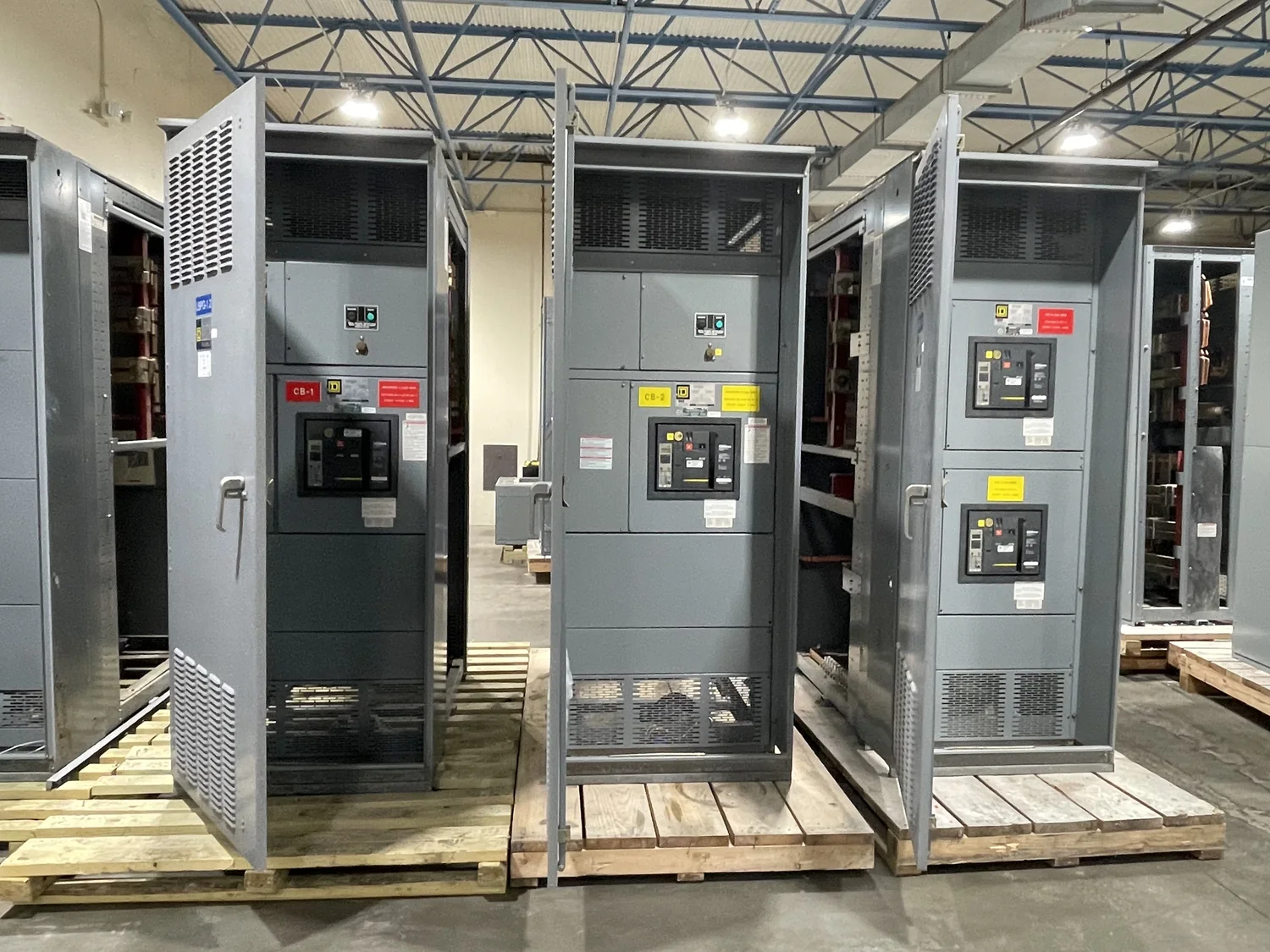
Sell Surplus Switchgear in the District of Columbia
When a facility project leaves switchgear unused, disposition is one more task to fit into an already crowded closeout schedule. A clear plan can help the owner coordinate equipment release, payment, and removal while limiting disruption to ongoing operations. For surplus switchgear in the District of Columbia, begin by documenting what is available and identifying the people responsible for the equipment, the site, and any required outage or access approvals.
This business buys surplus switchgear; it does not sell equipment. It can make a cash offer after reviewing the available information, and payment is arranged upfront once an offer is accepted. The seller does not need to test the equipment. All voltage classes are considered, but that does not mean every unit or lineup will receive an offer: the equipment, ownership, condition information, completeness, and removal scope need review before terms can be set. No final price should be assumed before that review.
Prepare a useful equipment record
Start with clear photographs of the complete lineup and its individual sections. Include exterior views, visible compartments, ends of the lineup, and any loose or associated components. Photograph each accessible nameplate so its information can be read; avoid opening compartments or approaching equipment to take pictures if doing so would conflict with site rules or expose anyone to electrical hazards. If a nameplate is missing, obscured, or unreadable, note that rather than guessing at the equipment details.
Provide lineup dimensions, including approximate height, width, and depth, and clarify whether those measurements describe one section or the full assembled lineup. Note the number of sections and any known attached or separate components, such as control or metering sections, bus connections, or accessories, without assuming that any particular item is present. Record the available nameplate information, known ratings, and any available drawings or inventory records. These details help the buyer understand the equipment being offered; they do not replace a site-specific removal review.
Describe completeness as accurately as possible. Identify components that are missing, removed, damaged, or being retained by the facility, and distinguish equipment included in the proposed sale from items that are not. Share known storage or operating history if available, but do not present an unverified condition as confirmed. Testing is not required from the seller, and no one should energize or open equipment solely to prepare an offer. Photos, documents, and observations should be gathered only in ways allowed by the facility’s safety procedures.
Confirm ownership, release authority, and site access
Before an offer is finalized, establish who owns the switchgear and who is authorized to release it. A facility owner, contractor, property manager, lender, or other party may have a role in approving disposition; responsibilities should be clear before equipment is committed for removal. Identify any items that are excluded, any hold points in the closeout process, and the person who can confirm that the asset is ready to leave the site.
Access details matter as much as the equipment record. Explain where the lineup is located, how a removal crew and lifting equipment could reach it, and whether doors, corridors, stairs, elevators, loading areas, or other building constraints affect the route. Share available access windows, site check-in requirements, loading-area rules, and any known restrictions on vehicle size, staging, noise, or working hours. Do not assume a crane or rigging path is feasible from photographs alone; the practical plan depends on the specific building, equipment position, and site access.
For District of Columbia projects, coordinate the proposed schedule with the facility’s operations and closeout leads rather than relying on assumptions about local access or approvals. If the site has its own procedures, work windows, security requirements, or coordination steps, identify them early. The buyer can review those details with the seller as the project scope is developed; site arrangements and responsibilities should be confirmed before removal is scheduled.
Coordinate safe removal without disrupting operations
Switchgear must be de-energized, isolated, and disconnected by qualified personnel under the site’s safety and outage procedures. Do not ask unqualified staff to disconnect, move, or handle electrical equipment. The facility and its qualified personnel should determine what must be shut down, isolated, verified, or otherwise prepared, and when that work can occur. The buyer’s loading and hauling plan needs to fit the site’s authorized sequence; a proposed pickup time is not a substitute for the facility’s electrical-safety controls.
To protect ongoing operations, map the disposition steps against the closeout schedule. Identify the target date for asset release, the lead time needed for the site’s approvals and qualified electrical work, the window when the equipment can be accessed, and the period allowed for loading. Where work is near active operations, agree which areas must remain available and who will coordinate site access. If an outage or other operational change is needed, it must be planned and approved by the facility; do not presume that removal can happen while equipment remains in service.
The buyer handles crane, rigging, disconnects, loading, freight, and hauling, subject to the project arrangements and actual site access. The seller should still share known constraints and coordinate the facility’s qualified personnel and access approvals. Before work is booked, confirm in writing what the buyer will perform, what the site must provide or authorize, the equipment and components included, the removal route, timing, and any constraints that could affect the plan. These details help avoid mismatched expectations without promising that every site condition can be accommodated.
Align the offer, payment, and closeout sequence
Once the buyer has reviewed the photographs, nameplates, dimensions, ratings, completeness, ownership, access details, and removal constraints, it can determine whether to make an offer and what scope that offer covers. The review is project-specific: missing information, limited access, a complex lineup, or unclear removal conditions may require clarification before terms are established. A cash offer is not guaranteed, and an estimate should not be treated as a final price until the equipment and project scope have been reviewed.
If an offer is accepted, payment is arranged upfront. Confirm the payment timing and the accepted equipment scope before the asset is released, and coordinate those steps with the facility’s closeout and ownership procedures. The buyer pays the crane, rigging, loading, freight, and hauling costs, with responsibilities and arrangements confirmed before removal. The seller is not expected to arrange or pay those buyer-handled logistics costs, but the project still depends on agreed site access and the required qualified work.
A practical handoff keeps three milestones connected: written acceptance of the offer, authorized release of the switchgear, and the agreed loading window. Share a single point of contact for scheduling, confirm that the equipment is identifiable and accessible, and promptly communicate changes to access or timing. This approach gives a facility in the District of Columbia—and across the wider Washington, DC, Northern Virginia, and Maryland service area—a straightforward way to work surplus switchgear disposition into closeout without treating removal as an afterthought or assuming that ongoing operations can be interrupted.