Sell Surplus Switchgear in Fauquier County, Virginia
A phased switchgear changeout can leave equipment available for disposition at different times. Some sections may already be removed from service, while others still support the facility and must remain in operation until a later project stage. For Fauquier County businesses, a useful first step is to separate what is available now from what is expected to become surplus later. That distinction helps the buyer review the opportunity without treating the full lineup as immediately removable.
We buy surplus switchgear and can make a cash offer after reviewing the equipment and project details. If an offer is accepted, payment is arranged upfront. The seller does not need to test the equipment to request a review. We consider all voltage classes, but any offer depends on the specific equipment, its condition and completeness, ownership, and the practical requirements for removal. A review is not a guarantee of an offer or a final price; the equipment and scope must be assessed first.
This page is for sellers in Fauquier County and the broader Washington, DC, Northern Virginia, and Maryland service area. It does not imply that we maintain a local office in the county. Site access, travel, loading conditions, and coordination with other project work all affect how a removal can be planned, so share the location and scheduling context when requesting a review.
Identify What Is Available Now—and What Must Stay in Service
For a phased project, list each switchgear section or lineup segment separately and indicate its status: available now, scheduled for a future phase, or still required for ongoing service. If dates are tentative, say so. This prevents an early review from assuming that equipment still in use can be disconnected or collected on the first visit. It also gives the project team a practical way to revisit later-phase equipment when its availability is confirmed.
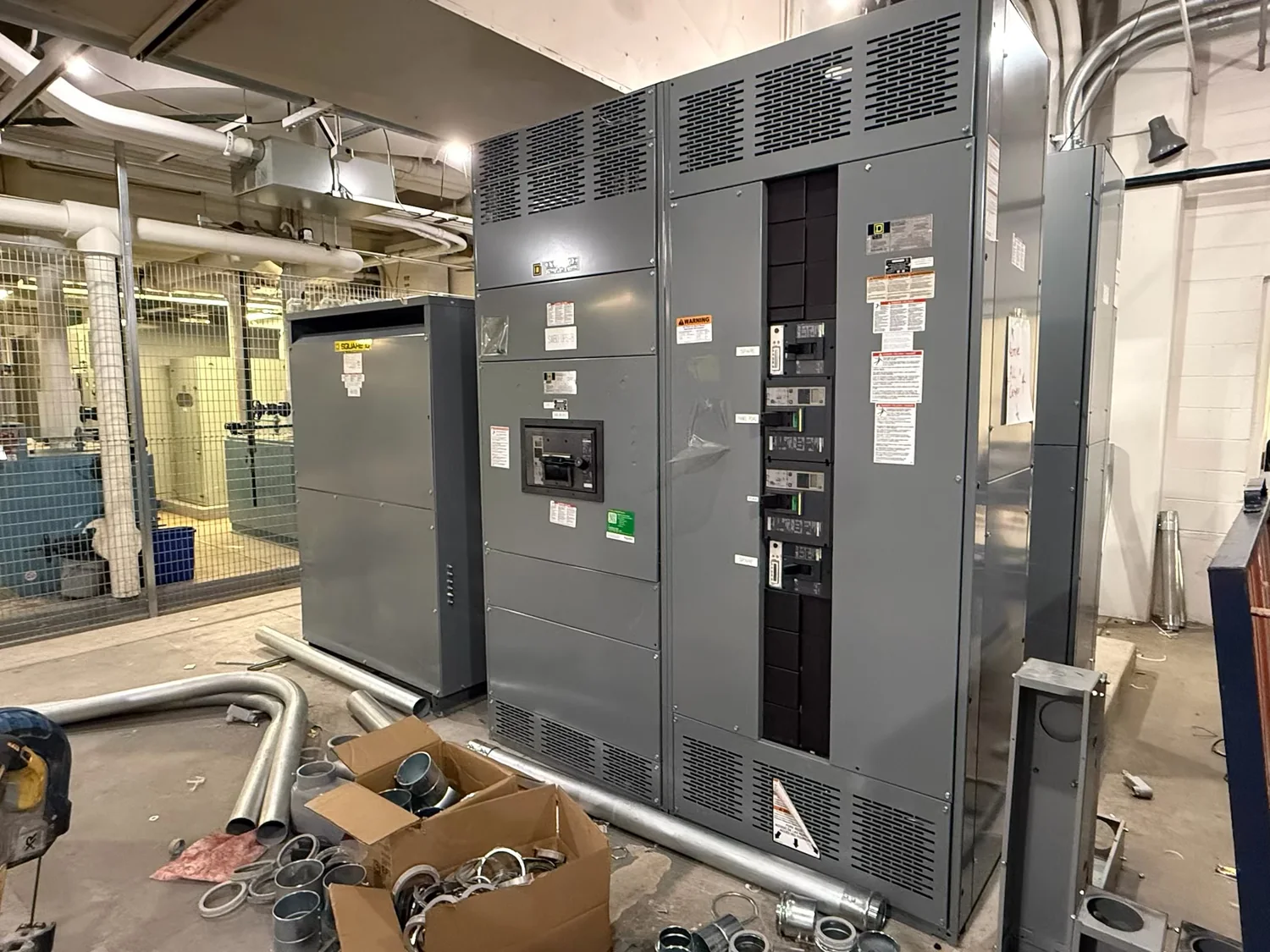
Describe the equipment at a high level without guessing at specifications. Clear photographs of the full lineup, individual sections, visible nameplates, and any attached or associated components can help establish what is present. Include readable nameplate images where possible, along with lineup dimensions and the number or arrangement of sections. If labels are missing, unreadable, or inconsistent, note that rather than inferring a rating or manufacturer detail.
Completeness can affect the scope. Explain whether doors, covers, internal components, breakers, accessories, or other parts appear to be present, and identify anything that has already been removed or is planned for reuse. These details are for review, not a request that unqualified personnel inspect energized equipment or open compartments. Take photographs only from safe, authorized locations and follow the site’s access and safety rules. A visual overview and available records are preferable to unsafe inspection.
Provide Ownership, Access, and Removal Details
Before scope is set, explain who owns the equipment and who is authorized to approve its sale and removal. If the equipment is part of a leased facility, shared property, contractor-controlled project, or another arrangement that affects authority, describe the approval path. The seller should confirm that the equipment is available for sale and identify any restrictions on when or how it can be removed. Do not assume that equipment described as surplus is automatically cleared for disposition.
Site access can shape the removal plan, particularly when the equipment is indoors, located above or below grade, near active operations, or reached through controlled doors or corridors. Share the route from the lineup to the loading area, relevant doorway or passage dimensions, approximate equipment dimensions, floor or grade changes, and any known limits on vehicle access or staging. Note site rules, restricted hours, escort requirements, and coordination needs with building operations or other contractors. These details help determine whether additional planning is needed; they do not substitute for a site-specific assessment.
Mention removal constraints such as nearby services, limited laydown space, overhead obstructions, narrow turns, loading-area restrictions, or work that must be sequenced around construction. If these conditions are unknown, say that a site review or coordination with the facility team may be needed. Do not move, disconnect, or prepare switchgear yourself unless you are qualified and authorized to do so.
Coordinate Qualified Disconnection and Project Timing
Any de-energization, isolation, and disconnect work must be performed by qualified personnel under the site’s safety procedures and outage plan. The buyer does not ask the seller to test the equipment, and a seller should not energize, open, disconnect, or handle switchgear to support a sale unless the work is within the person’s qualifications and authorization. Confirm who is responsible for disconnects and what approvals, switching steps, and site controls apply before setting a removal date.
For phased changeouts, coordinate equipment availability with the project schedule. Identify the outage or work window, the date the equipment can safely be released, and whether later sections will remain in service. Avoid scheduling removal based only on a construction milestone if the facility still needs the lineup or if site procedures require additional review. Timing should be agreed for the specific project, with access and any required facility coordination settled before crews or transport are scheduled.
The buyer handles crane, rigging, disconnects, loading, freight, and hauling, subject to project arrangements and site access. Responsibilities, sequence, and timing should be confirmed before removal. The seller remains responsible for providing accurate information, confirming authority to sell, arranging required site coordination, and ensuring that equipment is made available in accordance with the agreed plan. No removal approach should be assumed until access and scope have been reviewed.
Request a Review and Confirm the Scope
To start, provide the Fauquier County site location, a short description of the switchgear, clear equipment and nameplate photos, lineup dimensions, and an inventory of what is available now versus what belongs to a later phase. Add ownership and approval details, known completeness issues, site-access information, removal constraints, and the anticipated availability window. If several sections are involved, label the photos or list the sections so the current and future scope can be distinguished.
After reviewing the information, the buyer can discuss whether to make a cash offer and what additional details are needed to define the project. There is no need for seller testing. An offer is not a final price until the equipment and removal scope have been reviewed, and no outcome or schedule is guaranteed before project arrangements are confirmed. If an offer is accepted, payment is arranged upfront; the buyer pays the crane, rigging, loading, freight, and hauling costs, with responsibilities and access confirmed for the specific removal.
Clear early information helps both sides avoid confusion about which equipment is being sold, when it can be released, and what work must be coordinated at the site. In a phased changeout, keep the current-sale list separate from equipment that continues to serve the facility. Revisit later-phase equipment when its status and timing are known, and coordinate all electrical work through qualified personnel and the site’s established safety and outage procedures.