Sell Surplus Switchgear in Loudoun County, Virginia
If your business has surplus switchgear in storage in Loudoun County, a buyer can review the equipment for a potential purchase without requiring you to arrange testing. The review starts with the asset information, visible condition, completeness, ownership, and practical removal details. The buyer buys equipment only; it does not sell switchgear.
This page is for businesses considering disposition of stored switchgear in Loudoun County and the broader Washington, DC, Northern Virginia, and Maryland service area. Whether equipment is a complete lineup or separated into sections, share enough detail for an initial review before removal scope or scheduling is set. The buyer considers all voltage classes, but no final offer or removal plan should be assumed until the specific equipment and site arrangements have been reviewed.
Prepare the equipment details for review
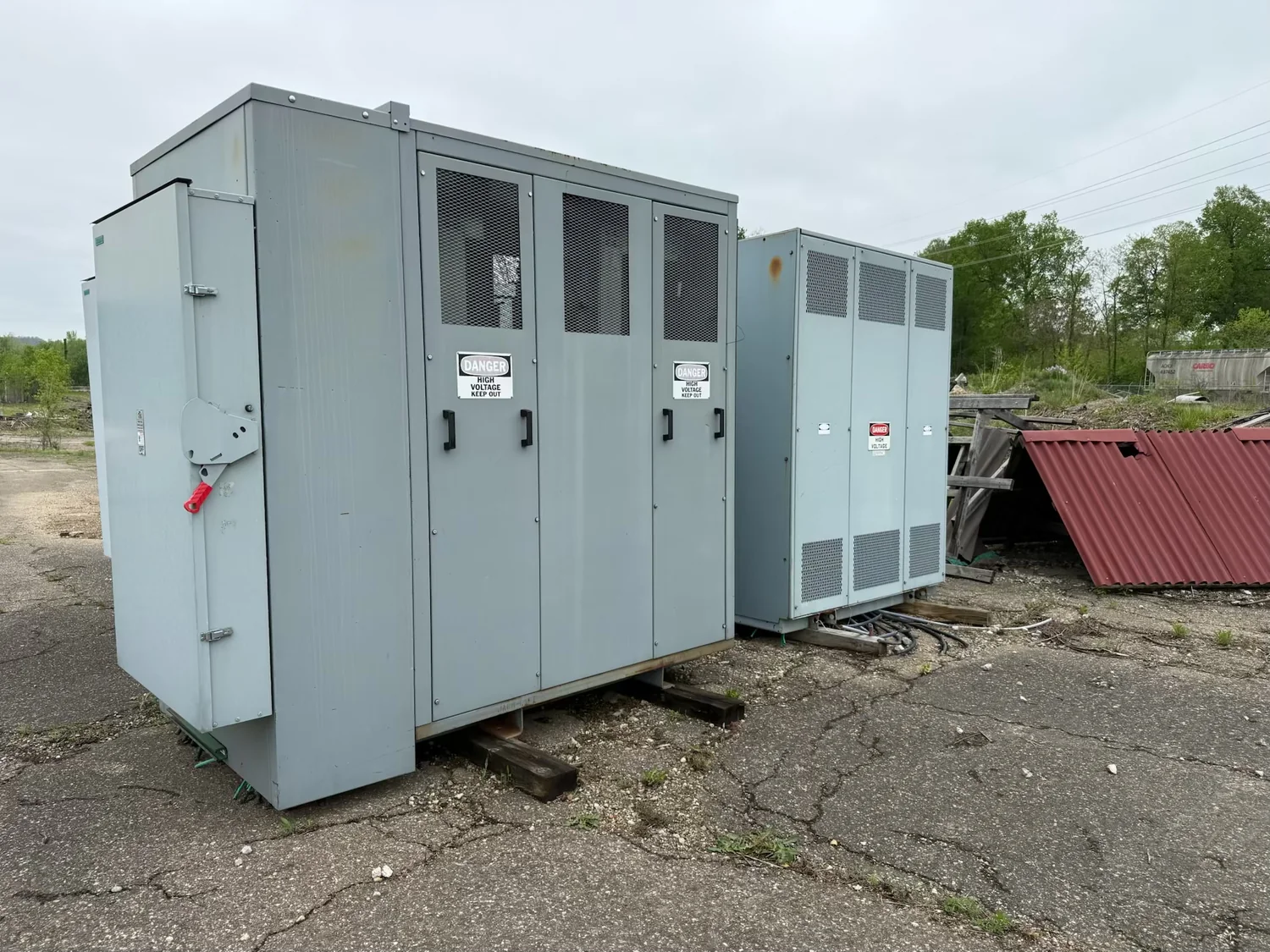
Clear photos help show the lineup’s overall configuration, its condition, and whether doors, covers, barriers, or other visible components are present. Include close, readable photographs of each available nameplate and any labels that identify ratings or equipment sections. If several lineups or separate pieces are stored together, take photos that make it possible to tell which images belong to which assets.
Provide lineup dimensions where available, including approximate length, height, and depth, and explain whether those measurements cover the full assembly or individual sections. Note whether equipment is intact, partially disassembled, visibly damaged, or missing components. Associated loose parts may be relevant: describe what is included, how it is identified, and whether it is stored with or apart from the switchgear. Do not assume that loose parts are included unless their ownership and intended inclusion are clear.
No seller testing is required for the buying review. Share existing records or known details if readily available, but avoid commissioning tests solely to request an offer. The buyer considers all voltage classes and reviews the information provided; the seller should not infer acceptance, value, or a particular removal method from voltage class or photographs alone.
Confirm ownership, storage, and staging access
Before the review moves toward a purchase, identify who owns the switchgear and who has authority to approve its sale and removal. If the equipment belongs to another entity, is subject to a lease or financing arrangement, or has other ownership restrictions, clarify that before setting a removal plan. The buyer may need a point of contact who can confirm the assets included and coordinate site requirements.
Explain where the equipment is stored and how it can be reached. Useful details include whether it is indoors or outdoors, whether it is already staged near an exit or loading area, the route from storage to the pickup point, and any known limits on vehicle access or lifting equipment. Photos of the staging area and route can help identify questions to resolve. Mention obstacles, restricted access, floor or doorway clearances, operating-hour limits, and any site rules that may affect timing or equipment placement.
Loudoun County locations can have different access and scheduling conditions, so arrange a site-specific plan rather than assuming a standard pickup. Site access, available staging space, the condition and arrangement of stored sections, and coordination with the facility’s operations can all affect how removal is scheduled. Confirm who can authorize entry and what advance coordination the facility requires.
Coordinate safe disconnection and removal
Switchgear must not be disconnected or handled by unqualified personnel. De-energization, isolation, and disconnect work must be performed by qualified personnel under the site’s safety procedures and outage requirements. Coordinate the required shutdown window, site approvals, and sequence of work with the responsible facility representatives before setting a removal date. The buyer’s review does not replace the site’s electrical safety process.
The buyer handles crane, rigging, disconnects, loading, freight, and hauling, subject to project arrangements and site access. Confirm responsibilities and the planned scope before removal, including any site-specific conditions that affect equipment access, lifting, loading, or timing. The buyer pays these removal and transportation costs; the practical plan still needs to be agreed for the particular project. Do not arrange for unqualified staff to move, open, disconnect, or prepare energized equipment.
For stored assets, clarify whether the lineup is already disconnected and who is responsible for confirming its status. If any electrical work remains, qualified personnel must complete it in accordance with the site’s procedures. Share known lifting or handling constraints, but do not treat a photo or preliminary discussion as approval to begin work. Access and timing must be coordinated with the facility before equipment is moved.
Offers, payment, and next steps
After the buyer reviews the information, it can make a cash offer if the equipment is of interest. Payment is arranged upfront and paid when an offer is accepted. A final price is not available from a general description alone: the buyer needs to review the specific assets, completeness, condition, ownership, and project logistics before an offer and removal scope are established. An initial review is not a guarantee of purchase.
To begin, send clear equipment and nameplate photos, approximate lineup dimensions, a description of the condition and associated loose parts, and confirmation of ownership. Include the storage location within Loudoun County, staging and access details, any known removal constraints, and the appropriate site contact for safety and scheduling coordination. This gives the buyer a practical basis to assess the stored switchgear and discuss next steps without requiring seller testing or presuming site facts.
Before accepting an offer, make sure the assets included, upfront payment arrangements, removal responsibilities, access requirements, and schedule are understood by both parties. Confirm the buyer’s handling of crane, rigging, disconnects, loading, freight, and hauling for the project, while coordinating all site-controlled work and access with qualified personnel and facility representatives. A clear scope helps keep disposition and removal planning grounded in the actual equipment and location.