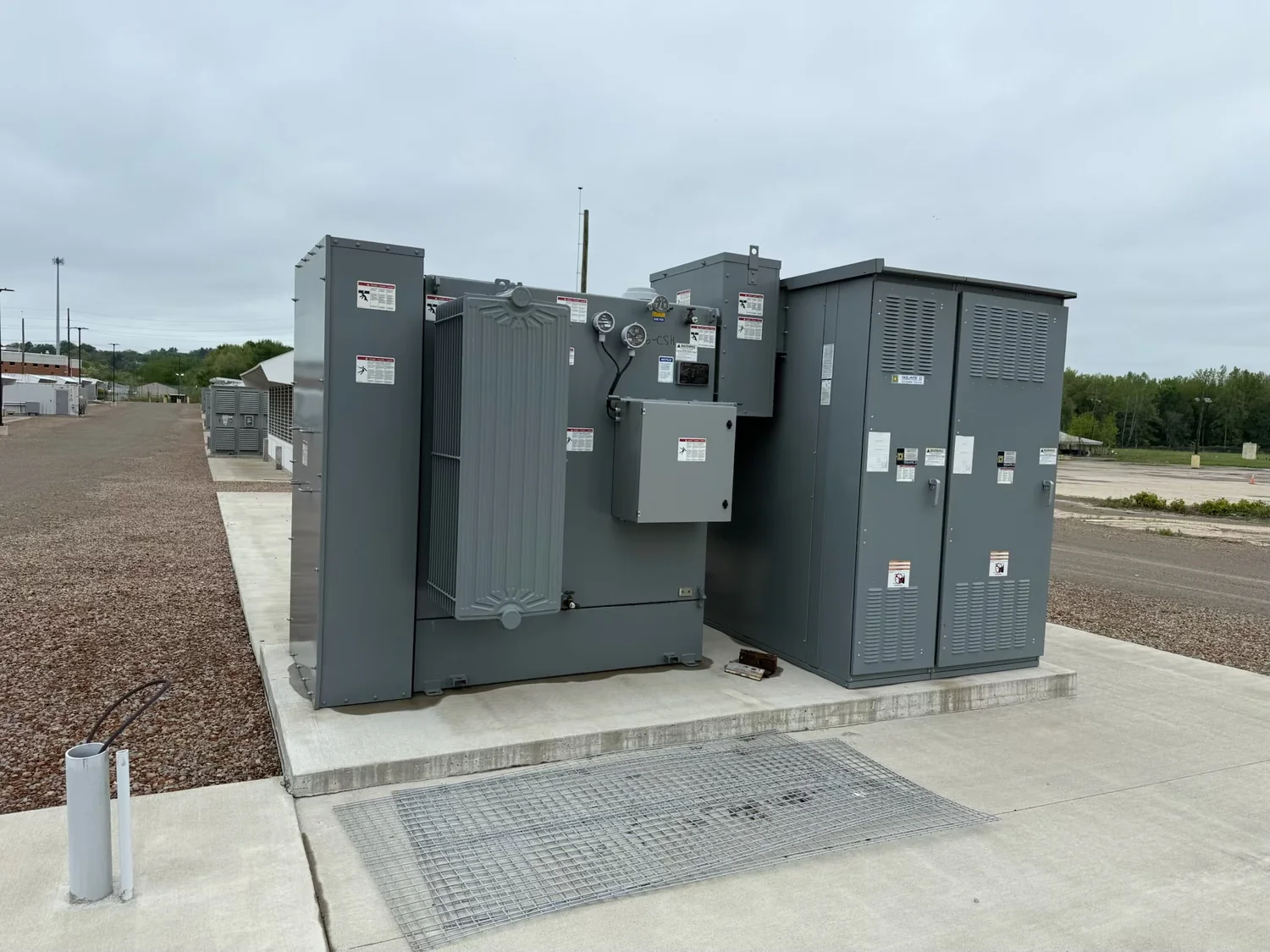
Sell Surplus Switchgear in Prince William County, Virginia
Businesses in Prince William County may have surplus switchgear after a facility change, equipment replacement, consolidation, or project closeout. A sale can be practical when equipment is no longer needed but remains under the owner’s control and can be evaluated for disposition. The buyer purchases surplus equipment; it does not sell switchgear or provide electrical service. The transaction begins with information about the specific lineup, its condition, ownership, and removal setting—not an assumed price based on the county or equipment category alone.
This guide is intended for asset owners and facility teams in Prince William County and the wider Washington, DC, Northern Virginia, and Maryland service area. A local sale still depends on project details: what is available, whether the seller has authority to transfer it, how the equipment can be accessed, and what work is required to remove it. Share clear photos, nameplate information, lineup dimensions, ownership and access details before the scope is set. Those details help the buyer review the opportunity and identify questions that should be resolved before a cash offer or removal plan is finalized.
Prepare the equipment details for review
Start by gathering photographs that show the full lineup and enough detail to identify its sections. Useful images include a straight-on view of the lineup, each section’s exterior, visible nameplates, and any accessible interior views that can be taken safely and with proper authorization. Do not open energized equipment or ask unqualified staff to inspect it. If interior photographs are not already available, coordinate any inspection with the facility’s authorized personnel and applicable site procedures.
Record the nameplate information that is available, such as manufacturer, catalog or model identifiers, ratings, and other markings. Include the lineup’s overall dimensions and, if known, the dimensions of individual sections. Note whether equipment is complete or whether doors, covers, breakers, accessories, or other components are missing or separated. Describe known condition issues plainly, including visible damage, corrosion, modification, or incomplete assemblies. The buyer considers all voltage classes, but that does not establish a value or guarantee acceptance; each opportunity is reviewed on its own details.
Also identify what is included in the proposed sale. Clarify whether the offer concerns a complete lineup, selected sections, or equipment and components stored separately. If the equipment is installed, say so and explain whether it is in active service, already de-energized, or awaiting an approved outage. This information helps the parties understand the likely review and removal scope without requiring the seller to conduct testing. No testing is required by the seller.
Confirm ownership, authority, and site access
Before discussing removal dates, confirm who owns the switchgear and who is authorized to approve its sale and release. In a leased, managed, shared, or contractor-controlled facility, the asset owner, building manager, and any other responsible party may need to align on disposition and access. Identify the person authorized to coordinate the transaction, the site contact for removal planning, and the people who must approve work affecting the building or electrical system.
Access details can materially affect a project plan. Explain where the equipment is located, how the removal crew would reach it, and whether the route includes doors, corridors, stairs, elevators, loading areas, or other constraints. Share relevant opening widths, ceiling or overhead limits, floor or loading restrictions if known, and any access rules or scheduling windows that the site requires. These are planning details, not assumptions about a particular Prince William County facility. A site review or additional measurements may be needed before responsibilities and timing can be confirmed.
Describe known removal constraints, including nearby equipment, limited working space, required escorts, restricted hours, or coordination with other trades. The building manager and authorized electrician should be involved early enough to address site procedures and the proposed work sequence. The parties should confirm who will provide access, who can authorize the work, and what conditions must be met before equipment can be moved.
Plan disconnection and removal safely
Any de-energization, isolation, and disconnection must be performed by qualified personnel under the site’s safety and outage procedures. Do not ask unqualified employees or a removal crew to disconnect electrical equipment. The asset owner or facility team should coordinate the authorized electrician, building manager, buyer, and removal crew so that outage timing, access, work boundaries, and release of the equipment are understood before physical work begins. No equipment should be treated as ready for removal until the responsible site personnel have confirmed the required conditions.
The buyer handles crane, rigging, disconnects, loading, freight, and hauling, subject to project arrangements and site access. The scope and sequence for those responsibilities must be confirmed for the specific project before removal. The buyer’s responsibility for disconnect-related work does not replace the requirement that electrical work be handled by qualified personnel under site procedures. Likewise, crane and rigging needs depend on the equipment, route, available working area, and lifting access; they should be reviewed rather than presumed.
Discuss how the lineup will be separated or moved, whether it can pass through the planned route, and whether lifting equipment can reach the work area. Confirm any site requirements for scheduling, escorts, staging, loading, or coordination with building operations. If equipment must be moved in sections, clarify the proposed boundaries and what components are included. The removal approach, timing, and responsibilities remain subject to project arrangements and actual site access.
Review the offer and agree on the project scope
After reviewing the available equipment information and project details, the buyer may make a cash offer. A final price should not be assumed from a short description, a voltage class, or photographs alone; the offer depends on review of the specific equipment and the agreed scope. If an offer is accepted, payment is arranged upfront. Confirm the payment arrangement and the equipment included before scheduling removal so the transaction and physical work are based on the same understanding.
Before work is scheduled, document the sale scope, payment arrangement, access plan, timing, and removal responsibilities. Confirm that the asset owner has authorized the transfer, the building manager has addressed site access, and the authorized electrician has coordinated any required de-energization, isolation, or disconnect work. Identify any known exclusions, incomplete components, or site limitations that may affect the plan. Clear communication at this stage can reduce avoidable delays and prevent disagreement about what is being purchased or removed.
For an initial review, send clear equipment photos, available nameplates, lineup and section dimensions, a concise description of completeness and known condition, ownership or authorization details, and information about access and removal constraints. Include the site’s scheduling requirements and the appropriate contacts for the asset owner, building manager, and authorized electrician. With those details, a buyer can assess the opportunity and discuss a project-specific offer and removal plan without asking the seller to perform testing or electrical work.