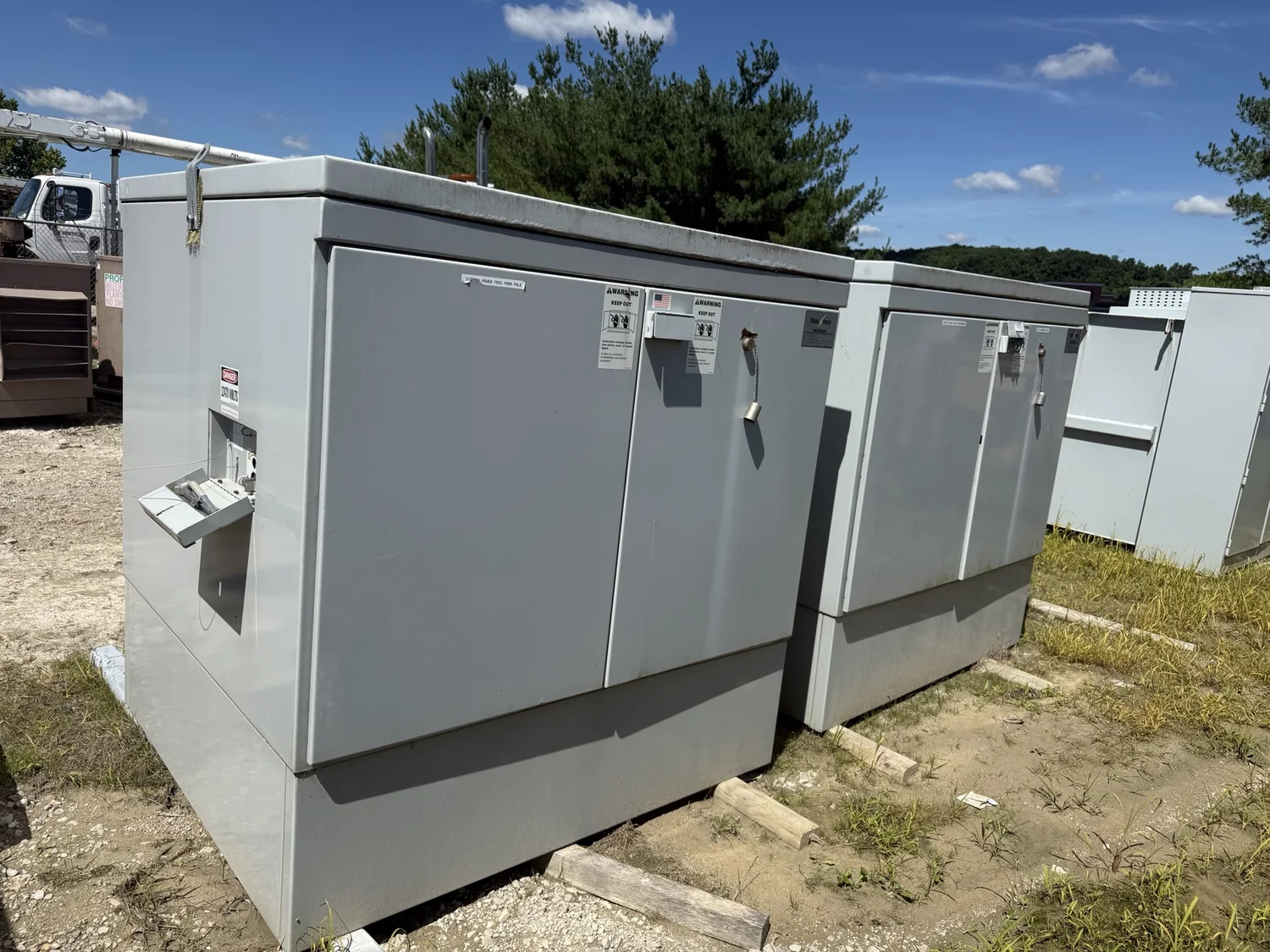
Plan Around the Route Out, Not Just the Switchgear
Switchgear access constraint planning starts with a practical question: can the equipment be safely and realistically removed from its installed position and transported out of the facility? A lineup may be available for disposition, but narrow corridors, low doorways, stairs, limited staging space, loading restrictions, or a tight outage window can change the removal approach. Identifying those constraints early helps the buyer review the opportunity before responsibilities and timing are set.
For equipment in Washington, DC, Northern Virginia, and Maryland, access conditions vary by site. A downtown building, campus, industrial property, or secure facility may have different rules for deliveries, contractor check-in, freight elevators, parking, work hours, and vehicle access. Do not assume a particular restriction applies: describe the actual site conditions and any known requirements so the project plan can be shaped around them. No local office or site-specific capability should be inferred from the service area alone.
The buyer purchases switchgear; it does not sell equipment. Cash offers may be made after reviewing the available information, and payment is arranged upfront when an offer is accepted. The seller is not required to test the equipment. The buyer handles crane, rigging, disconnects, loading, freight, and hauling, subject to project arrangements and site access. Confirm the division of responsibilities, access conditions, and schedule before removal begins.
Share the Information Needed for an Initial Review
Start with clear photographs of the complete lineup and its surroundings. Useful views include the front, rear if safely accessible, both ends, overhead obstructions, nearby walls or equipment, and the route from the installation area to the loading point. Include close, legible photographs of each available nameplate and rating label. Do not open energized compartments or enter restricted areas to obtain images; follow the site’s access and safety rules.
Provide lineup dimensions, including overall length, height, and depth, and note whether these measurements cover the full assembly or individual sections. If known, share section widths and weights, lifting points, skids or bases, and whether components are connected across sections. Dimensions of doorways, corridors, turns, elevator openings, ramps, and loading areas can help reveal whether the equipment can pass through the planned route. Measurements should be identified as approximate if they have not been verified.
Nameplates and available records may help establish the equipment’s identity, ratings, configuration, and completeness. Share the manufacturer and model information shown on the equipment, voltage class, current or interrupting ratings where listed, and any other readable identifiers. The buyer considers all voltage classes, but no particular product capability or value should be assumed from voltage alone. If labels are missing, damaged, or unreadable, say so rather than guessing. Drawings, inventories, and prior maintenance records may be useful if available, but seller testing is not required.
Explain what is included in the disposition: for example, the lineup, separately stored sections, loose components, or associated parts. Identify anything excluded or already removed, and note visible damage, missing covers, or incomplete sections. This information supports a more informed review; it is not a substitute for a final scope or price determination.
Confirm Ownership, Site Authority, and Access Conditions
Before an offer is finalized, clarify who owns the equipment and who has authority to approve its sale and removal. If a property owner, tenant, contractor, lender, or other party must approve the transaction, identify that approval path early. The seller should be prepared to confirm that the equipment can be transferred and that the people coordinating access are authorized to do so. Ownership and access details are part of scope planning, not assumptions the buyer can make from photographs.
Describe the site’s access process in practical terms: required escorts, check-in procedures, security screening, work-hour limits, advance notice, parking or staging rules, elevator reservations, and any restrictions on trucks, cranes, or rigging crews. Mention whether the route is shared with tenants, production, public areas, or other operations. If a building requires a certificate of insurance or other contractor documentation, raise that requirement during planning so it can be addressed before a work date is agreed. Requirements depend on the specific site and project.
Also identify constraints that may affect removal: limited headroom, overhead services, uneven floors, tight turns, stairs, loading-dock limits, restricted crane placement, or lack of a nearby staging area. State what is known and flag what has not been checked. Do not dismantle barriers, move building systems, or alter the route to create access without the appropriate site authorization and qualified personnel. A preliminary review can identify questions, but it cannot confirm removability without project-specific coordination.
Coordinate Disconnects and Removal Safely
Any de-energization, isolation, and disconnect work must be performed by qualified personnel under the facility’s safety procedures and outage plan. Do not ask unqualified staff to disconnect, open, move, or handle electrical equipment. Coordinate the work sequence, required outage window, verification steps, and access with the site’s responsible electrical and facilities teams. The buyer handles disconnects as part of the removal scope, subject to project arrangements; the precise timing and boundaries of that work must be confirmed with the site.
Crane use, rigging, loading, freight, and hauling are also handled by the buyer, with the approach subject to access, equipment condition, site rules, and the agreed project plan. The buyer pays these costs, while responsibilities and any site-specific arrangements should be confirmed before removal. Crane placement, lifting clearances, floor capacity, pick points, loading access, and transport dimensions may affect the plan. Do not treat an initial photo review as confirmation that a particular lift or route is feasible.
Scheduling should allow the relevant parties to coordinate approvals, qualified electrical work, building access, removal resources, and transportation. Share required lead times and blackout dates as soon as they are known. Avoid setting a removal date until access, outage timing, site authority, and the responsibilities of each party are understood. If the scope or conditions change—for example, additional sections are found or the route is unavailable—the plan may need to be reviewed again.
Request an Offer With a Clear Scope
To request a review, send the available nameplate photos, overall and section dimensions, equipment and route photographs, a description of what is included, confirmation of ownership or sale authority, and a concise account of site access and removal constraints. Include the preferred timing, known outage windows, and any facility rules that may affect contractors or vehicles. It is helpful to distinguish confirmed facts from estimates so follow-up questions can focus on unresolved items.
The buyer may make a cash offer after reviewing the equipment information and project scope. A final price cannot be established from the topic or location alone; it depends on the specific equipment and the details available for review. No seller testing is required. If an offer is accepted, payment is arranged upfront, and the parties should confirm the equipment included, access plan, schedule, and removal responsibilities before work proceeds.
Clear information at the beginning does not eliminate the need for site coordination, but it can make the next steps more useful and realistic. For switchgear in the Washington, DC region—including Northern Virginia and Maryland—the key is to describe the equipment and the actual path out of the facility without guessing at conditions. That gives the buyer a basis to review the opportunity and coordinate crane, rigging, disconnects, loading, freight, and hauling around the project’s confirmed access and safety requirements.