Switchgear removal while your site remains active
Removing switchgear at an active facility takes more coordination than clearing equipment from an already vacant building. The lineup may serve operating loads, share space with other electrical infrastructure, or sit along a route that staff, tenants, contractors, and deliveries use every day. In Washington, DC, Northern Virginia, and Maryland, sellers should expect access, outage timing, building procedures, and removal routes to vary from one property to another. A buyer can review the equipment for a purchase offer, but the project plan must be based on the specific site and equipment—not on assumptions about the facility.
This guide is for organizations considering a sale of switchgear that is still located at an operating site. The buyer buys equipment only; it does not sell replacement gear. The buyer can make a cash offer and, if you accept, payment is arranged upfront. The seller does not need to test the equipment for the buyer. All voltage classes are considered, although the equipment’s ratings, configuration, completeness, condition, ownership, and removal circumstances can affect whether an offer is practical and how the work should be scoped. No final price or removal plan should be assumed before the relevant details have been reviewed.
Start with equipment, ownership, and site information
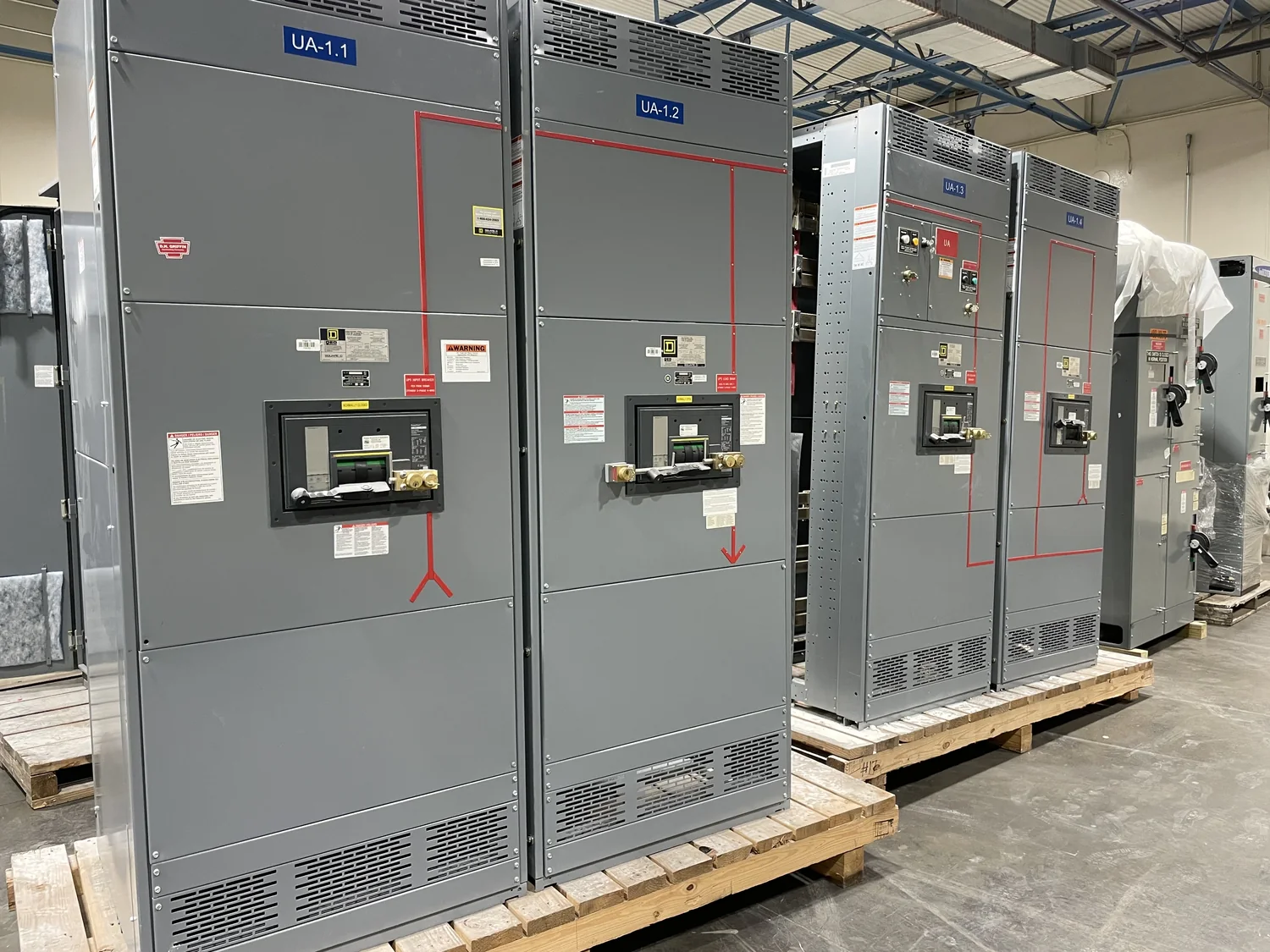
Before a scope is set, provide clear photos of the switchgear and its nameplates. Useful images show the full lineup, each accessible nameplate, visible sections and compartments, and any attached equipment that may be included in the sale. Nameplate details can help identify the equipment and its ratings; photographs can reveal visible configuration, condition, missing components, and constraints that may need follow-up. If a label is unreadable or inaccessible, say so rather than attempting to reach equipment in a restricted or hazardous area.
Share approximate lineup dimensions and, if available, the dimensions and weight information in existing records. Note how many sections are present, whether the lineup is complete, and whether breakers, relays, accessories, or other parts are included or excluded. Do not remove covers or enter restricted electrical spaces to gather information. A buyer may ask for additional images or measurements after reviewing what you provide, but information gathering must follow the site’s access and safety rules.
Clarify who owns the switchgear and who is authorized to approve its sale and removal. If ownership or authority is shared, leased, or subject to internal approval, identify the decision-makers and any restrictions before scheduling. Also describe the site address or general location, access contact, operating hours or work windows, loading-area arrangements, and any known limits on truck or equipment access. These details help establish whether the proposed removal route and timing are workable; they do not by themselves guarantee that a particular scope can be completed.
Plan around energized systems, outages, and site rules
An active-site removal must be coordinated with the facility’s electrical, operations, safety, and property teams. Before equipment can be removed, the site must determine whether it is in service, what loads or systems depend on it, and what isolation and outage procedures apply. De-energization, isolation, verification, and disconnect work must be performed by qualified personnel under the site’s safety requirements. Do not ask unqualified staff to disconnect, open, move, or handle switchgear, and do not treat a purchase review as authorization to work on electrical equipment.
Agree on the project sequence before setting a removal date. The facility and its qualified personnel need to determine the required outage window, any notifications or approvals, the point at which the equipment will be released for removal, and how adjacent systems will be protected. A buyer’s logistics plan should be coordinated with those decisions, not used as a substitute for them. If the site cannot make the equipment available during the proposed window, or if removal depends on additional electrical or construction work, those constraints should be disclosed early so the parties can review a realistic sequence.
Access planning matters in the DC region as it does at any active site, but conditions should be confirmed for the specific property. Ask the site team about loading-dock or street access, door and corridor clearances, elevator or floor-loading limits where relevant, permitted work hours, escort requirements, security check-in, and restrictions on staging equipment. For properties with shared access or limited loading space, the route and staging plan may need closer coordination. Do not assume that a truck, crane, or rigging crew can arrive or stage without prior approval.
Define removal responsibilities and logistics
The buyer handles crane, rigging, disconnects, loading, freight, and hauling, subject to project arrangements and site access. The buyer pays those costs, with responsibilities and the planned scope confirmed before removal. This does not mean work can proceed without the site’s cooperation: qualified personnel must perform electrical disconnection under the facility’s procedures, and the timing, access, and release of the equipment must be coordinated with the project team. The buyer and seller should resolve practical responsibilities and any site-specific conditions before a removal date is treated as firm.
Discuss how the lineup will be moved from its installed position to the loading point. The dimensions, section layout, weight information, doorway and route clearances, floor conditions, lifting points, and available staging space may affect the equipment and removal approach. Crane or rigging needs depend on the actual equipment and site; they should not be inferred from photographs alone. Identify constraints such as restricted work areas, overhead obstructions, narrow turns, stairs, limited dock access, or limits on when material can be moved. If the lineup must be separated, that work and the required personnel should be addressed in the project plan.
Be explicit about what is included in the sale and what must remain at the site. Confirm whether loose components, accessories, spare parts, documentation, or associated sections are part of the asset, and note any exclusions. If equipment is incomplete or has visible damage, disclose that in the initial review. The buyer can consider the information without requiring seller testing, but photographs and records are not a guarantee of condition or value. Final scope, schedule, and offer depend on review and agreement.
Review an offer before scheduling removal
Once the buyer has reviewed the photos, nameplates, dimensions, ownership and access details, and removal constraints, the parties can discuss a purchase offer and project scope. If the offer is accepted, payment is arranged upfront. Confirm the agreed equipment, any included parts, buyer and seller responsibilities, access conditions, and timing before work is scheduled. The buyer pays crane, rigging, loading, freight, and hauling costs, with the arrangements confirmed for the project; the seller should not rely on an unreviewed estimate as a final price or commitment.
A practical first submission includes clear equipment and nameplate photos, approximate lineup dimensions, available ratings and records, a description of completeness, confirmation of ownership or sale authority, the site’s access contact, and known outage and removal restrictions. Do not energize, test, disconnect, or reposition equipment to improve a submission. Qualified site personnel should manage electrical isolation and disconnection, while the project teams coordinate access and timing. With those points addressed early, a buyer can assess whether a purchase and removal plan merits further discussion for a Washington, DC, Northern Virginia, or Maryland facility.