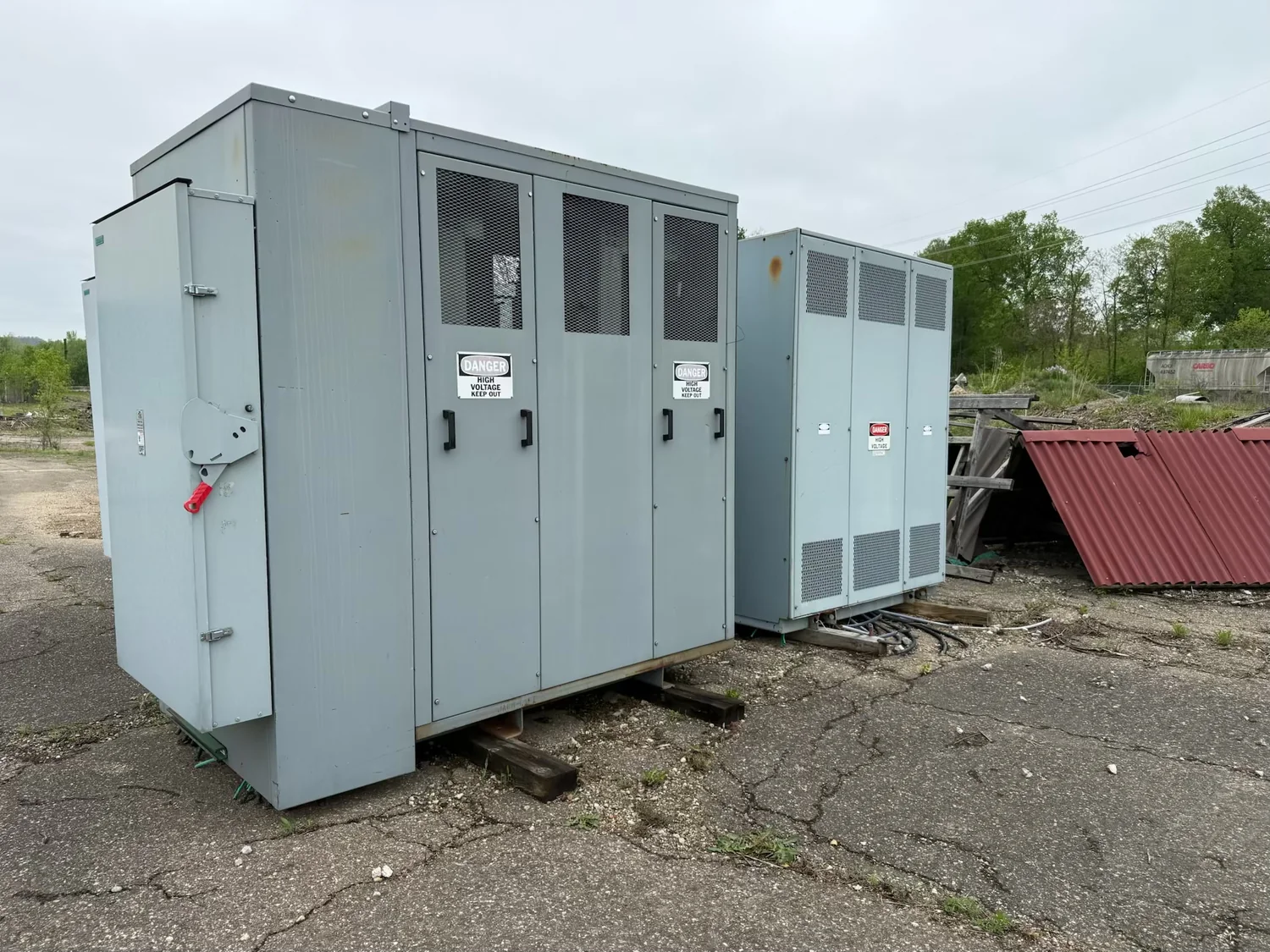
Switchgear buyer loading and freight planning in the Washington, DC region
Selling switchgear is not only a matter of identifying the equipment and agreeing on an offer. The removal plan also needs to account for safe isolation, the path from the lineup to the pickup point, lifting and loading, and transportation from the site. For sellers in Washington, DC, Northern Virginia, and Maryland, those details can vary considerably between a facility with straightforward vehicle access and a site where work must be coordinated around restricted entrances, occupied spaces, loading docks, or limited scheduling windows. Those conditions should be discussed before removal is scheduled, rather than assumed from the equipment’s location alone.
The buyer purchases equipment; it does not sell switchgear. The buyer can make a cash offer, and payment is arranged upfront if the offer is accepted. The buyer also pays the crane, rigging, loading, freight, and hauling costs, subject to project arrangements and site access. Responsibilities, scope, timing, and the payment arrangement should be confirmed before removal begins. An initial review is not a final price: the equipment details and practical removal conditions need to be considered together before an offer and project plan can be settled.
Start with clear equipment and nameplate information
A useful first submission includes clear photographs of the complete switchgear lineup and close-ups of each available nameplate. Take images from multiple angles, including the front, sides, rear if accessible, and any visible sections, compartments, or attached components. Nameplates can help identify the equipment and its ratings; readable images are more helpful than a long-distance photograph or a partial label. Do not open compartments or approach exposed electrical hazards to obtain a picture. Photograph only from locations and in conditions permitted by the site’s safety rules.
Share lineup dimensions, including approximate overall length, height, and depth, and note how many sections are included. If known, provide the equipment’s voltage class and other legible ratings shown on the nameplates; the buyer considers all voltage classes, but the information still helps describe the asset accurately. Mention whether the lineup appears complete or whether breakers, doors, bus components, relays, or other parts are missing, removed, or stored separately. Include photos of separate components and explain which items are included in the proposed sale. No seller testing is required. Do not energize, operate, dismantle, or conduct tests simply to prepare information for a buyer.
Confirm ownership, scope, and site access
Before an offer is finalized or removal is planned, the seller should be able to confirm that it owns the switchgear or is authorized to sell it. Clarify whether the sale covers the complete lineup, selected sections, or equipment and components kept elsewhere. If the gear is part of a larger facility asset-disposition project, identify any items that must remain in place and any boundaries around the work area. Clear scope helps prevent misunderstandings about what is being purchased and what the buyer is expected to remove.
Access information matters as much as equipment information. Describe the route from the switchgear’s current position to the loading area, including known door, corridor, elevator, stair, dock, gate, or vehicle-access limitations. Share approximate doorway or passage dimensions when available, the location of any steps or level changes, and whether the route has tight turns or overhead obstructions. Explain whether a crane or other lifting arrangement may be necessary, whether a truck can reach the pickup point, and whether the site has designated access hours, escorts, check-in procedures, or work windows. These are planning questions, not assumptions about a particular DC-area facility; the seller and buyer should verify actual conditions for the site and project.
Photos of the equipment’s route and pickup area can help the buyer understand constraints before setting scope. Avoid moving equipment or opening electrical spaces to create better access for photographs. If site rules restrict photography or disclosure, follow those rules and coordinate an approved way to provide the information. The buyer’s ability to arrange removal depends on the actual access, site permissions, and agreed scope, so a site review or further coordination may be appropriate before a schedule is confirmed.
Plan qualified disconnection and safe removal
Switchgear must not be treated as ordinary freight. De-energization, isolation, verification, and disconnection must be handled by qualified personnel under the facility’s safety and outage procedures. The seller should coordinate with the site’s authorized electrical and operations personnel to establish what must be isolated, who performs the work, and when the equipment can be released for removal. Do not ask unqualified staff, the buyer’s freight crew, or a crane operator to perform electrical disconnect work. The buyer’s responsibility for arranging physical removal does not replace the site’s requirements for electrical safety, authorization, or outage coordination.
Timing should be discussed around the project’s actual operating needs and access limits. Confirm when the equipment will be available, whether other work must happen first, and how long the buyer’s crew may have access to the area. Crane placement, rigging points, equipment weight, lifting clearances, floor conditions, and the path to the truck can affect the removal method. Those matters need project-specific review; photographs and dimensions help but may not establish every lifting or structural condition. Site personnel should provide accurate information and identify any restrictions that could affect rigging or loading.
Confirm logistics and payment before pickup
The buyer handles crane, rigging, loading, freight, and hauling, with the exact arrangements subject to the agreed project scope and site access. Before removal, confirm in writing which equipment and components are included, what site preparation is required, who will complete qualified disconnection, what access the buyer’s removal team will have, and the anticipated scheduling window. Also confirm any limitations on vehicles, lifting equipment, working hours, or the route out of the facility. If access or equipment conditions differ materially from what was provided during review, the parties should pause and agree on next steps rather than rely on an unverified assumption.
Payment is arranged upfront when the offer is accepted; the exact payment arrangements should be confirmed before work is scheduled. The seller does not need to test the switchgear to request consideration. Clear nameplate photos, overall and detail images, dimensions, completeness notes, ownership confirmation, and access information give the buyer a practical basis for reviewing the opportunity and planning freight. With those details in hand, sellers across Washington, DC, Northern Virginia, and Maryland can discuss an offer and removal plan without presuming a final price, a particular site condition, or a guaranteed schedule.