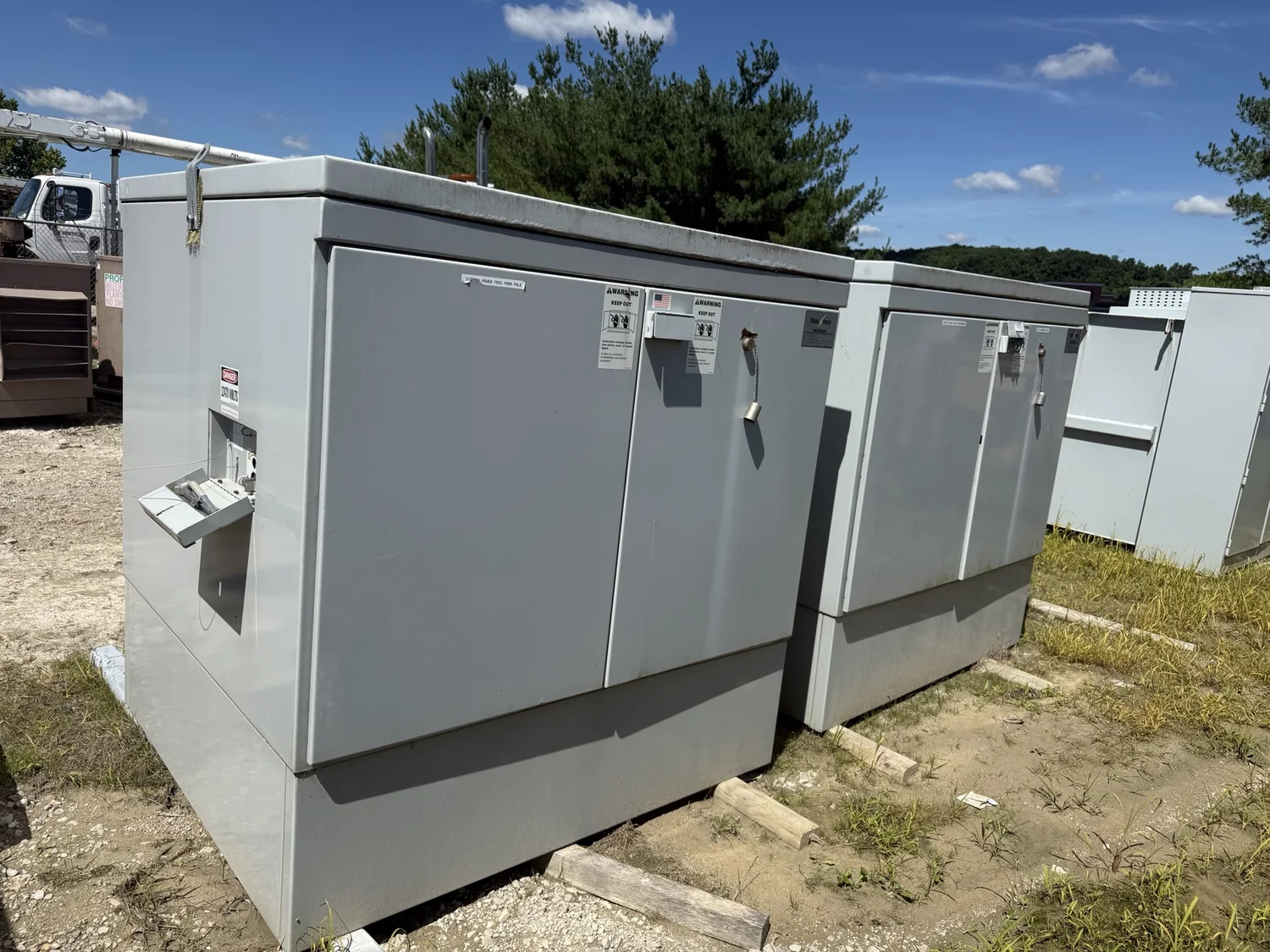
Selling Contractor Surplus Switchgear in the DC Region
Electrical contractors can accumulate surplus switchgear when a project changes scope, a specified lineup is replaced, or equipment remains unused after an installation. If you have equipment to disposition in Washington, DC, Northern Virginia, or Maryland, the first step is a clear review of what is available—not an assumption that every lineup has the same resale value or removal requirements. This business buys electrical equipment; it does not sell equipment. It considers switchgear across all voltage classes, and seller-performed testing is not required to request a review.
An initial discussion can establish whether the equipment, ownership, condition information, and project timing are suitable for consideration. No final price should be assumed from a brief description or a single photograph. The buyer reviews the available information and the practical scope before making an offer. If an offer is accepted, payment is arranged upfront, with the payment and removal arrangements confirmed for the transaction.
Prepare Photos, Nameplates, and Lineup Details
Good documentation helps distinguish one switchgear lineup from another and reduces avoidable follow-up. Send clear, well-lit photographs of the complete lineup, each section, accessible nameplates, visible labels, and any included components or accessories. Include close-ups of damage, missing covers, exposed openings, corrosion, modifications, or other conditions that may affect review. Do not remove guards or enter restricted areas to obtain photographs; follow site rules and use qualified personnel where access or equipment conditions require them.
Provide the lineup’s approximate overall dimensions: height, width, and depth, along with the number of sections and any known shipping or lifting limitations. Nameplate details and available documentation may help identify ratings and configuration, but do not guess at specifications that are not legible or known. Share drawings, bills of material, equipment schedules, or project records if they are available and can be provided. The buyer considers all voltage classes, but each asset still needs an individual review; the page does not imply a particular manufacturer, rating, or technical configuration.
Also describe completeness as accurately as possible. Note whether breakers, protective devices, bus components, doors, barriers, instruments, control components, or other parts are present, removed, stored separately, or of unknown status. If the lineup was never installed, say so; if it was previously energized or used, describe that history to the extent known. Seller testing is not required, and a lack of test reports should be disclosed rather than filled in with assumptions. Clear, factual information supports a more useful initial assessment without guaranteeing an offer or price.
Confirm Ownership and the Right to Transfer
Before an offer can proceed, establish who owns the equipment and who has authority to approve its sale and removal. Contractor-held surplus may be subject to a project owner’s, customer’s, lender’s, or other party’s rights. If equipment belongs to a customer or remains part of a project contract, confirm that the authorized owner has approved its disposition. Provide the asset location and the appropriate contact for the person who can verify ownership and coordinate access.
Identify any documentation, purchase records, release requirements, or internal approval steps that could affect the transaction. These details matter in a regional construction environment where equipment may be stored at a job site, contractor facility, warehouse, or another controlled location; no particular site arrangement should be presumed. Disclose known restrictions on photography, access, operating hours, insurance or site-entry procedures, and the dates when the equipment can be viewed or removed. The buyer does not claim a local office or a particular facility location in the DC region.
Plan Disconnects, Removal, and Site Access
Switchgear removal is a project-specific logistics task. The buyer handles the crane, rigging, disconnects, loading, freight, and hauling, subject to project arrangements and the site’s access conditions. Responsibilities, equipment scope, timing, and removal boundaries should be confirmed before work is scheduled. Share practical details such as loading-dock or gate constraints, floor or ground conditions, overhead clearance, travel path, staging area, elevator or doorway dimensions, loading hours, and any known restrictions on truck or crane access. These details help determine what arrangements are needed; they do not constitute a promise that a particular method or schedule will work.
De-energization, isolation, and disconnect work must be carried out by qualified personnel under the site’s safety procedures, outage controls, and applicable project requirements. Do not ask unqualified personnel to disconnect, open, move, or handle electrical equipment. Coordinate the required outage, safe work boundaries, access authorization, and removal window with the responsible site representatives. The buyer’s handling of disconnects and removal logistics is subject to those coordinated arrangements; it does not replace the site’s safety authority or make an unsafe or unauthorized removal acceptable.
Describe what is connected to the lineup, what remains in place, and any known interfaces or adjacent equipment that could affect separation and movement. State whether the lineup is indoors or outdoors, whether it is anchored or mounted, and whether there are stairs, narrow passages, low clearances, or other obstacles along the route, if known. Photos of the route and access points can be useful when permitted. Do not make the equipment available for removal until the project parties have agreed on timing, access, scope, and who is responsible for each site-specific condition.
Request a Review and Agree on the Scope
To start, send the equipment location within the Washington, DC, Northern Virginia, or Maryland service area; clear photos; readable nameplate images; lineup dimensions and section count; known ratings and completeness; ownership or transfer-authority details; and access, schedule, and removal constraints. Include the best project contact and any relevant documents that are available. If something is uncertain, identify it as unknown. That is more useful than presenting an unverified rating, condition, or ownership claim as fact.
After reviewing the information, the buyer can discuss whether to make an offer and what the proposed purchase and removal scope would include. Price depends on the specific equipment and review, so a final amount cannot be established from this general guide. If an offer is accepted, payment is arranged upfront. The buyer pays the crane, rigging, disconnect, loading, freight, and hauling costs, with the responsibilities and project arrangements confirmed before removal. Clear information and early coordination give contractors a practical basis for deciding whether to proceed, while leaving technical findings, access approval, and scheduling to the people responsible for the equipment and site.