Plan the sale before setting a demolition date
Switchgear demolition is rarely a single-day decision. Before a lineup can be removed, the owner or project team needs to establish what equipment is present, who has authority to sell it, how it will be safely isolated, and how removal fits around building operations and other contractors. If you are considering selling switchgear in Washington, DC, Northern Virginia, or Maryland, starting the asset review early can help prevent a buyer’s review, outage planning, or site-access coordination from becoming a late schedule dependency.
This is a buyer page: the business buys switchgear and does not sell it. It can review equipment from all voltage classes, and the seller is not required to test it. Clear information helps determine whether the equipment is suitable for an offer and what removal arrangements may be needed. An initial discussion is not a final price or a confirmed removal scope; both depend on review of the equipment, ownership, project conditions, and access.
Build a practical timeline around review and site coordination
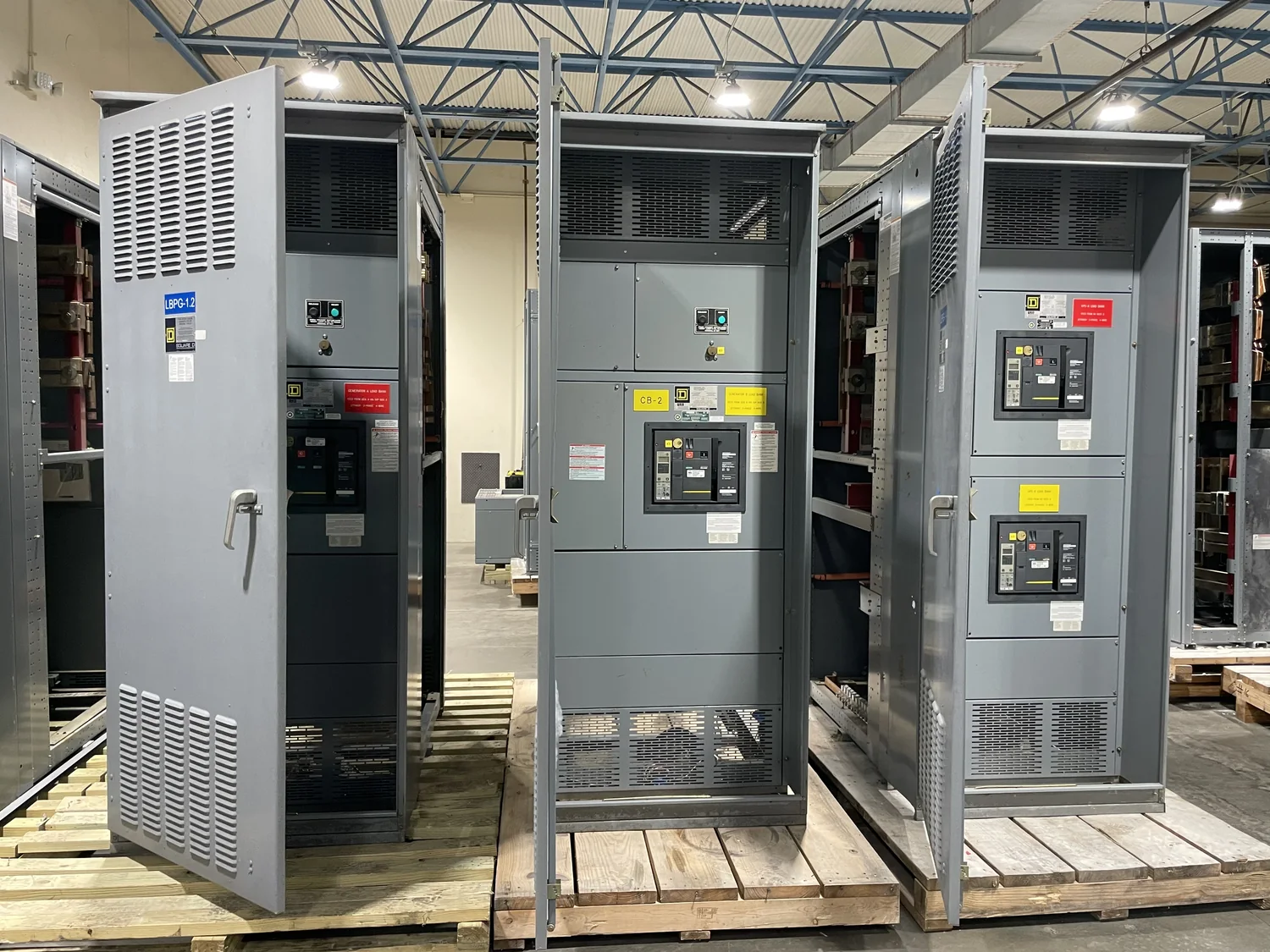
A useful first step is to send current photographs of the switchgear, including overall views of each lineup and closer views of nameplates, visible condition, and any major accessories or sections. Include lineup dimensions and, if available, drawings or an equipment schedule that helps identify sections and configuration. Nameplate information can help describe the equipment, but do not guess at ratings or rely on a partial label when clearer documentation can be provided. The buyer considers all voltage classes; a specific voltage class does not need to be assumed to begin the review.
Along with the equipment information, provide the project’s likely decision and removal windows, the facility’s general location, and any known scheduling restrictions. This is especially useful when the equipment is part of a larger demolition, renovation, shutdown, or contractor sequence. In the DC region, travel routes, delivery and loading arrangements, building access rules, and coordination among site stakeholders can affect the workable removal window. Those details vary by site, so they should be confirmed directly rather than assumed from the city or facility type.
Allow time for the buyer to review the information and ask follow-up questions before a removal date is treated as firm. A schedule may need to account for confirming the asset list, agreeing commercial terms, establishing who controls access, coordinating qualified personnel for disconnection, and arranging lifting and transport. If the demolition schedule is still changing, share the current target dates and identify what remains uncertain. That creates a basis for planning without implying that a particular offer, collection date, or project duration is guaranteed.
Confirm ownership, equipment completeness, and removal constraints
Before an offer is considered, identify the seller or owner and confirm that the person arranging the sale is authorized to do so. Clarify whether the equipment is owned outright or subject to another party’s approval, and whether the proposed sale covers the full lineup or selected sections. If the gear is incomplete, dismantled, damaged, or missing components, explain that in the initial description. Note any items included with the switchgear, such as associated sections or accessories, only when they are actually part of the proposed sale. Completeness and configuration can affect how an asset is reviewed and how removal is planned.
Photographs should show the lineup in context as well as details that help distinguish sections. Share visible labels and nameplates, overall length and height, and any known weight or lifting information if available. Do not remove covers or expose energized parts to obtain photos. If important identification details cannot be safely photographed, say so and discuss whether site access for a review can be arranged under facility procedures.
Describe the route from the equipment to the loading point: doorways, corridors, stairs, elevators, floor or pavement conditions, overhead restrictions, and any limited turning or staging areas. Flag restricted work hours, security check-in, escort requirements, loading-zone limits, shared access, and other known site rules. These are planning details, not assumptions about a particular Washington, DC, Northern Virginia, or Maryland property. The buyer and seller should confirm responsibilities and access conditions for the specific project before removal is scheduled.
Coordinate safe disconnection and removal responsibilities
The buyer handles crane, rigging, disconnects, loading, freight, and hauling, subject to the project’s agreed arrangements and actual site access. Confirm the scope and responsibilities before removal so the parties understand what work is included, what access is available, and what conditions could require a revised plan. The buyer’s handling of disconnects does not make it appropriate for the seller or unqualified site personnel to work on electrical equipment.
De-energization, isolation, and electrical disconnection must be performed by qualified personnel under the site’s safety, outage, and authorization procedures. Coordinate the required personnel, outage window, approvals, and timing with the facility team and other project contractors. Do not assume that equipment is safe to approach or remove because a demolition date has been selected, a breaker has been operated, or a buyer has reviewed photographs. The site’s responsible parties must establish and verify the applicable safe-work conditions.
Crane and rigging needs depend on the equipment, lifting points, route, available staging area, overhead conditions, and site limitations. Removal may also depend on whether the lineup must be separated into sections and how those sections can pass through the facility. Share known lifting or access constraints early, and arrange a site discussion if photographs and dimensions do not resolve them. The buyer’s removal and transport arrangements remain subject to confirming that the required equipment and crew can access the location under the agreed project plan.
Agree on payment and timing before equipment leaves the site
Once the equipment information and project conditions have been reviewed, the buyer can make an offer. There is no guaranteed price before that review, and an initial description should not be treated as a final valuation. If the seller accepts an offer, payment is arranged upfront. Confirm the payment arrangement and the removal responsibilities before equipment is released or removed, and make sure the authorized seller and relevant site contacts understand the agreed sequence.
The buyer pays the crane, rigging, loading, freight, and hauling costs, with the specific arrangements confirmed for the project. The removal date, access window, and scope still depend on coordination with the site, qualified personnel, and any applicable facility procedures. If the equipment description changes, access proves different from what was reported, or removal constraints emerge, revisit the plan before work proceeds rather than relying on an earlier assumption.
For a more useful first review, prepare clear equipment photos, nameplate images where safely available, lineup dimensions, an inventory or equipment schedule if one exists, ownership and authorization details, and a concise description of access and removal constraints. Add the target demolition or outage dates and identify any schedule dependencies. This information helps the buyer assess the opportunity and discuss a practical path to an offer and removal without asking the seller to test the equipment or requiring the seller to arrange the buyer’s crane, rigging, loading, freight, or hauling.