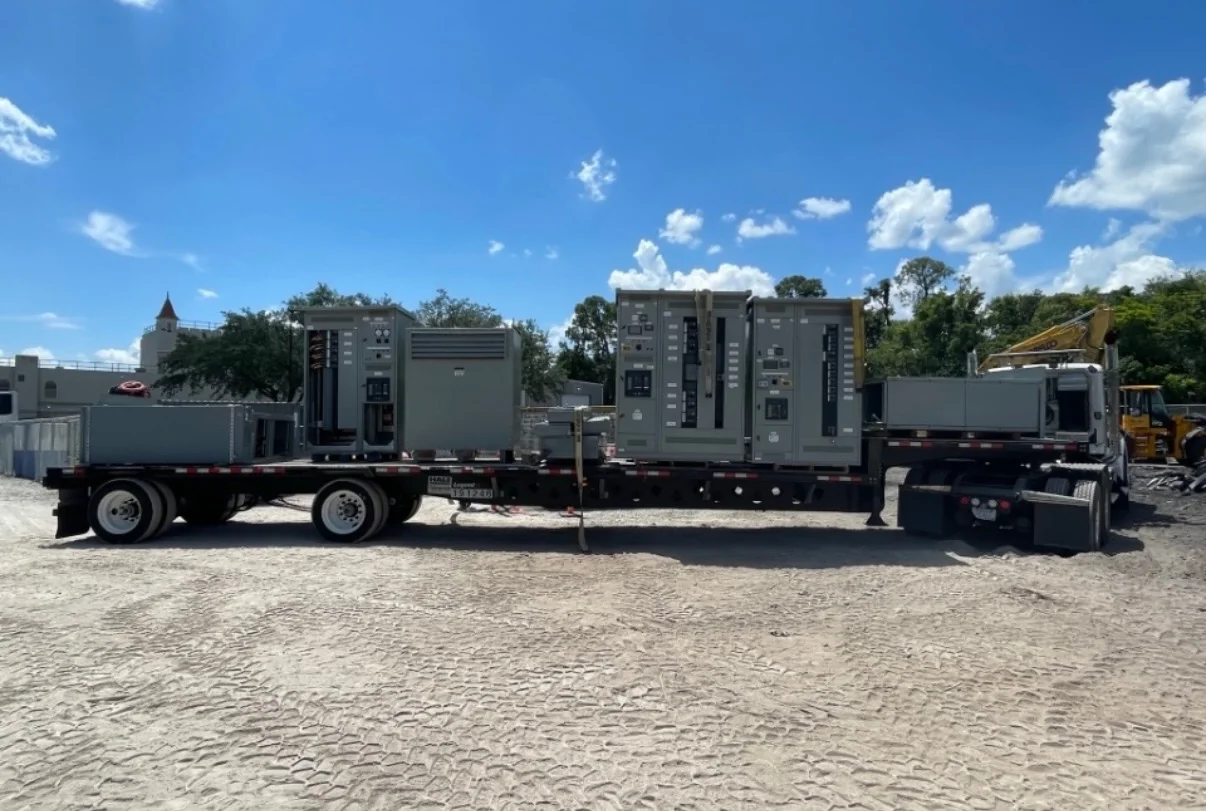
Selling Switchgear During a Facility Closure
Closing a facility often means coordinating equipment disposition alongside lease deadlines, utility work, building turnover, and other asset-removal tasks. If you have switchgear to sell in Washington, DC, Northern Virginia, or Maryland, begin by establishing what equipment is present, who owns it, and when the site can safely accommodate its removal. A clear scope helps the buyer assess the opportunity and identify practical questions before an offer or removal plan is set.
This is a purchase service, not a source for replacement equipment: the buyer buys switchgear and does not sell it. The buyer considers all voltage classes. The seller does not need to test the equipment to request a review. A cash offer may be made after the available information is reviewed, and payment is arranged upfront if the offer is accepted. Price and purchase scope depend on review; an initial inquiry is not a final price or a guarantee that every item in a lineup will be included.
Build a Clear Equipment Inventory
Start with a list of the switchgear you believe is available. Note the quantity of lineups, sections, or separate assemblies; whether associated breakers or other components are included; and any items that are missing, removed, damaged, or set aside. If the facility contains equipment from more than one area or project, identify where each group is located so the inventory can be matched to the right photos and access plan.
Nameplate information can help identify equipment and clarify the scope. Send readable photographs of each relevant nameplate, along with overall views of the lineup and closer images of visible components. Where practical, include photographs showing how the equipment sits in the room and its path toward an exit. Record lineup dimensions—height, width, and depth—and note any unusual shape, overhead clearance restriction, narrow doorway, stair, loading-dock limitation, or other condition that could affect removal. Do not open energized equipment or approach exposed electrical parts to obtain a photo. Arrange any needed access through qualified site personnel and follow facility safety procedures.
Confirm Ownership, Records, and Site Authority
Before equipment is offered for purchase, confirm that the seller has the authority to sell it. Facility closures can involve landlords, tenants, lenders, equipment lessors, contractors, or other parties with an interest in assets. Establish who owns the switchgear, who is authorized to approve its sale, and whether any ownership records, lease terms, or internal approvals need to be resolved before removal. If ownership is shared or unclear, disclose that early rather than relying on a removal date that may later change.
Identify the site contact who can coordinate building access, safety requirements, work windows, and any restrictions on contractors or vehicles. In the DC-region service area, travel distance alone does not establish that a particular site, loading point, or removal window is workable; the actual facility layout and access conditions must be reviewed. Share the site’s location at an appropriate level for planning, the planned closure or turnover schedule, and any limits on when equipment can be moved. The buyer does not claim a local office based on serving this region.
Plan Disconnection and Removal Safely
Switchgear must not be disconnected, isolated, or handled by unqualified personnel. De-energization, isolation, and disconnect work must be carried out by qualified personnel under the facility’s safety and outage procedures. Coordinate the responsible parties, required approvals, and timing before removal planning advances. Do not assume that a building closure means equipment is de-energized, that utility service has been removed, or that a particular work window is available.
The buyer handles crane, rigging, disconnects, loading, freight, and hauling, subject to project arrangements and site access. Confirm the responsibilities for the specific project before removal, including how disconnect work will be coordinated with qualified personnel and what site conditions the buyer’s removal plan must accommodate. Crane or rigging needs may depend on equipment weight and dimensions, the route from its installed position, floor and overhead conditions, and the availability of a suitable staging or loading area. Access hours, building rules, loading-dock use, parking or vehicle restrictions, and coordination with other closure work may also affect scheduling. No one should assume that a particular lifting method, route, or removal date is feasible until the site and scope have been reviewed.
Request an Offer and Align the Schedule
For an initial review, provide clear equipment photos, readable nameplates, lineup dimensions, a brief inventory, confirmation of ownership or sale authority, and details about site access and removal constraints. Include what is known about completeness and any components that are absent or uncertain. If your inventory or measurements are preliminary, label them as estimates; clear caveats are more useful than false precision. You may also describe the facility’s target closure date, preferred access windows, and any known coordination requirements, without assuming that those dates can be confirmed before review.
Once the buyer has reviewed the information, the parties can clarify which equipment is included, what remains uncertain, and what project arrangements are needed for access and removal. The buyer can make a cash offer, and payment is arranged upfront when that offer is accepted. The seller is not required to test the switchgear. Before work is scheduled, confirm the accepted scope, payment arrangements, site access, qualified-personnel responsibilities, removal sequence, and timing. This approach gives a facility owner, property representative, or asset-disposition team a practical way to address switchgear while keeping safety and closure logistics in view.