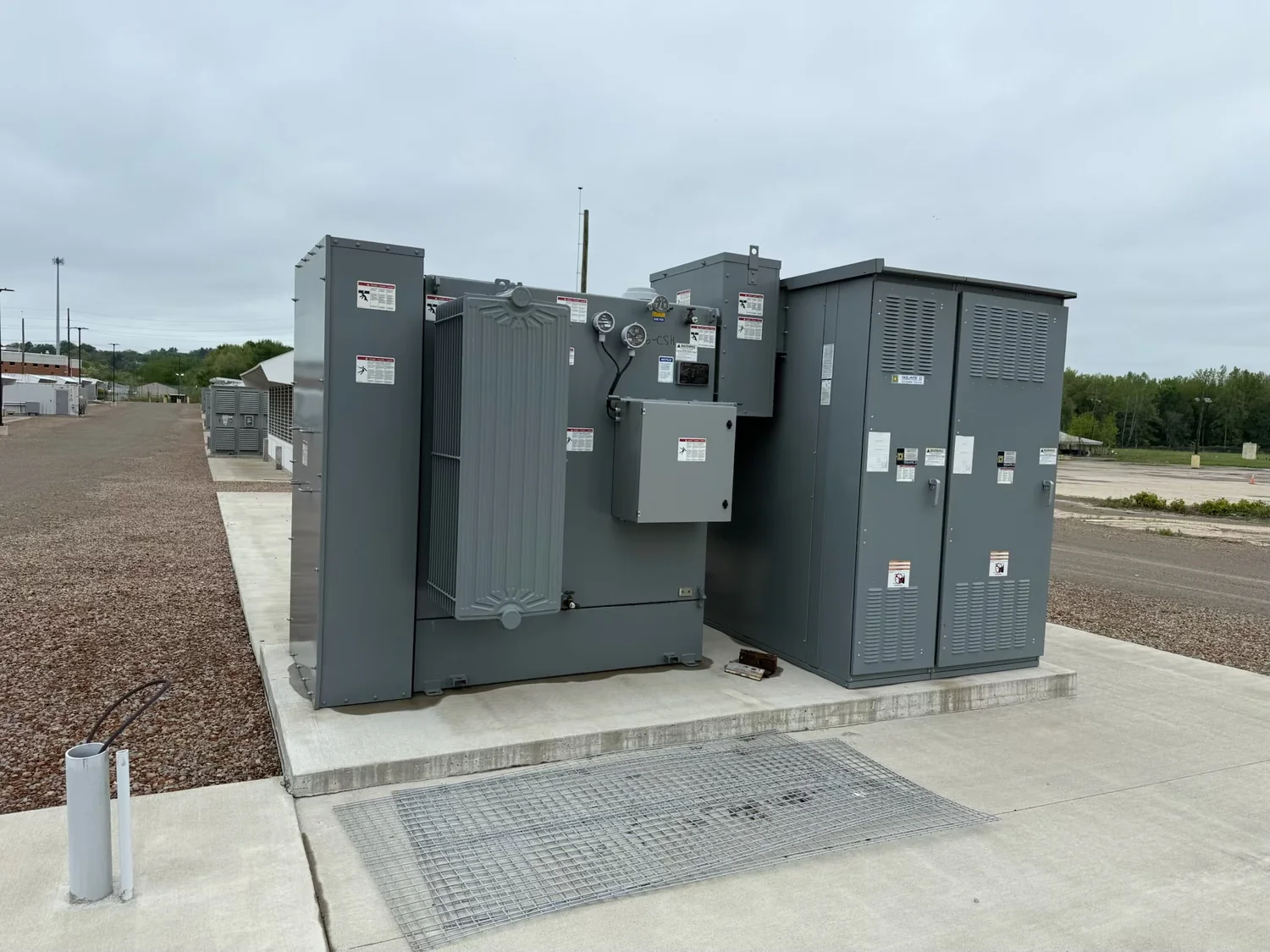
Switchgear hauling coordination in the Washington, DC region
Switchgear removal is more than arranging a truck. A workable plan accounts for the equipment, the building, the route from lineup to loading area, the site’s operating requirements, and the timing of each party’s work. For sellers in Washington, DC, Northern Virginia, and Maryland, access and scheduling can vary considerably from one facility to another, so the scope should be based on information about the actual site rather than assumptions about the region.
We buy switchgear and can make a cash offer after reviewing the equipment and project details. If you accept the offer, payment is arranged upfront. The buyer handles crane, rigging, loading, freight, and hauling, subject to agreed project arrangements and site access. Responsibilities, timing, and removal scope should be confirmed before removal begins. We buy only; this is not a switchgear sales or installation service.
Start with equipment identification and clear photos
Before a hauling plan or offer can be considered, send clear photos of the switchgear lineup and its nameplates. Capture the overall front and rear where accessible, lineup sections, identification labels, and any visible accessories or disconnected components. Nameplate information can help identify the equipment and ratings; readable, in-focus images are more useful than a large set of distant or blurry photographs. Do not open energized equipment or enter restricted areas to take pictures. Follow site rules and have qualified personnel determine what can be photographed safely.
Include the lineup’s overall dimensions, approximate weight if known, section count, and any available drawings or inventory. Note whether the equipment appears complete, whether breakers or other components are included, and whether parts have already been removed. We consider all voltage classes, but equipment-specific details still matter for review and planning. No seller testing is required. Do not perform tests, remove covers, or manipulate components for the purpose of preparing a sale unless the site’s qualified personnel authorize the work under applicable procedures.
Confirm ownership, authority, and site access
A seller should confirm it owns the equipment or has authority to sell and release it. If the switchgear belongs to a property owner, tenant, contractor, lender, or another party, clarify who can approve the sale and authorize removal. Identify any known restrictions on release, access, or timing early; these details can affect whether a proposed arrangement is practical.
Describe where the lineup is located and the expected path from its current position to the loading point. Useful details include floor or level, door and corridor clearances, stairs or elevators, turns, thresholds, overhead obstructions, dock availability, exterior access, and any limits on vehicle or crane placement. Share measurements or site plans when available, and flag conditions that could constrain rigging or movement. These are planning questions, not assumptions about any particular DC-area facility. The buyer’s ability to arrange hauling remains subject to the actual access and project conditions.
Coordinate disconnects, removal, and scheduling
Any de-energization, isolation, and disconnect work must be performed by qualified personnel under the site’s safety and outage procedures. Do not ask unqualified staff or a hauling crew to disconnect electrical equipment. Coordinate the required work with the facility’s responsible personnel, including the approved outage window, access permissions, work-area controls, and readiness for removal. The buyer can coordinate crane, rigging, loading, freight, and hauling arrangements, but the specific division of responsibilities and sequence must be agreed for the project.
Allow time to align the seller, qualified electrical personnel, facility contacts, and removal logistics. Before setting a date, confirm when the equipment will be released, what must be completed before the removal crew arrives, which areas and routes will be available, and whether site-specific scheduling or access rules apply. A change in outage timing, route availability, or equipment condition may require the parties to revisit the plan. No removal date or method should be treated as confirmed until the relevant scope and site arrangements are settled.
Agree on scope, costs, and payment before removal
The buyer pays the crane, rigging, loading, freight, and hauling costs, with the arrangements confirmed before removal. That does not eliminate the need to define the work: agree what equipment and included components are part of the transaction, what is excluded, who will make the equipment available, and what conditions must be met for access and removal. Disclose known missing sections, loose parts, damage, or prior dismantling so the review reflects the equipment that will actually be released.
An offer depends on reviewing the available identification, photos, dimensions, completeness, ownership, access, and removal constraints. A final price cannot be responsibly stated from the page description alone, and review is not a guarantee that a particular removal plan will work at every site. If an offer is accepted, payment is arranged upfront; confirm the payment and removal terms before work is scheduled. A concise package of clear photos, readable nameplates, lineup dimensions, ownership confirmation, access information, and scheduling constraints gives the parties a sound basis to discuss scope and next steps.