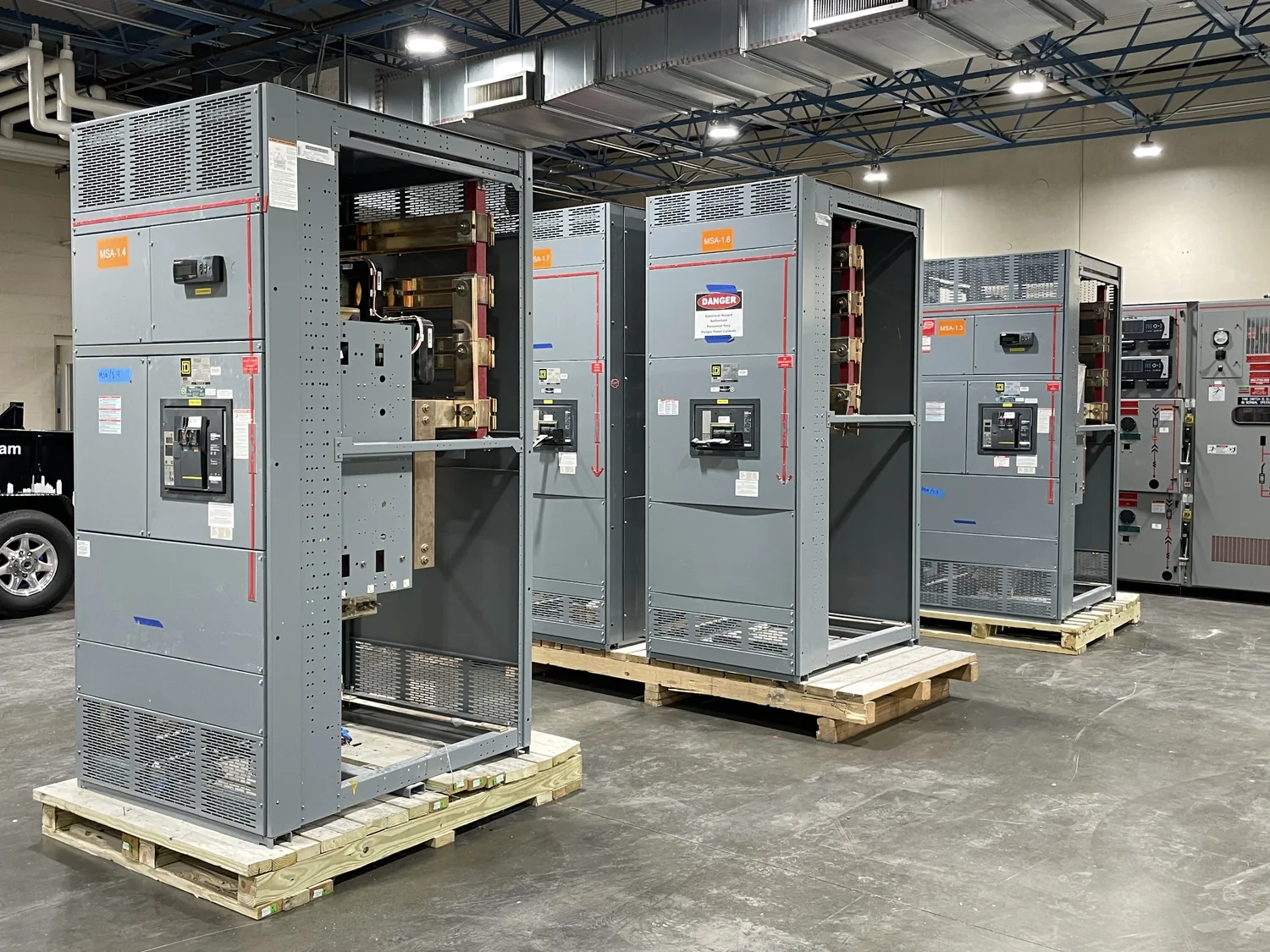
Review the switchgear model before planning a sale
A switchgear model and nameplate review is a practical first step when a business is considering the disposition of equipment in Washington, DC, Northern Virginia, or Maryland. It helps establish what is present before anyone discusses removal scope, timing, or an offer. This is a buying service: the business evaluates switchgear for purchase and does not sell equipment.
A model number can help identify a unit or lineup, but a model reference alone may not describe the asset’s condition, configuration, completeness, or removal requirements. Nameplate information, clear photographs, dimensions, and site details give the buyer a more useful basis for review. Consideration is not limited to a particular voltage class; all voltage classes may be submitted for review.
No seller testing is required. Do not open, operate, disconnect, or otherwise handle energized equipment to gather information. Where a label or component cannot be photographed safely, note that limitation and arrange any further inspection through the site’s qualified personnel and safety procedures. An initial review is not a final price or a guarantee that equipment will be purchased; any offer depends on review of the available information and project circumstances.
What to send for an initial assessment
Start with readable photos of each accessible nameplate and the overall switchgear lineup. Include additional views of sections, compartments, visible labels, and any included components when they can be photographed without opening equipment or entering a restricted area. If text is difficult to read, a close, well-lit image may help; do not remove covers or put yourself at risk to improve a photograph.
Share the manufacturer and model information exactly as shown, along with any serial, catalog, or other identifying numbers that are visible. Include the stated ratings and voltage information from the nameplate, without relying on memory or inferring specifications. If labels are missing, damaged, obscured, or inconsistent, say so. The buyer can review the information provided and ask follow-up questions rather than treating an uncertain detail as confirmed.
Provide approximate lineup dimensions, including overall length, height, and depth if available, and note whether the equipment is a single section or a multi-section lineup. Mention whether the switchgear appears complete, what associated parts or accessories are included, and whether anything is known to be missing or separated. These details help frame the asset for review, but do not substitute for a site-specific removal plan.
Ownership, access, and removal constraints
Confirm who owns the equipment and who is authorized to discuss its sale. If the switchgear is part of a larger facility disposition, leased property, or a project involving multiple parties, identify the person who can verify ownership and approve removal. Clear authority matters before an offer is accepted or work is scheduled; a photograph or model number does not establish ownership.
Describe the site and practical access conditions without assuming a particular building layout. Useful details may include the equipment’s level or location, the route from the lineup to a loading area, door and corridor clearances, loading-area availability, and any known restrictions on vehicle or equipment access. Share approximate route or opening dimensions when available, and flag stairs, tight turns, limited staging space, restricted delivery windows, or other constraints that could affect removal.
Washington, DC, Northern Virginia, and Maryland projects can have different access rules, building schedules, outage windows, and coordination requirements. The seller should provide the known site requirements and preferred timing early so responsibilities and scheduling can be discussed for that project. No particular facility conditions or access arrangements should be assumed in advance.
Coordinate disconnection and removal safely
Any de-energization, isolation, and disconnect work must be performed by qualified personnel under the site’s safety procedures and outage plan. The seller should not disconnect or handle electrical equipment unless qualified and authorized to do so. Coordinate the required work, access, timing, and any site approvals with the people responsible for facility operations before removal is scheduled.
The buyer handles the crane, rigging, disconnects, loading, freight, and hauling, subject to project arrangements and site access. Confirm responsibilities and the workable removal sequence before work begins, including how the buyer’s team will coordinate with qualified personnel and the facility. Site access, equipment position, and scheduling can affect what is practical, so these arrangements should be established for the specific project rather than assumed from an initial inquiry.
For a multi-section lineup or equipment with restricted access, accurate dimensions and photographs can help identify questions to resolve before a removal date is set. The review should account for the route out, available staging and loading space, and any timing constraints. The information-gathering process is not a substitute for the site’s safety controls, qualified technical work, or a coordinated removal plan.
Offers, payment, and next steps
Once the buyer has reviewed the nameplate details, photographs, lineup dimensions, completeness, ownership, access, and known removal constraints, it can determine whether to make an offer. The offer is subject to that review; there is no guaranteed purchase or final price based on a model number alone. If an offer is accepted, payment is arranged upfront. The buyer pays the crane, rigging, loading, freight, and hauling costs, with the project responsibilities and arrangements confirmed before removal.
To begin, send the information available and identify what remains unknown. Include a contact who can answer equipment and ownership questions, along with the site contact responsible for access and scheduling. If some details require an on-site review or additional coordination, that can be discussed before scope is set. This gives both parties a clearer basis for evaluating the switchgear and planning a safe, workable disposition in the Washington, DC region.