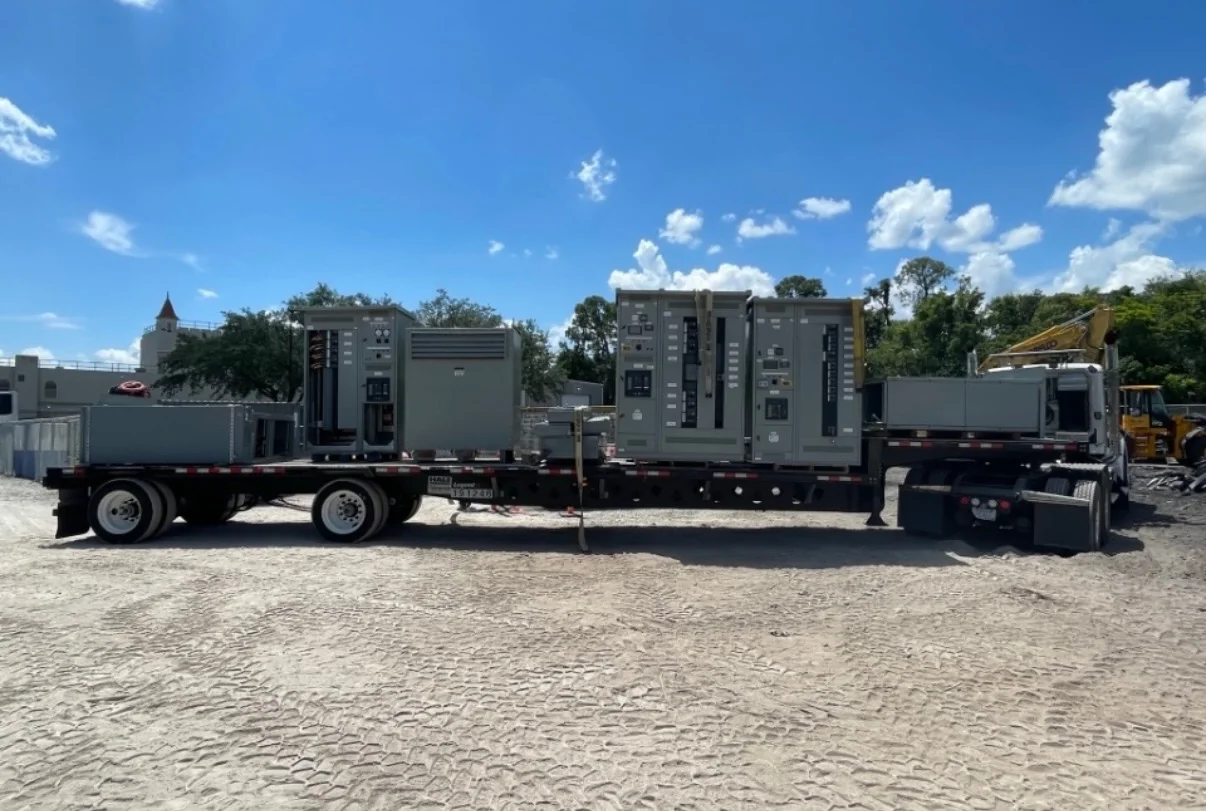
Plan the sale around the outage—not the other way around
If you are preparing to retire, replace, or clear switchgear in the Washington, DC region, begin the sale conversation early enough to keep equipment disposition separate from the electrical work plan. Outage dates, site operating needs, contractor availability, access windows, and removal sequencing can all affect when equipment can be released. A buyer can assess the opportunity and coordinate removal, but should not set or override your facility’s outage schedule or safety procedures.
This guide is for sellers in Washington, DC, Northern Virginia, and Maryland who want to understand how switchgear removal and payment can fit into a planned outage. The buyer buys equipment only; it does not sell replacement gear. It considers all voltage classes, and the seller is not required to test the equipment. A cash offer and upfront payment can be arranged when an offer is accepted, with the commercial terms and removal responsibilities confirmed before work begins. The final offer depends on reviewing the equipment and project details; it cannot be determined from a general description alone.
Build the equipment record before setting scope
Start with clear, readable photos of each lineup and its accessible nameplates. Include overview images that show how sections are arranged, plus closer views of identification and rating information. Nameplates may help identify the equipment and its stated ratings; photos can reveal visible condition, configuration, missing covers, and whether the lineup appears complete. Do not remove covers or enter restricted areas to obtain images. Follow site rules and have only authorized personnel access the equipment.
Provide the lineup dimensions, including approximate overall length, height, and depth if known, and note any sections or accessories that are included or excluded. A simple section-by-section description is useful when the lineup has multiple connected cabinets or when only part of an installation is being sold. Mention whether items such as breakers, bus components, or other associated pieces are present, but do not assume that a list alone establishes condition or value. The buyer will review what is actually included before scope and offer are finalized.
Also clarify ownership and authority to sell. If the equipment belongs to a property owner, tenant, contractor, or another organization, identify who can approve the sale and who can authorize access and removal. Share the facility location, site contact, expected outage or release window, and any known restrictions on scheduling. These details help the buyer understand the opportunity without assuming facts about the facility or its operating requirements.
Coordinate qualified electrical work and site access
Switchgear must not be disconnected or handled by unqualified personnel. De-energization, isolation, verification, and disconnect work must be performed by qualified personnel under the facility’s safety rules and outage procedures. Coordinate that work with the people responsible for the electrical system and the site’s designated safety process. The buyer does not replace the facility’s electrical contractor, determine that equipment is safe to work on, or authorize an outage.
Agree on the project sequence before removal is scheduled. Confirm when the equipment will be released, what work must be completed before the buyer’s crew arrives, who will control access, and which areas or routes are available. The buyer handles crane, rigging, disconnects, loading, freight, and hauling, subject to project arrangements and site access. Because disconnect responsibilities and sequencing must fit the site’s qualified-work plan, confirm the exact scope and the division of responsibilities with the buyer and the facility team before removal. Do not assume that a scheduled outage automatically means the gear is ready for pickup.
In the DC region, practical access details can be especially important to coordinate rather than assume. Tell the buyer about known entry procedures, delivery or loading windows, interior travel paths, door or ceiling limitations, parking or staging constraints, and any restrictions on truck or crane access. Share only confirmed site information. The buyer can then discuss whether the proposed equipment, crew, and removal approach appear workable for the agreed window.
Check removal constraints before committing to a date
The physical route out of the building can be as important as the equipment itself. Note whether the lineup is on a lower level, behind controlled doors, near operating areas, or subject to limited access hours. If available, provide measurements for doorways, corridors, elevators, loading areas, and other pinch points along the planned route. Flag stairs, tight turns, overhead obstructions, floor-loading concerns, or other known barriers. These are planning inputs, not a substitute for a site-specific assessment.
Crane and rigging needs depend on the equipment, its position, the route, and what access the property allows. Confirm whether exterior lifting or staging may be considered, what areas can be used, and whether the site has timing or coordination requirements. The buyer pays the crane, rigging, loading, freight, and hauling costs, with responsibilities confirmed before removal; arrangements remain subject to project scope and actual site access. If conditions change—such as the release date, route, included equipment, or access window—raise the change before the crew is dispatched so the parties can review timing and scope.
Avoid promising an outage date on the assumption that the removal plan is already settled. First align the facility’s qualified electrical personnel, the buyer, and any other site contacts on the release sequence, access, and responsibilities. A realistic schedule leaves room to review the equipment details and resolve logistical questions before the planned removal window.
Review the offer and confirm payment and responsibilities
Once the buyer has reviewed photos, nameplates, dimensions, completeness, ownership, and access information, it can discuss an offer and proposed scope. The review may need to account for what equipment is included, visible condition, removal constraints, timing, and whether the stated information matches what is present at the site. No testing is required from the seller, and all voltage classes are considered. An offer is not final until the buyer has reviewed the relevant details and the parties agree on what is being sold and removed.
When an offer is accepted, payment is arranged upfront. Before removal, confirm the accepted amount, payment timing, the exact equipment covered, the planned access window, and the division of work. The buyer pays for crane, rigging, loading, freight, and hauling, subject to the project arrangements and site access. Confirm how disconnect work will be coordinated with qualified personnel and the facility’s procedures; do not leave that responsibility implicit.
A concise handoff makes outage scheduling more predictable: provide clear equipment photos and nameplates, lineup dimensions, ownership and authorization details, the proposed release window, and confirmed access and removal constraints. Then coordinate the equipment release with the site team and the buyer before committing to a removal date. This process helps establish a workable scope without guessing at facility conditions, promising a particular price, or compromising the site’s safety and outage requirements.