Switchgear Ownership Documentation: A Practical Seller Guide
If your organization is considering selling switchgear in Washington, DC, Northern Virginia, or Maryland, establish who owns the equipment and who has authority to transfer it before planning removal. Switchgear may be recorded as a facility asset, included in a larger property or equipment transaction, or subject to an internal disposal process. Clear documentation helps the parties assess whether the equipment can be offered for sale and who is authorized to approve the transaction.
This guide is for organizations preparing to sell equipment—not for buyers seeking new or used switchgear. The purchasing business described here buys switchgear and can make a cash offer after reviewing the equipment and project details. If an offer is accepted, payment is arranged upfront. The buyer handles crane, rigging, disconnects, loading, freight, and hauling, subject to the agreed project arrangements and actual site access. No testing is required from the seller. All voltage classes are considered; the equipment’s specific ratings still matter for review and disposition.
Confirm Ownership and Authority to Sell
Start by identifying the legal owner of the equipment and the person or organization permitted to authorize its sale. Useful records may include an asset register, purchase documentation, a bill of sale, a property or equipment schedule, or an internal approval or surplus-disposition record. The exact documents needed depend on the ownership arrangement and the seller’s own procedures; sending a document does not itself establish that a sale is authorized.
If equipment is leased, financed, held for another party, or included in a contract or property transaction, clarify whether another party’s consent is required before offering it for sale. Where ownership has changed, make the chain of authority understandable—for example, by identifying the current owner and the person empowered to sign or approve the sale. Share only records you are authorized to disclose, and redact sensitive information that is not needed for an initial review.
The buyer can review ownership and access information as part of considering an offer, but the seller remains responsible for confirming its authority to transfer the equipment. Do not assume that an old asset tag, a nameplate, physical possession, or a facility’s decision to retire equipment is sufficient proof of transferable ownership. If the records are incomplete or conflicting, resolve that internally before committing to a sale or removal date.
Prepare Equipment Information for Review
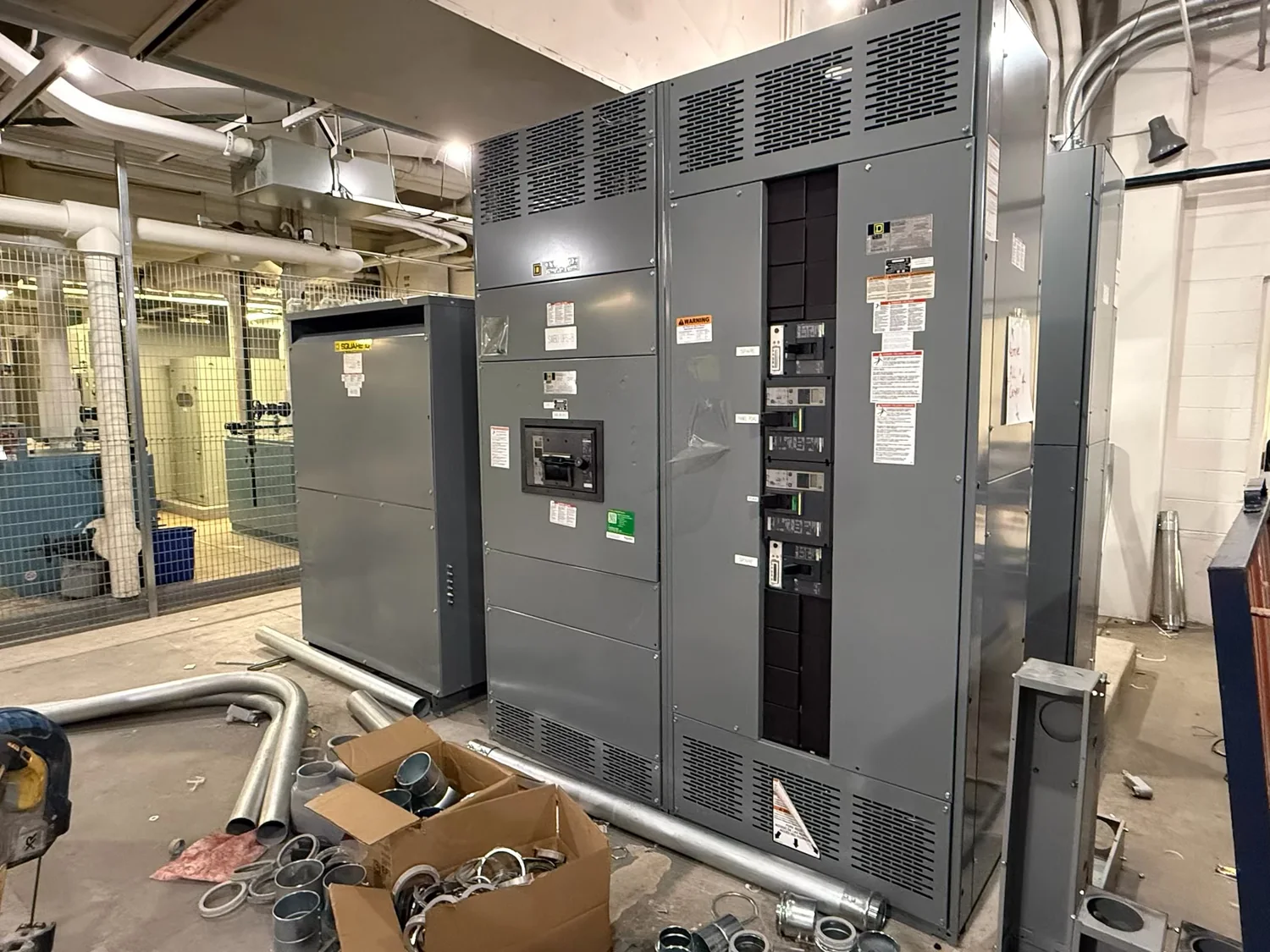
Provide clear, well-lit photographs that show the switchgear lineup as a whole, its visible sections, doors, and surrounding area. Close-up images of readable nameplates and other identifying labels can help the buyer understand what is being offered. If a nameplate is difficult to access or unreadable, say so rather than guessing at its contents. Photos are an initial information tool, not a substitute for qualified electrical work or a guarantee of condition.
Include the lineup’s approximate overall dimensions—height, width, and depth—and explain how those measurements were obtained. Note whether the equipment is one lineup or multiple sections, whether components appear to be included or missing, and whether accessories, documentation, or related equipment are part of the proposed sale. Describe completeness as accurately as you can; do not represent unknown internal condition as verified. Seller testing is not required for an offer review.
Share any available nameplate information, such as the manufacturer and ratings shown, without inferring specifications that are not legible or confirmed. The buyer considers all voltage classes, but the equipment’s actual identification and ratings help determine whether it is a fit for review. Also note visible damage, alterations, incomplete sections, or known restrictions on what can be transferred. Final scope and any offer remain subject to review of the specific equipment and transaction details.
Document Access, Disconnection, and Removal Conditions
Ownership records are only one part of planning a sale. Explain where the switchgear is located within the facility, how the removal route reaches an exterior loading point, and whether doors, corridors, elevators, stairs, floor conditions, or other site features may constrain equipment movement. Share approximate route clearances and any known limits on vehicle or crane access. In the DC region, access and scheduling can vary by site, so provide the information relevant to your actual property rather than assuming a particular loading arrangement.
Identify the facility contact who can coordinate access, site rules, and timing. Explain any required notice, work windows, outage coordination, security procedures, or building-management approvals that may affect removal. The buyer handles crane, rigging, disconnects, loading, freight, and hauling, but the scope must be coordinated with the seller and site conditions. Responsibilities, access arrangements, removal sequence, and timing should be confirmed before work is scheduled.
Do not disconnect, open, move, or handle electrical equipment unless you are qualified and authorized to do so. De-energization, isolation, and disconnect work must be performed by qualified personnel under the site’s safety and outage procedures. Coordinate the work window and required site access for the project; never treat a proposed purchase or removal schedule as permission to bypass facility controls. The buyer’s responsibility for disconnects does not authorize unqualified personnel to perform electrical work.
Request an Offer and Confirm the Transaction
To begin a review, send the best available equipment photos, readable nameplate images, approximate lineup dimensions, an accurate description of completeness, and a concise account of ownership and authority to sell. Add the site location within the Washington, DC, Northern Virginia, or Maryland service area, the access and removal constraints, and the contact responsible for coordinating the project. If a detail is not known, label it as unknown so the review can proceed without treating an estimate as fact.
A cash offer may be made after the equipment and relevant project details are reviewed; a final price cannot be established from a general description alone. If the offer is accepted, payment is arranged upfront. Before removal, confirm the equipment included in the sale, ownership authorization, payment arrangements, site access, qualified disconnection plan, and the buyer’s responsibility for crane, rigging, loading, freight, and hauling. These arrangements remain subject to project scope and site access.
Clear documentation helps avoid preventable delays, but it does not guarantee an offer or a particular removal date. Keep the records, photos, and access details consistent, and promptly flag changes to the equipment, scope, ownership status, or site conditions. With those basics established, the parties can assess the switchgear and coordinate a practical next step without asking the seller to perform testing or unauthorized electrical work.