Build a useful switchgear photo inventory before requesting an offer
If you are preparing to sell surplus switchgear in Washington, DC, Northern Virginia, or Maryland, a clear photo inventory can help a buyer understand what is available and what a removal project may involve. The goal is not to create a formal engineering package. It is to provide enough accurate visual and written information for an initial review, while leaving equipment assessment and removal planning to the appropriate parties.
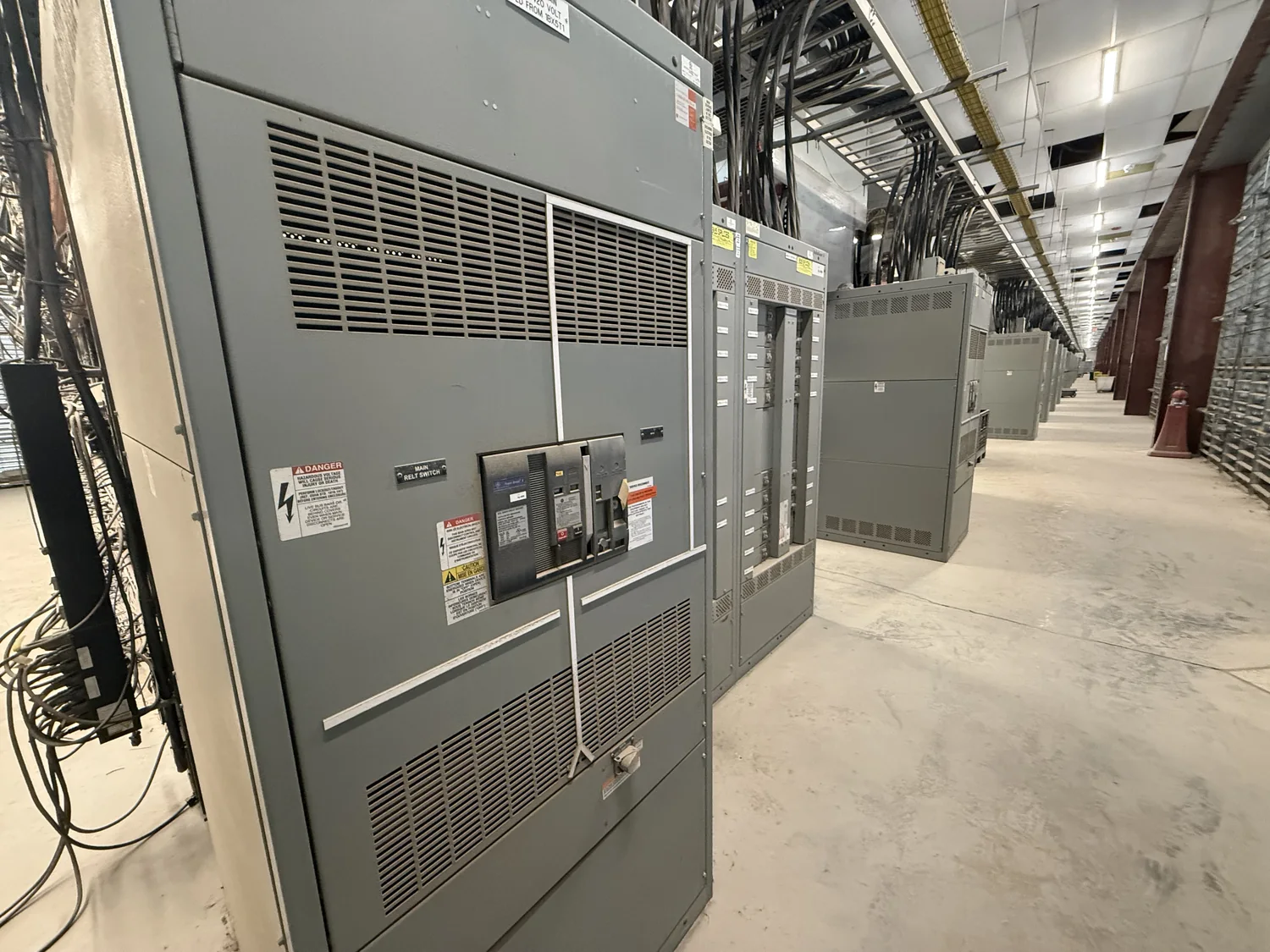
Start with a general view of each lineup and its surroundings, then add close-ups of nameplates, visible ratings, section labels, and notable accessories or missing parts. Include more than one angle when cabinets, rear compartments, cable spaces, or barriers are relevant and can be photographed safely. Do not open energized equipment or enter restricted areas to obtain pictures. Arrange photography with the site’s responsible personnel and follow its access and safety procedures.
A photo inventory supports a preliminary review; it does not establish a final price or confirm that equipment can be removed as pictured. The buyer reviews the information and coordinates project details before an offer and scope are settled. The business buys switchgear only; it does not sell equipment. It considers all voltage classes, but the specific equipment, completeness, condition, ownership, and removal circumstances still matter.
Photograph nameplates, ratings, and visible completeness
Take readable, straight-on photos of each available nameplate, including any equipment identification and rating information that is legible. A close-up is often more useful than a wide shot in which the plate appears as a small blur. If a nameplate is obscured, damaged, or inaccessible, note that rather than removing covers or attempting to expose it. Do not guess at unreadable values; record them as unknown or send a sharper image if one can be obtained safely.
Photograph the lineup as a whole and each section or cabinet separately. Show visible labels, breakers or other components, doors, bus or compartment areas where safely visible, and any signs that sections are incomplete or have been altered. If parts have already been removed, identify what is absent and, where practical, photograph the loose components separately. The buyer may need to distinguish a complete lineup from cabinets offered without particular internal components, but a photograph alone may not settle that question.
Use consistent file names or a short inventory list to connect images to the equipment. For example, label photos by building or room identifier, lineup, and section number, using the site’s preferred naming conventions. Avoid sharing access codes, security-sensitive details, or unrelated facility information. If the equipment is at more than one site, identify the general location for each group so the review and scheduling discussion do not mix separate inventories.
Record dimensions and site conditions that affect removal
Measure the lineup’s approximate overall length, height, and depth, and record how many sections it contains if that information is available. Note whether dimensions include protruding handles, external enclosures, or attached components. Photos that include a tape measure can help illustrate an estimate, but provide written measurements as well and identify them as approximate when they have not been verified. Exact dimensions may need to be confirmed during project planning.
Describe the route from the equipment to the loading point: relevant door or corridor widths, ceiling or overhead constraints, turns, stairs, ramps, floor transitions, elevators, and distance to a practical staging or vehicle area. Mention known restrictions on truck access, loading hours, parking, dock use, escorts, security check-in, or work windows. Do not assume a large lineup can pass through a route simply because a cabinet appears narrow in a photograph; dimensions, configuration, handling method, and site conditions all require review.
Washington, DC, Northern Virginia, and Maryland facilities may have different access rules and scheduling requirements from one another, and even buildings in the same area can impose distinct procedures. Share only confirmed site requirements and identify details still under review. Timing should be coordinated with the facility’s designated contacts, including any required outage window, building coordination, or limits on work hours. No location-specific access or schedule should be presumed before the project is discussed.
Confirm ownership, access authority, and safe work boundaries
Before requesting an offer, identify the legal owner of the equipment and the person authorized to approve its sale and removal. If the switchgear is held by a tenant, contractor, property manager, lender, or other party, clarify who can authorize disposition and who controls access to the site. The buyer may request reasonable documentation or confirmation of authority as part of its review. Do not represent that equipment is available for sale if ownership or approval is unresolved.
The inventory should also state whether the equipment is installed, disconnected, staged, or already removed, and who is responsible for site coordination. De-energization, isolation, and disconnect work must be performed by qualified personnel under the site’s safety and outage procedures. Do not ask unqualified staff to disconnect, open, move, or handle electrical equipment for the sake of preparing a sale. Coordinate access, timing, and work boundaries with the facility’s responsible personnel before removal planning proceeds.
The buyer handles crane, rigging, disconnects, loading, freight, and hauling, subject to project arrangements and site access. Responsibilities and sequence must be confirmed before removal, including how the equipment will be made available to the buyer’s crew and what site approvals or scheduling steps apply. The statement that the buyer handles these logistics does not authorize work outside the site’s procedures or eliminate the need to coordinate qualified personnel, access, and timing.
Send the inventory for review and agree on the project scope
A practical submission can include the photo set, an equipment list, approximate lineup dimensions, known ratings, a short completeness note, ownership or authorization status, site location, access conditions, and any removal constraints already identified. Add a contact who can answer follow-up questions and coordinate a site review if one is needed. Testing is not required by the seller. If available, existing records may help explain the equipment, but do not arrange testing or alter the installation solely to produce an inventory unless the site’s responsible parties direct that work.
After reviewing the information, the buyer may ask for clearer images, confirmation of measurements, additional details, or a discussion of access and removal conditions. An offer depends on review of the specific equipment and project information; the inventory alone does not guarantee acceptance, a particular value, or a removal date. Avoid relying on a final price before the buyer has reviewed the available facts and the scope has been discussed.
The buyer can make a cash offer, and payment is arranged upfront when an offer is accepted. Before removal, confirm the accepted offer, payment arrangement, equipment included, project responsibilities, site access, and scheduling. The buyer pays crane, rigging, loading, freight, and hauling costs, with responsibilities confirmed before removal. Clear photos and candid notes about unknowns help both sides discuss a workable plan without asking anyone to compromise site safety or assume conditions that have not been verified.