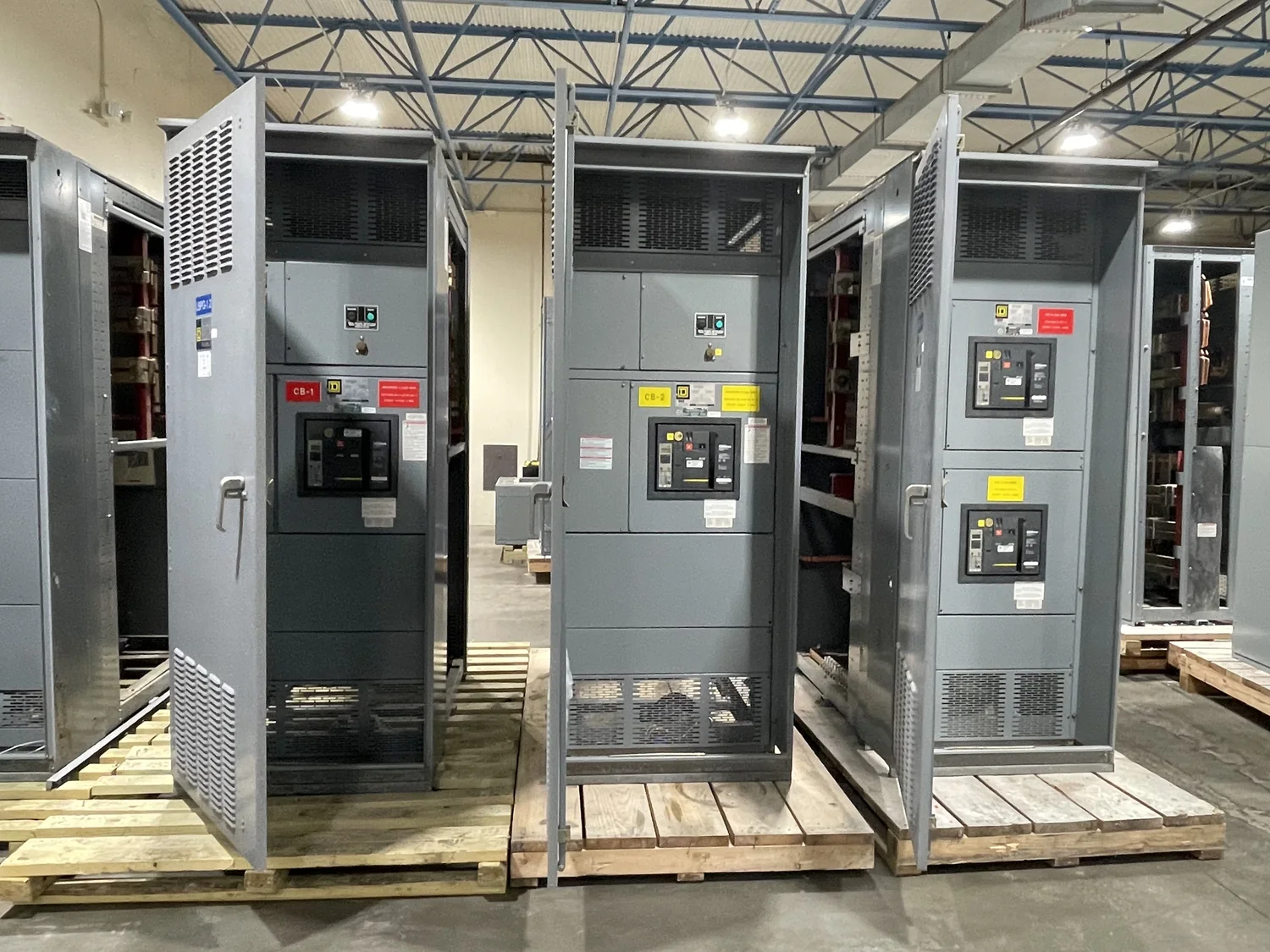
Substation changeout switchgear purchase in the DC region
A substation changeout can leave a seller with switchgear that is no longer needed but still requires careful disposition. If your project is in Washington, DC, Northern Virginia, or Maryland, you can submit the equipment for review by a buyer that purchases switchgear; the business buys equipment and does not sell it. The goal is to establish what is available, whether it can be accessed and removed as planned, and what project arrangements are needed before work is scheduled.
A changeout does not by itself establish the equipment’s condition, completeness, ownership, or market value. Those details need to be reviewed for the specific asset. The buyer can make a cash offer after reviewing the information provided, but no final price should be assumed before that review. If you accept an offer, payment is arranged upfront. The seller is not required to test the equipment as a condition of submitting it for consideration. All voltage classes are considered; share the actual nameplate information rather than assuming a voltage class determines interest.
Prepare the equipment details before setting scope
Start with clear, readable photos of the switchgear and its nameplates. Useful images show the overall lineup, individual sections, labels, visible accessories, and any obvious damage or missing components. Include the nameplate data that is available, such as manufacturer, model or type designation, ratings, and serial or other identifying information. Do not infer or fill in specifications that are absent from the labels; note what cannot be read or has not been confirmed.
Provide the lineup’s overall dimensions and, where possible, the dimensions and approximate weight of individual sections. Explain whether the equipment is a complete lineup or a partial group, and identify any breakers, control components, bus sections, enclosures, or other parts included or excluded. Completeness matters because a changeout may involve equipment at different stages of removal or disassembly. A simple inventory, even if preliminary, helps distinguish what is included in the proposed purchase from items that remain with the facility.
Also identify the equipment’s ownership and who is authorized to approve its disposition. If a contractor, owner, utility, or other party is coordinating the changeout, clarify who can confirm ownership, authorize removal, and arrange site access. Photos and descriptions help begin the review; they do not replace a site-specific scope or guarantee an offer.
Coordinate outages, access, and safe disconnection
Substation work is governed by site conditions, safety procedures, and outage timing. Any de-energization, isolation, and disconnect work must be performed by qualified personnel under the facility’s procedures. Do not ask unqualified staff to disconnect, dismantle, or handle electrical equipment. Coordinate the work with the site’s responsible electrical and safety personnel, including the permitted work window, required clearances, access controls, and any sequencing constraints tied to the changeout.
Before removal is planned, describe how the lineup can be reached and moved. Relevant details may include the route from the equipment location to the loading area, door or gate clearances, floor or ground conditions, overhead obstructions, restricted work areas, and whether equipment must pass through occupied or controlled spaces. Note any limits on vehicle access, staging, working hours, escorts, or coordination with other contractors. These are project questions, not assumptions about a particular DC-area facility; conditions should be confirmed for the actual site.
Timing can be especially important when removal must fit around a scheduled outage or a replacement installation. Share target dates and any dependencies, but treat them as planning information until responsibilities, site access, and removal arrangements are confirmed. A proposed purchase should not be treated as authorization to begin work or as a substitute for the facility’s outage and safety approvals.
Confirm removal responsibilities and costs
The buyer handles the crane, rigging, loading, freight, and hauling, subject to project arrangements and site access. These responsibilities and the planned scope should be confirmed before removal. Provide any known lifting or handling restrictions, designated pick points, equipment weights, access limitations, and requirements for coordinating with the site. If a rigging plan or lift review is required by the facility, identify that requirement early so the project team can determine the appropriate arrangements.
Disconnect work is also a key scope boundary. Qualified personnel must perform de-energization, isolation, and disconnection under the site’s safety and outage procedures. The parties should coordinate when that work will occur and how the equipment will be made available for the buyer’s removal activities. Do not assume that a buyer’s hauling responsibilities mean the buyer performs the facility’s electrical work; confirm who is responsible for each task before scheduling.
Clarify what will be removed, what will remain, and whether any components or materials are excluded. Confirm how the equipment will be released to the buyer, the access window, loading sequence, and any site-specific rules that affect crane or vehicle placement. If access, ownership, completeness, or removal conditions change, the scope may need to be reviewed again. These details help avoid mismatched expectations without promising that every asset can be removed under every site condition.
Request a review and plan the next steps
To begin, provide the equipment location within the Washington, DC, Northern Virginia, or Maryland service area, clear photos, readable nameplates, lineup dimensions, an inventory of included sections and components, and any available weight or handling information. Add the ownership and authorization contact, access details, removal constraints, and the project’s expected outage or changeout schedule. You can also flag information that is unknown so it can be addressed during review rather than guessed at.
The buyer reviews the submission and may make a cash offer based on the equipment and project information. The offer is not final until the equipment and proposed scope have been reviewed; a description or photograph alone is not a price commitment. No seller testing is required. If the offer is accepted, payment is arranged upfront, while crane, rigging, loading, freight, hauling, timing, and site responsibilities are confirmed for the specific removal.
A complete, organized submission makes it easier to determine whether the switchgear can be considered and what logistics need to be resolved. Keep the facility’s qualified electrical personnel and site coordinators involved in all disconnection and access planning. With ownership, equipment details, safety procedures, and removal arrangements clarified before work begins, both sides can evaluate the changeout equipment on a practical project-specific basis.