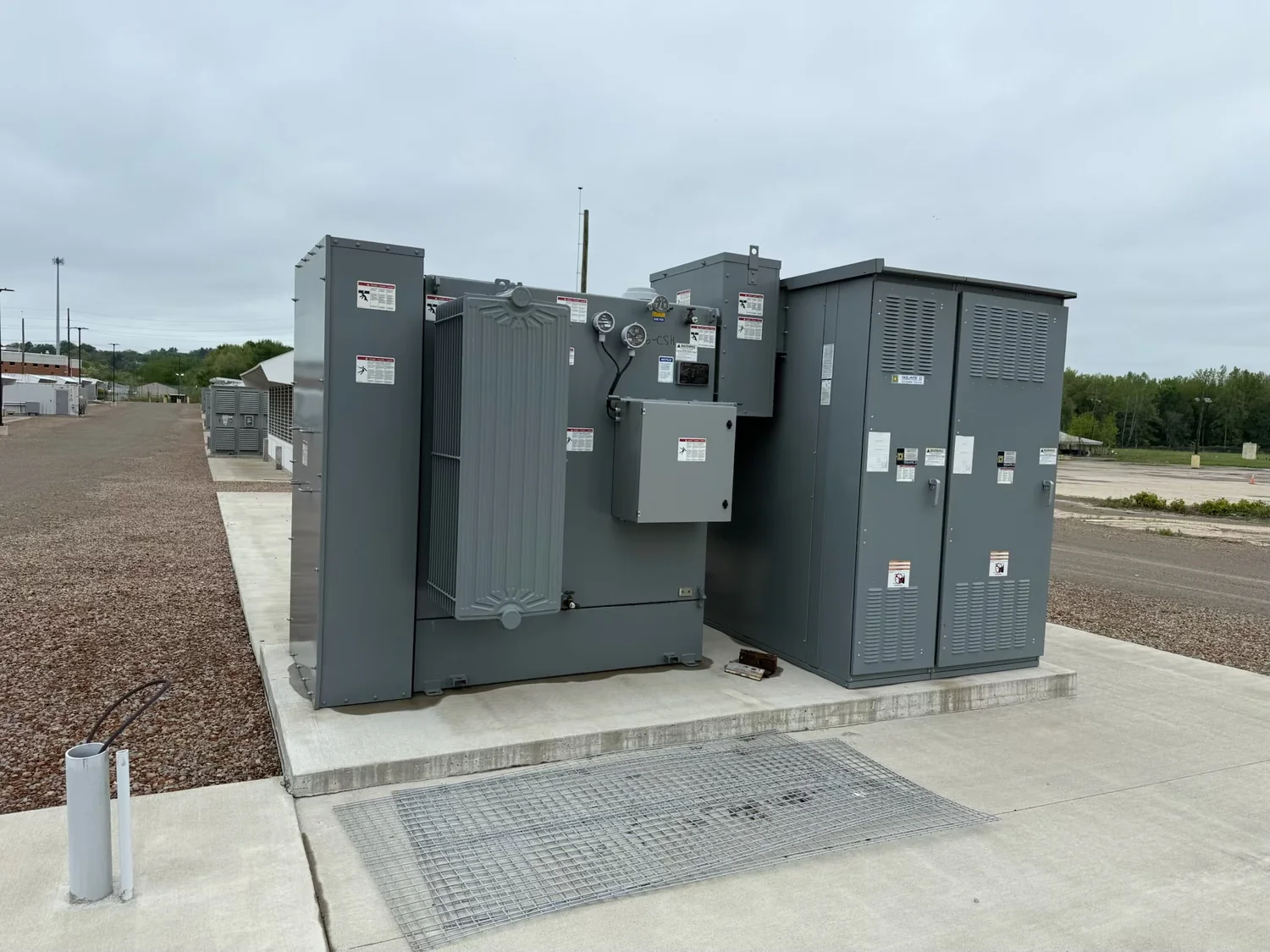
Switchgear Surplus Inventory Review in the Washington, DC Region
If your facility has surplus switchgear, a practical first step is to determine what is included, what information is available, and what site conditions could affect removal. This buyer reviews switchgear surplus inventory in Washington, DC, Northern Virginia, and Maryland. The business buys equipment only; it does not sell switchgear. A review can help establish whether the equipment is a fit for consideration and what details are needed to discuss an offer. No final price can be determined from a general description alone, and an offer depends on review of the specific equipment and project circumstances.
The Washington, DC region includes many different facility types and access conditions, so a location name by itself does not establish how a removal can be scheduled or performed. Share the equipment’s actual location, the site’s access requirements, and any known timing constraints. If the switchgear is in a controlled-access building, below grade, in a tight electrical room, or along a route with limited clearance, those details may shape the review and removal plan. Do not assume a particular crane, rigging method, or schedule until the equipment and site have been discussed.
Information to Gather Before Scope Is Set
Clear photographs are useful for an initial inventory review. When it is safe and permitted to do so, provide overall views of each lineup, individual sections, visible labels, and the surrounding space. Include readable nameplate images where available. Nameplates and equipment markings may help identify manufacturer, model or catalog information, ratings, and other distinguishing details; do not infer missing specifications from appearance. The buyer considers all voltage classes, but the actual equipment still needs to be reviewed rather than assumed to meet a particular specification.
Provide lineup dimensions and, if known, the number and arrangement of sections. Note approximate height, width, and depth, as well as whether the lineup is assembled, separated, or partly dismantled. Explain what is included with the switchgear—for example, sections, breakers, auxiliary components, or other associated items—and identify anything that is missing, damaged, modified, or not part of the proposed inventory. Completeness and condition can affect whether an inventory is considered and how removal should be scoped. A seller does not need to test the equipment for this review.
The review also needs basic ownership and access information. Confirm that you have authority to sell the equipment or can identify the person responsible for approving its disposition. Describe who controls the site, how access is arranged, whether visitors or contractors need advance coordination, and any restrictions on work hours, deliveries, elevators, loading areas, or staging. If you have an equipment list or prior records, those may help, but the seller should distinguish documented information from estimates. Clear, accurate details are more useful than unsupported assumptions.
Safety, Disconnects, and Removal Planning
Electrical equipment must not be treated as ready for removal simply because it is described as surplus. De-energization, isolation, and disconnect work must be performed by qualified personnel under the site’s safety procedures and outage requirements. The seller should not ask unqualified staff to open, disconnect, move, or otherwise handle switchgear. Coordinate the responsible qualified personnel, required approvals, outage windows, and access timing with the site before removal is scheduled. The buyer’s review does not replace the facility’s electrical-safety process or authorize work at the site.
The buyer handles crane, rigging, disconnects, loading, freight, and hauling, subject to the project arrangements and site access. Confirm responsibilities and the removal scope before work begins. In particular, discuss who will coordinate qualified disconnect work, what access the buyer’s team and equipment will have, and whether the proposed route allows the lineup or sections to be removed. The buyer’s logistical responsibilities do not eliminate the need for site coordination, safe work controls, or a workable removal plan.
Useful planning details include door and corridor clearances, ceiling height, turns, stairs or ramps, floor-loading limitations if known, elevator availability and capacity if relevant, loading-dock conditions, truck access, overhead obstructions, and any restrictions on crane placement or rigging points. Explain whether equipment must pass through occupied or controlled areas, whether temporary protection is needed, and whether removal must avoid particular operating periods. These are project-specific questions, not assumptions about any particular building in Washington, DC, Northern Virginia, or Maryland. Share known constraints early so the scope can be assessed before a date is proposed.
Offers, Payment, and Project Responsibilities
After reviewing the available equipment and logistics information, the buyer may make a cash offer. Any offer is subject to review of the actual inventory and the project details; a description or photograph alone is not a guaranteed valuation. If an offer is accepted, payment is arranged upfront. The seller is not required to test the switchgear as a condition of submitting it for consideration. Providing complete and accurate information can help reduce avoidable back-and-forth, but it does not guarantee that an offer will be made or establish a final price before review.
The buyer pays the costs for crane, rigging, loading, freight, and hauling, with responsibilities confirmed for the specific project before removal. Because access and removal conditions vary, clarify the included scope and any site coordination requirements before committing to a schedule. The parties should align on what equipment is included, how it will be accessed and removed, who will coordinate site approvals and qualified electrical work, and how the planned timing fits the facility’s procedures. Do not treat an initial discussion as confirmation that a particular removal method or date is feasible.
Request a Switchgear Inventory Review
To start a review, send clear overall and nameplate photos, lineup dimensions, an inventory of included and missing components, and any available equipment records. Add the equipment’s location within the Washington, DC service area, ownership or sale-authority information, access instructions, and known removal constraints. Include timing considerations such as required outage windows, site operating hours, or advance notice for access. If information is uncertain, label it as an estimate rather than presenting it as confirmed.
The buyer can use those details to consider the switchgear and discuss whether an offer and removal plan may be appropriate. The exact scope, payment arrangement, responsibilities, and schedule are confirmed through project-specific discussion. This gives facility owners, contractors, and other authorized sellers a straightforward way to present surplus inventory without testing it or assuming that every site has the same access or removal requirements.